
Games have been a part of human culture for thousands of years. From ancient board games to the latest virtual reality experiences, games entertain, challenge, and connect people in ways that few other activities can. They are more than just a pastime; they shape social interactions, spark creativity, and even influence technological innovation. In this blog, we will explore the evolution of games, the impact they have on individuals and society, and the future of gaming in an increasingly digital world.
The Origins of Games
The history of games dates back to ancient civilizations. Archaeologists have discovered board games such as Senet in Egypt and the Royal Game of Ur in Mesopotamia, which date back thousands of years. These early games were often connected to religion, strategy, or teaching important skills. In addition to board games, ancient cultures also played physical games, such as wrestling, racing, and ball games, to enhance physical strength and foster community bonding. These early forms of play show that games have always had both entertainment and educational value, helping people develop mental and physical skills while offering enjoyment.
The Evolution of Board Games
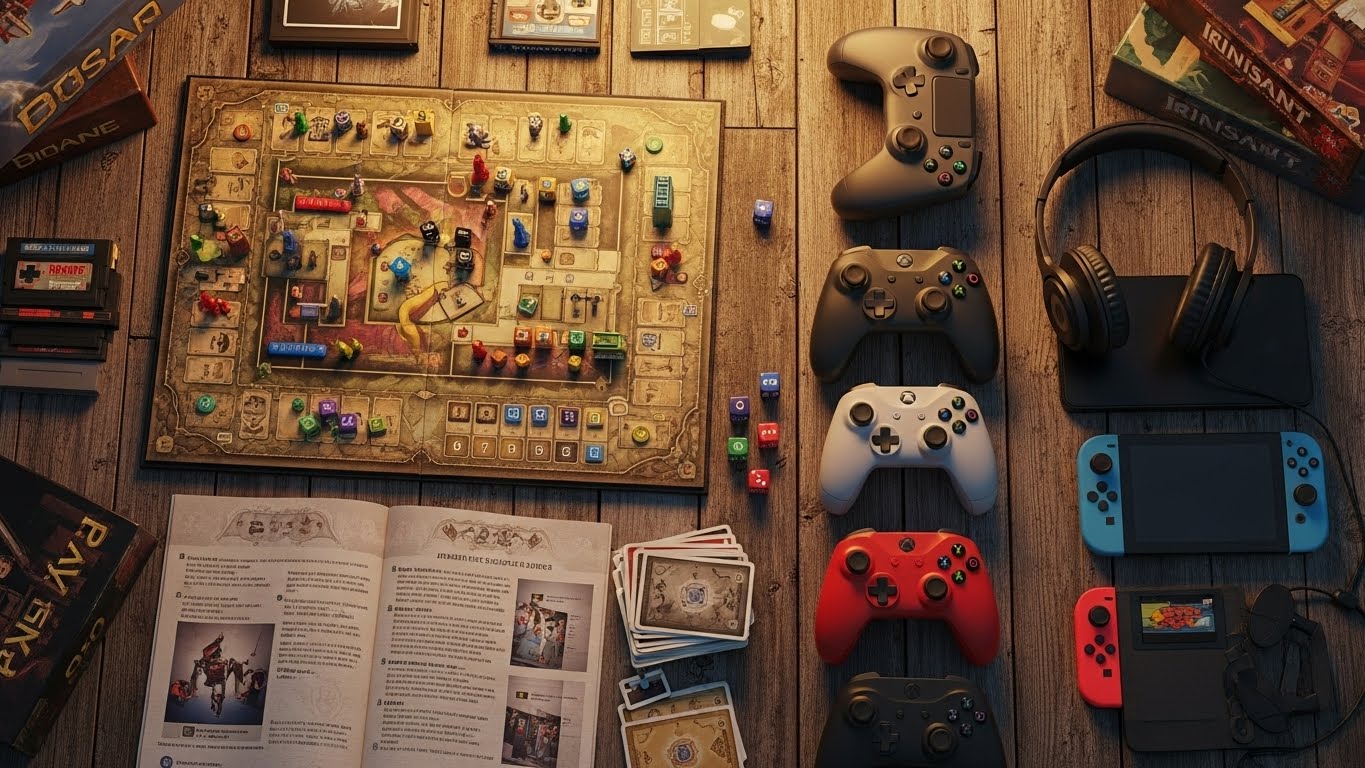
Board games have played a central role in human entertainment for centuries. Classics such as chess, checkers, and backgammon have endured because they combine strategy, skill, and social interaction. Over time, board games have evolved to include complex storytelling and cooperative gameplay. Modern board games, such as strategy-based or adventure games, challenge players to think critically, plan ahead, and work together. The resurgence of board games in recent years demonstrates that traditional games can coexist with digital entertainment, offering tactile experiences and social connection that cannot be replicated on a screen.
Video Games: A Digital Revolution
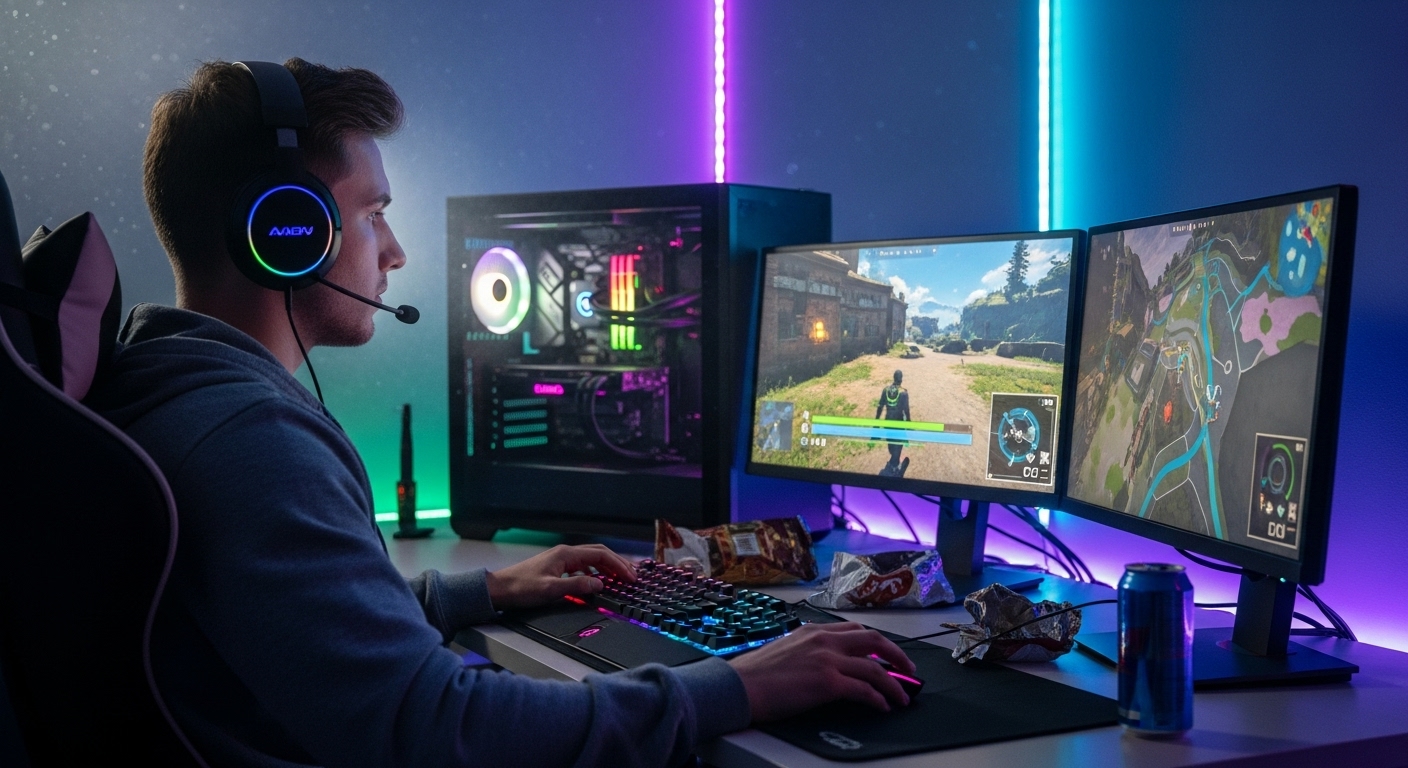
The introduction of video games marked a revolutionary shift in the world of entertainment. Early arcade games in the 1970s, such as Pong and Space Invaders, captivated audiences with their simplicity and competitive nature. The arrival of home consoles and personal computers allowed gaming to reach households worldwide, making it a mainstream form of entertainment. Modern video games now feature stunning graphics, complex narratives, and immersive gameplay, often rivaling movies in storytelling. Video games have become platforms for creativity, allowing players to explore virtual worlds, solve puzzles, and even influence the outcome of dynamic stories.
Gaming as a Social Platform
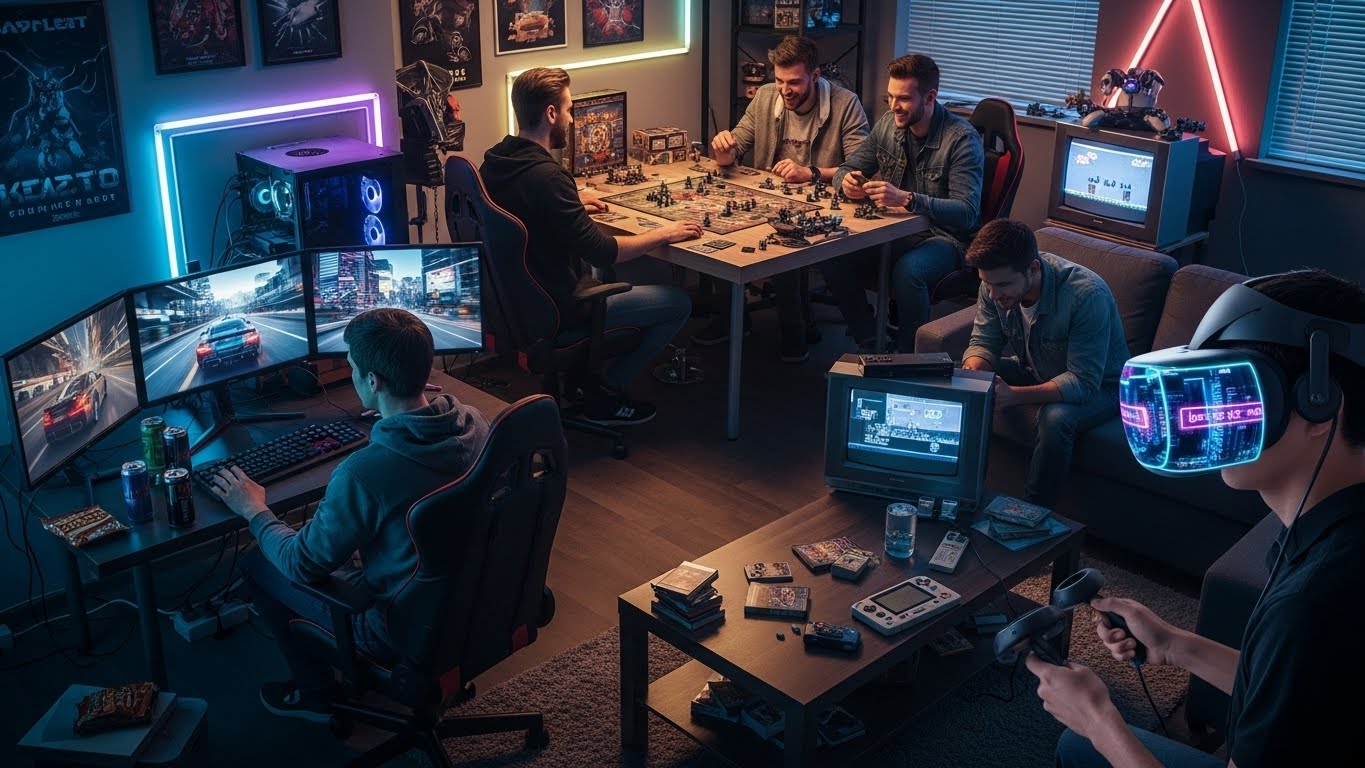
One of the most powerful aspects of modern gaming is its social dimension. Online multiplayer games allow players to connect across continents, form friendships, and collaborate on shared goals. Massive multiplayer online role-playing games, competitive shooters, and cooperative adventures provide spaces where players can interact meaningfully, creating communities around shared experiences. Social features such as voice chat, guilds, and online events foster a sense of belonging and collaboration, making gaming not just an individual activity but a shared social experience. Many players find lasting friendships and even professional opportunities through gaming communities.
The Psychological Benefits of Gaming
While some criticize gaming for potential negative effects, research shows that it offers significant psychological benefits when approached responsibly. Strategy games and puzzles enhance problem-solving, critical thinking, and spatial awareness. Role-playing games encourage creativity and decision-making skills by allowing players to navigate complex narratives and consequences. Gaming also provides a sense of achievement and progression, boosting self-confidence and resilience. Beyond skill development, gaming can serve as an emotional outlet, helping players relieve stress, explore new identities, and escape from everyday pressures in a safe and controlled environment.
Competitive Gaming and Esports
Competitive gaming, also known as esports, has grown into a global phenomenon. Esports tournaments attract millions of viewers worldwide and offer players the chance to pursue professional careers. Games such as MOBAs, first-person shooters, and battle royale titles have created entire ecosystems of professional players, teams, sponsors, and streaming platforms. The rise of esports has also influenced how society views gaming, showing that it can be a legitimate career and skill-based pursuit. With large-scale events, live streaming, and media coverage, competitive gaming has transformed from a niche hobby into a mainstream spectacle with cultural and economic significance.
Gaming as a Storytelling Medium
Modern games have evolved into powerful storytelling mediums. Unlike books or movies, games allow players to influence narratives through their choices and actions. This interactivity creates a deep emotional connection between players and characters, enhancing the impact of the story. Games explore diverse genres, from epic fantasy adventures to realistic simulations of life, offering players the chance to experience perspectives and scenarios they may never encounter in real life. The ability to immerse players in interactive worlds makes games not only entertaining but also thought-provoking and culturally significant.
Mobile Gaming: Entertainment on the Go
Mobile gaming has revolutionized accessibility, making games available to millions of people worldwide. Smartphones and tablets allow players to engage in entertainment anywhere, anytime, whether during a commute, a break at work, or leisure at home. Casual games, puzzle apps, and mobile adaptations of popular franchises offer bite-sized experiences that appeal to a wide audience. Mobile gaming has also become a gateway for new players to explore the broader gaming world, providing an entry point that is both convenient and engaging. The combination of accessibility and variety ensures that mobile gaming remains a major force in the industry.
Educational and Serious Games
Beyond entertainment, games are increasingly used as educational tools. Educational games can teach mathematics, language skills, history, and problem-solving while keeping players engaged. Serious games, designed for professional training and simulations, help individuals learn complex skills in fields like medicine, engineering, and emergency response. Gamification, the use of game elements in non-game contexts, has also proven effective in workplaces and learning environments, motivating participation and enhancing retention. Games can thus serve dual purposes, providing both enjoyment and practical knowledge to players of all ages.
Gaming and Creativity
Games are inherently creative, both for developers and players. Developers design worlds, characters, and mechanics that challenge the imagination and push technological boundaries. Players, in turn, often engage creatively by building structures, customizing avatars, or creating content within game worlds. Sandbox games and simulation games, in particular, allow players to experiment and express themselves, fostering innovation and artistic expression. The collaborative and iterative nature of gaming communities often leads to fan-made content, mods, and shared experiences that extend the life and impact of games beyond their original design.
The Economic Impact of Gaming
The gaming industry has become one of the largest sectors in global entertainment. Video game development, publishing, esports, mobile games, and streaming platforms generate billions of dollars annually. The industry supports a wide range of careers, from designers and programmers to marketers and event organizers. Gaming also drives related markets, such as merchandise, tournaments, and content creation. Its economic influence demonstrates the broad appeal of games, highlighting how they have moved from simple hobbies to critical components of cultural and financial ecosystems.
The Challenges of Gaming
Despite the many benefits, gaming does present challenges. Excessive gameplay can lead to health issues such as eye strain, poor posture, and sleep disruption. Online communities sometimes expose players to toxic behavior or harassment. Moreover, game addiction is a concern when gaming interferes with responsibilities and social life. Responsible gaming habits, community moderation, and parental guidance for younger players can help mitigate these risks. By fostering balance and awareness, players can enjoy games in ways that enrich their lives without negative consequences.
The Future of Gaming
The future of gaming is full of possibilities. Advances in virtual reality, augmented reality, and artificial intelligence are transforming interactive experiences. Cloud gaming promises high-quality gameplay without expensive hardware, while personalized experiences cater to individual preferences. Social gaming is expected to expand further, connecting players in immersive and interactive ways. The convergence of technology, creativity, and community will continue to push the boundaries of what games can achieve, making them even more engaging, meaningful, and influential in society.
Games as a Cultural Phenomenon
Games are now a major part of global culture. They influence music, fashion, language, and social trends. Iconic characters and franchises inspire movies, merchandise, and fan communities. Gaming conventions and events celebrate creativity and community, fostering connections among fans. The cultural impact of games extends beyond entertainment, shaping identities and influencing values. As games continue to evolve, they will remain powerful tools for storytelling, expression, and cultural exchange across generations.
Conclusion: Games as a Lifelong Passion
Games are more than just a source of fun; they are a dynamic force that entertains, educates, and connects people around the world. From ancient board games to modern virtual realities, games have evolved to reflect technological progress, cultural change, and human creativity. They offer opportunities for social interaction, personal growth, and professional achievement. Whether played casually on a mobile device or competitively on a global stage, games enrich our lives in countless ways. As technology continues to advance and communities grow, the world of games promises endless possibilities, making it an enduring and transformative form of entertainment.