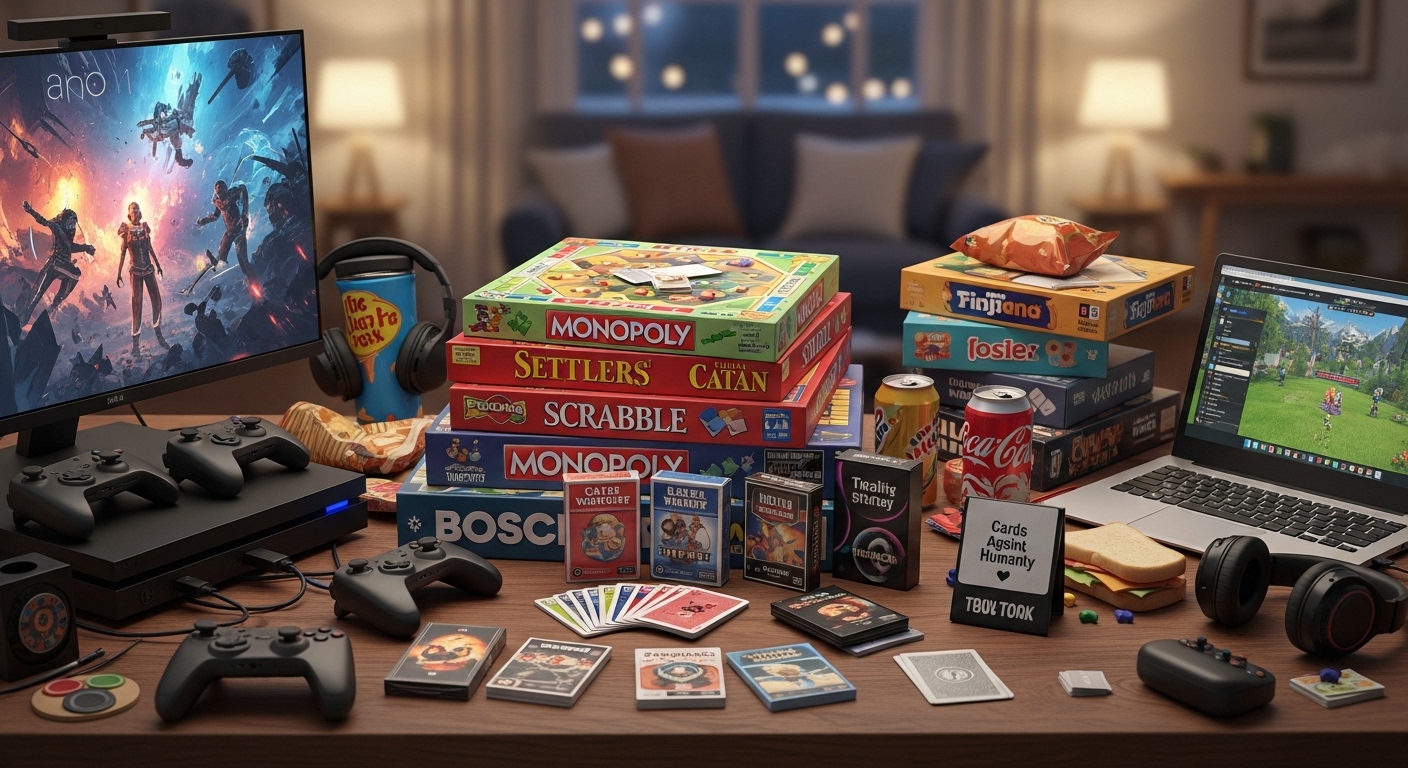


Games have been an integral part of human civilization for thousands of years. From ancient board games played by royalty to modern digital experiences enjoyed by millions, games have continuously evolved while serving as a medium for entertainment, education, and social interaction. They are more than mere pastimes; they are cultural artifacts, reflections of human creativity, and instruments for learning and personal growth. In this blog, we will explore the multifaceted world of games, their impact on society, their evolution, and why they continue to captivate audiences worldwide.
The Historical Journey of Games
Games are as old as human society itself. Archaeological evidence shows that games like Senet in ancient Egypt, Go in China, and the Royal Game of Ur in Mesopotamia were not only popular but also held cultural and sometimes spiritual significance. These early games often involved strategy, chance, and skill, reflecting the complexities of human thought and society. Board games were often designed to teach moral lessons, strategic thinking, or social norms, highlighting the educational potential of gaming from its earliest days.
As civilizations developed, so did the complexity and variety of games. The Renaissance period introduced more structured games with intricate designs and rules, paving the way for modern board games. During the industrial era, games became more accessible to the general public due to mass production and urbanization, allowing more people to enjoy structured leisure activities. These historical developments laid the foundation for the gaming culture that thrives today.
Video Games: The Digital Revolution
The 20th century brought a revolutionary change to gaming with the advent of digital technology. Video games emerged as a powerful form of interactive entertainment, combining visuals, sound, and narrative in ways that board games and traditional pastimes could not achieve. Early classics like Pong, Pac-Man, and Tetris captured the imagination of players worldwide, establishing video gaming as a major cultural phenomenon.
Video games are unique in their ability to immerse players in fantastical worlds and complex narratives. Unlike other forms of entertainment, games require active participation, challenging players’ problem-solving abilities, reflexes, and decision-making skills. The rise of home consoles, personal computers, and mobile devices further expanded the accessibility of games, making them a daily part of life for millions. Modern video games have evolved into expansive experiences with detailed graphics, intricate storylines, and online multiplayer functionality, allowing people to connect and compete across the globe.
Games as a Form of Art
While many people view games primarily as entertainment, there is a growing recognition of games as an art form. Games combine storytelling, visual design, music, and interactive mechanics to create experiences that are both engaging and emotionally resonant. Titles like “Journey,” “The Legend of Zelda,” and “The Last of Us” demonstrate how games can evoke deep emotional responses, similar to movies or literature.
The artistry in games lies not just in visuals or sound but in their interactivity. Players are not passive observers; they are active participants shaping the experience. This unique characteristic allows games to tell stories and convey emotions in ways that other art forms cannot replicate. Game designers carefully craft worlds, characters, and challenges to elicit specific reactions, making each playthrough a personal and dynamic experience.
Educational Benefits of Games
Games are not only entertaining but also educational. Educational games have long been used to teach children fundamental skills, from math and language to critical thinking and teamwork. Interactive simulations and strategy games enhance cognitive abilities by encouraging problem-solving, strategic planning, and adaptive thinking. Even mainstream games often provide educational value indirectly by fostering skills such as resource management, logical reasoning, and social cooperation.
Furthermore, games are increasingly being used in professional training and learning environments. Simulation-based training in aviation, medicine, and military operations allows individuals to practice real-life scenarios in a safe, controlled environment. The engaging and interactive nature of games makes learning more enjoyable and effective, highlighting the potential of gamification in education and skill development.
Social Impact of Games
Games are powerful tools for social interaction. Multiplayer games, both online and offline, provide platforms for collaboration, competition, and community building. Online gaming communities connect people from diverse backgrounds, allowing them to share experiences, form friendships, and work together toward common goals. Social games on mobile platforms, such as cooperative puzzle games or virtual worlds, encourage communication and teamwork among players.
Beyond entertainment, games also influence cultural norms and social behaviors. They can promote inclusivity by representing diverse characters and narratives, or they can encourage empathy by placing players in perspectives they might not encounter in real life. However, like any form of media, games can also reflect and perpetuate societal issues, making it important for players and creators to engage critically with the content.
The Rise of Indie Games
In recent years, independent or “indie” games have emerged as a significant force in the gaming industry. Unlike mainstream titles backed by large corporations, indie games are often developed by small teams or solo creators with limited budgets. These games thrive on creativity, innovation, and experimentation, offering experiences that are unconventional, thought-provoking, or deeply personal.
Indie games often push boundaries in storytelling, art style, and gameplay mechanics. Titles such as “Hollow Knight,” “Celeste,” and “Undertale” have captivated audiences with unique narratives, challenging gameplay, and emotional depth. The rise of digital distribution platforms has made it easier for indie developers to reach global audiences, fostering a diverse and vibrant gaming landscape.
Gaming and Mental Health
The relationship between gaming and mental health is complex. On one hand, gaming can provide relaxation, stress relief, and a sense of accomplishment. Immersive games allow players to escape from daily pressures, explore creative worlds, and engage in satisfying challenges. Multiplayer and cooperative games can also provide social interaction and a sense of community, which can be beneficial for mental well-being.
On the other hand, excessive gaming or addiction can have negative effects, including sleep disruption, social withdrawal, and decreased physical activity. It is important for players to maintain balance and set healthy boundaries. When approached mindfully, gaming can be a positive outlet for creativity, social engagement, and mental stimulation.
The Future of Gaming
The future of gaming promises exciting innovations that will further redefine entertainment and interactivity. Advances in virtual reality (VR) and augmented reality (AR) technology are creating immersive experiences that blur the line between the virtual and real world. Artificial intelligence (AI) is enhancing game design by generating adaptive challenges, realistic characters, and dynamic narratives. Cloud gaming and streaming platforms are increasing accessibility, allowing players to enjoy high-quality experiences without expensive hardware.
Additionally, games are becoming more integrated into everyday life, influencing areas such as education, healthcare, and social interaction. Gamification, or the application of game principles to non-game contexts, is being used to motivate behavior, encourage learning, and improve productivity. As technology continues to evolve, the possibilities for gaming are limitless, promising experiences that are increasingly personalized, engaging, and impactful.
Conclusion
Games are a remarkable reflection of human creativity, culture, and technology. From ancient board games to modern digital experiences, they have evolved in ways that entertain, educate, and connect people across the globe. Games are more than just leisure activities; they are artistic expressions, educational tools, social platforms, and mental exercises. Their enduring appeal lies in their ability to engage players actively, challenge their minds, and evoke emotions in ways that other forms of media cannot.
As the gaming industry continues to innovate, the line between entertainment, education, and art will increasingly blur. Whether you are a casual player, a dedicated gamer, or someone exploring games for the first time, the world of gaming offers something for everyone. By embracing games thoughtfully, we can appreciate their potential to inspire, educate, and bring people together in ways that few other mediums can. Games are here to stay, and their journey is far from over.