
Games have been part of human life since the beginning of civilization. They are more than just a form of entertainment; they represent creativity, competition, learning, and human connection. From the oldest board games carved into stone to the most advanced virtual reality worlds, games continue to shape our cultures, minds, and societies. In this blog, we will explore the evolution of games, their impact on human life, and how they have transformed into one of the most powerful forces of the modern world.
The Origins of Play and the Birth of Games
The concept of play is as old as humanity itself. Early humans played simple games using stones, sticks, and bones. These were not only recreational but also educational, helping children learn skills needed for survival. Archaeological discoveries have found evidence of games dating back over 5,000 years. The ancient Egyptians played Senet, a board game that symbolized the journey to the afterlife. In Mesopotamia, people enjoyed a game known as the Royal Game of Ur, one of the earliest examples of structured play.
These ancient games show that play was never just about passing time—it had social, spiritual, and psychological meaning. They brought people together, reflected beliefs, and encouraged strategic thinking long before the concept of entertainment as we know it today existed.
The Role of Games in Culture and Society
Games have always reflected the values and customs of the societies that created them. In ancient China, the game of Go became a symbol of intellectual sophistication. It required deep strategy, patience, and foresight, qualities admired in scholars and leaders. Similarly, chess evolved in India before spreading to Persia and Europe, becoming a metaphor for war, politics, and intelligence.
In Native American cultures, games like lacrosse were not only physical competitions but also spiritual rituals. Many communities used them to resolve conflicts, celebrate events, or prepare for war. These traditions show that games were deeply integrated into social life, functioning as tools for unity, education, and even diplomacy.
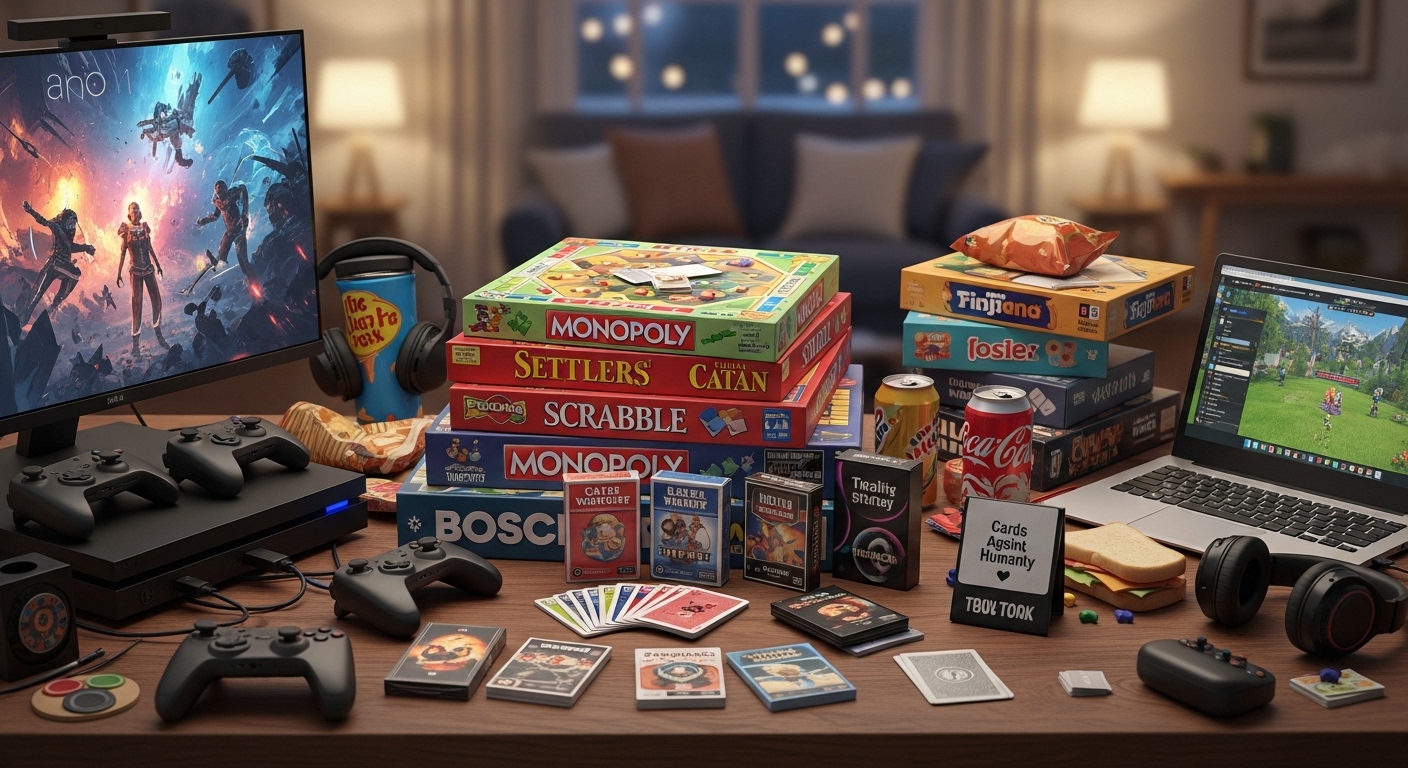
As societies evolved, so did their games. The industrial revolution brought about more leisure time and the mass production of board games, making them accessible to everyone. Families gathered around games like Monopoly or Scrabble, creating moments of bonding and laughter that continue to this day.
The Rise of Digital Gaming
The 20th century marked a new chapter in the history of games with the arrival of computers and digital technology. The first computer games emerged in the 1950s and 1960s, created by scientists and students experimenting with programming. These simple creations laid the foundation for an industry that would soon become a global phenomenon.
In the 1970s, arcade games like Pong and Space Invaders took the world by storm. For the first time, people could experience interactive entertainment in public spaces. The thrill of competing for high scores brought communities together and established the culture of gaming as a social activity.
The 1980s and 1990s saw the birth of home consoles. Companies introduced systems that brought video games into living rooms worldwide. Iconic franchises like Super Mario, The Legend of Zelda, and Sonic the Hedgehog defined an entire generation. These games were not only fun but also built emotional connections with players through storytelling and character development.
The Modern Era: A Universe of Digital Worlds
Today, gaming has evolved into a multi-billion-dollar industry with countless genres and platforms. From mobile games played casually on smartphones to massive online multiplayer worlds where millions of players interact in real-time, the diversity of gaming experiences is limitless.
Modern games combine art, technology, and storytelling in extraordinary ways. High-definition graphics, realistic physics, and advanced artificial intelligence create immersive environments where players can explore vast universes, solve mysteries, or build entire civilizations. Games like open-world adventures and role-playing epics blur the line between entertainment and art.
Esports have also emerged as a major phenomenon, transforming gaming into a professional sport. Competitive gaming tournaments now attract millions of viewers and offer prize pools worth millions of dollars. Players train like athletes, strategize like chess masters, and perform before global audiences. This rise of esports has changed perceptions of gaming, proving that skill, teamwork, and dedication can make players into stars.
The Psychology of Gaming: Why We Play
One of the most fascinating aspects of games is their psychological appeal. Why do humans enjoy playing? The answer lies in our brains and emotions. Games provide a sense of achievement, challenge, and progress. They tap into the reward system of the brain, releasing dopamine when we accomplish goals or overcome obstacles.
Games also fulfill our need for exploration and creativity. Whether it’s building virtual cities, designing characters, or solving puzzles, games allow us to express ourselves freely. They offer a safe environment to experiment, fail, and try again—a valuable skill that applies to real life as well.
Moreover, games can serve as stress relievers. In a fast-paced world filled with pressure and uncertainty, escaping into a digital adventure provides comfort and mental relaxation. Multiplayer games add a social dimension, helping people connect across distances and cultures, especially in times when physical gatherings are limited.
The Educational Power of Games
Beyond entertainment, games have tremendous educational potential. Learning through play is a concept that educators have embraced for centuries, and digital games have taken it to new heights. Educational games help students understand complex subjects through interactive and engaging experiences.
Strategy games teach critical thinking, problem-solving, and planning. Simulation games help players understand economics, politics, and science. Even simple puzzle games enhance memory, concentration, and cognitive flexibility. Many schools and organizations now use gamification techniques—turning lessons into game-like challenges—to make learning more enjoyable and effective.
Games also promote cultural awareness and empathy. Story-driven games allow players to experience life from different perspectives, understanding diverse backgrounds and emotions. This emotional engagement can foster compassion and awareness in ways that traditional media often cannot.
The Social Side of Gaming
Contrary to the stereotype of gamers as isolated individuals, gaming is often a deeply social activity. Online multiplayer games, voice chats, and cooperative modes have created virtual communities that span the globe. Players form friendships, share experiences, and even collaborate to achieve common goals.
Social gaming platforms allow people to connect regardless of distance, language, or background. For many, gaming communities provide a sense of belonging and identity. Events like conventions, streaming, and cosplay further strengthen these bonds, turning gaming into a vibrant social culture that celebrates creativity and collaboration.
However, it is important to recognize the challenges too. Online gaming can sometimes lead to toxicity, cyberbullying, or excessive screen time. Responsible gaming habits and awareness are essential to maintain balance and well-being. Many organizations now promote digital wellness, encouraging players to enjoy games healthily and positively.
The Art and Design Behind Games
Every great game is a work of art. Behind the scenes, teams of designers, writers, programmers, and artists collaborate to bring virtual worlds to life. The process of game development combines technology with imagination. From concept sketches to soundtracks and coding, every detail matters.
Game art has evolved dramatically over the years. Early pixel graphics have given way to breathtaking visuals that rival movies. Sound design and music also play a crucial role, shaping the emotional experience of players. The best games evoke joy, sadness, tension, or wonder through storytelling and atmosphere.
Independent developers have also contributed significantly to the creativity of the gaming world. With limited budgets but limitless imagination, indie games often explore unique concepts, emotional narratives, and innovative gameplay mechanics. They remind us that the essence of gaming lies in creativity, not just technology.
Virtual Reality and the Future of Gaming
The future of games is already unfolding through innovations like virtual reality (VR), augmented reality (AR), and artificial intelligence. VR immerses players directly into the game world, making them feel as if they are truly part of it. AR blends the digital and physical worlds, allowing players to interact with their surroundings in new ways.
Artificial intelligence enhances the realism of games, creating intelligent characters that adapt to player behavior. Cloud gaming technology allows users to stream games instantly without expensive hardware, making gaming more accessible than ever.
The potential of these technologies extends beyond entertainment. Virtual reality can train surgeons, simulate engineering projects, or help people overcome phobias. Games are increasingly being used in therapy, fitness, and professional training. The boundaries between play, learning, and work are becoming more fluid as technology evolves.
The Economic and Cultural Impact of Gaming
The gaming industry has become one of the largest entertainment sectors in the world, surpassing even film and music combined. It provides jobs to millions of artists, programmers, writers, marketers, and engineers. Game conventions and digital platforms have created entire ecosystems that drive innovation and creativity.
Culturally, gaming has become a defining part of modern identity. Iconic characters, memorable soundtracks, and famous moments from games influence fashion, art, and even language. Gaming memes, catchphrases, and references are woven into daily conversations, proving that games are now a fundamental aspect of global culture.
Challenges and Controversies in Gaming
Despite its many benefits, gaming faces challenges. Issues like addiction, violence, and representation have sparked debates for years. Some critics argue that certain games promote aggressive behavior, though research shows that the effects vary widely depending on the individual and context.
Another concern is inclusivity. For a long time, the gaming industry lacked diversity in both characters and creators. Fortunately, recent years have seen progress, with more representation of different genders, cultures, and identities in games. This shift not only enriches storytelling but also makes gaming more welcoming to everyone.
Monetization practices, such as loot boxes and microtransactions, have also raised ethical questions. Balancing profitability with player experience is an ongoing challenge for developers and publishers alike. As the industry matures, finding responsible and fair ways to sustain it remains crucial.
The Enduring Magic of Games
At their core, games represent something timeless—the human desire to play, imagine, and connect. Whether it’s an ancient board game played by candlelight or a modern virtual world rendered in stunning graphics, the essence remains the same. Games remind us of our creativity, our competitive spirit, and our capacity for joy.
They teach us patience, strategy, and teamwork. They challenge our minds, comfort our hearts, and sometimes even inspire our dreams. As technology continues to evolve, games will keep changing form, but their purpose will remain—to bring people together through the simple yet profound act of play.
Conclusion: A World Built on Play
The story of games is the story of humanity itself. It spans centuries of invention, creativity, and evolution. From the earliest forms of play carved into ancient stones to the vast digital realms that define our present, games have always reflected who we are and what we aspire to be.
As we look toward the future, one thing is certain: the world of games will continue to grow, surprise, and inspire. It will push boundaries, create new art forms, and connect people in ways we cannot yet imagine. Because at the heart of every game lies the most human instinct of all—the joy of play.