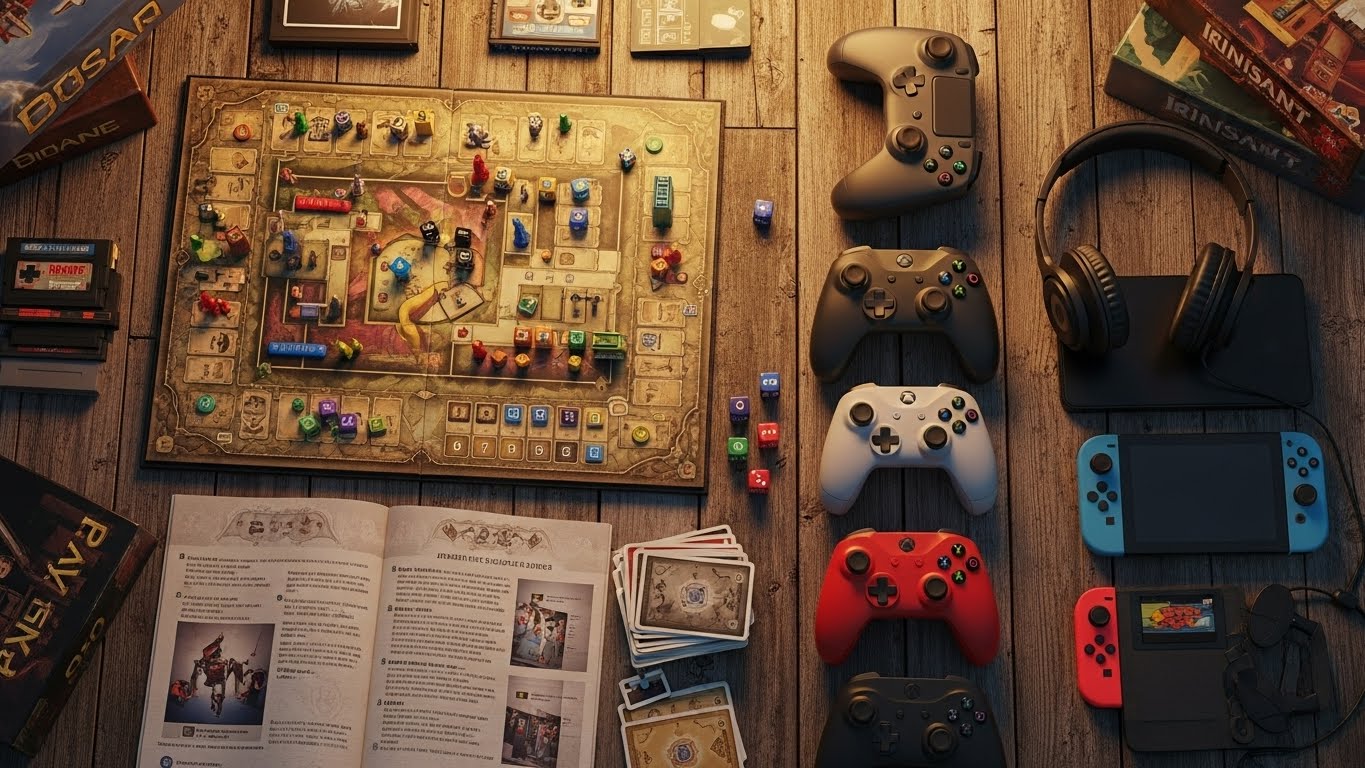

Games have been an intrinsic part of human culture for centuries, providing entertainment, challenges, and opportunities for socialization. From the ancient board games played on wooden tables to the immersive virtual worlds of today’s video games, the gaming industry has undergone significant transformations. The rise of technology and the digital age has reshaped the gaming experience, evolving from simple pastime activities to expansive, complex universes. In this blog post, we explore the history, current trends, and future potential of games, shedding light on how they have evolved and what lies ahead.
The Beginnings of Gaming: Board Games and Traditional Pastimes
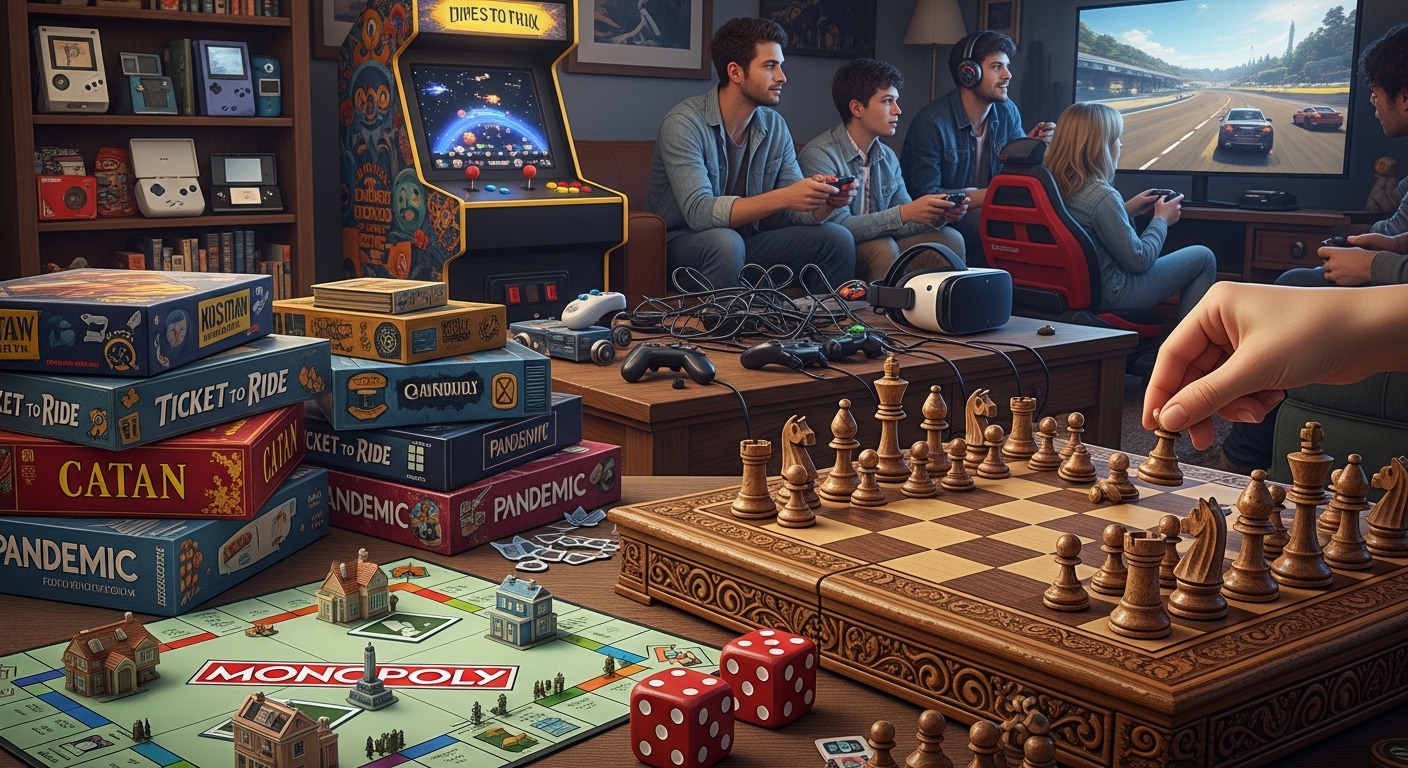
Long before video games made their mark, people engaged in games that were more physical or strategy-based. Ancient civilizations played games like Senet in Egypt, Go in China, and Chess in Europe—games that required skill, strategy, and sometimes, luck. These traditional games were the precursors to modern gaming, offering not just entertainment but also intellectual stimulation.
Board games like Monopoly, Scrabble, and Clue became household names during the 20th century. Families and friends gathered around tables to compete, strategize, and have fun. In many ways, these games set the stage for the rise of video games, showing how games could bring people together, foster social interactions, and create memorable experiences.
The Dawn of Video Games: From Simple Pixels to Complex Worlds
The real revolution in gaming began in the 1950s and 1960s, with the advent of digital video games. The earliest video games, like Tennis for Two and Pong, were incredibly simple by today’s standards, consisting of rudimentary graphics and gameplay. However, these early games sparked a wave of interest in interactive digital entertainment.
By the 1970s and 1980s, arcade gaming became the dominant form of entertainment. Games like Space Invaders, Pac-Man, and Donkey Kong filled arcades across the globe. Players would spend hours at these machines, aiming to beat high scores and compete with friends. These arcade games were not just about winning—they were about achieving mastery over a simple yet addictive challenge.
As gaming technology advanced, so did the complexity of the games themselves. In the 1990s, consoles like the Super Nintendo Entertainment System (SNES) and Sega Genesis allowed players to experience more intricate stories, better graphics, and more sophisticated gameplay. Games like The Legend of Zelda: A Link to the Past and Sonic the Hedgehog demonstrated how video games could tell compelling narratives and offer immersive worlds to explore.
The Rise of Personal Computers and Online Gaming
The 1990s also saw the rise of personal computers, which opened up entirely new avenues for gaming. PC gaming became an industry in itself, with games like Warcraft, Diablo, and Command & Conquer capturing the imaginations of players. These titles introduced more complex storylines, multiplayer capabilities, and deep gameplay mechanics that weren’t possible on consoles at the time.
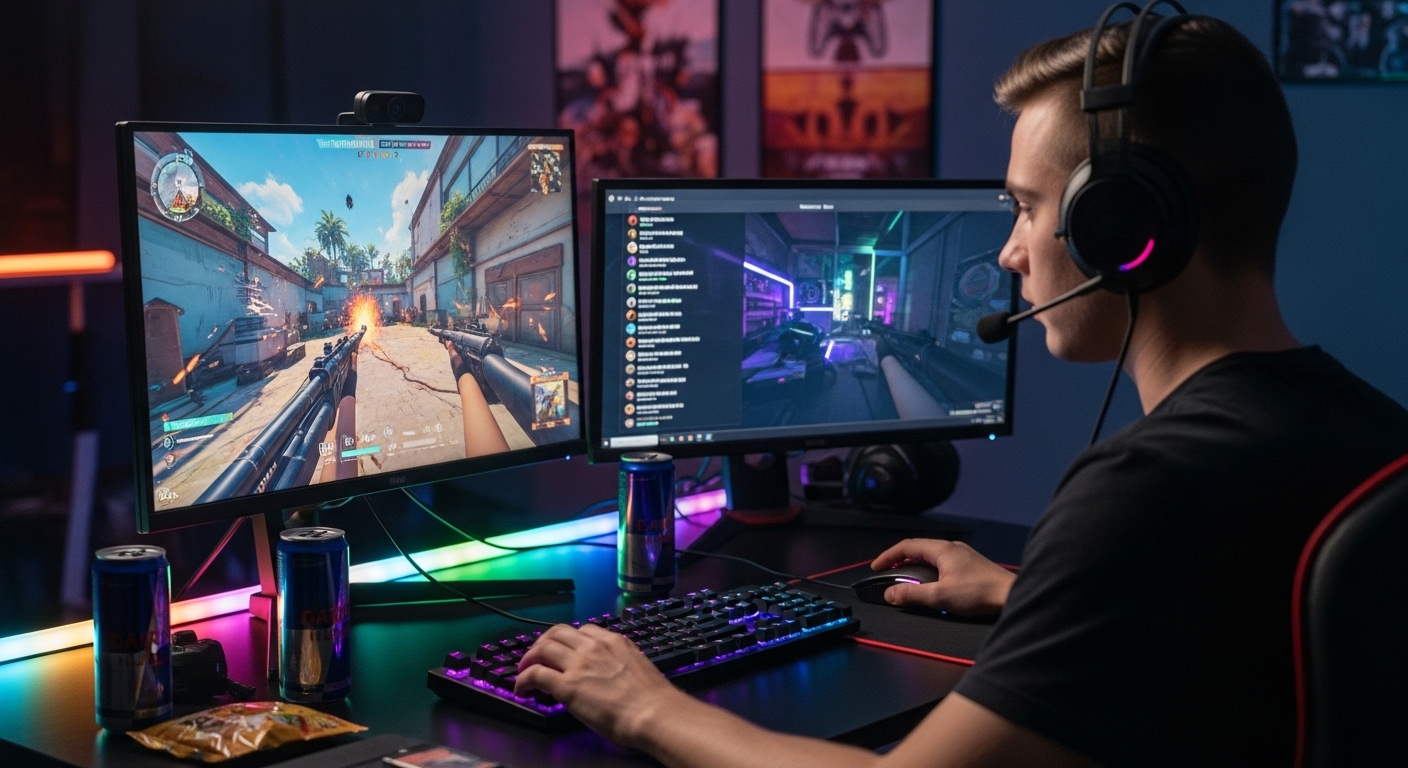
The growth of the internet during the late 1990s and early 2000s paved the way for online gaming. Players no longer had to be in the same room to compete; they could now connect with people across the world. Games like World of Warcraft, Counter-Strike, and StarCraft became global phenomena, with large, passionate communities built around them.
MMORPGs (Massively Multiplayer Online Role-Playing Games) like World of Warcraft brought together millions of players in a shared online world. These games introduced an entirely new level of social interaction, with players not only working together to complete quests but also building relationships, guilds, and virtual economies.
The Growth of Mobile Gaming
The next major shift in gaming came with the advent of smartphones. As mobile technology advanced, gaming moved from dedicated consoles and PCs to handheld devices. The release of the iPhone in 2007 marked the beginning of a mobile gaming revolution, offering easy access to a vast array of games that could be played anywhere.
Mobile games like Angry Birds, Candy Crush Saga, and Clash of Clans became hugely popular, offering quick, casual gaming experiences that didn’t require a large time commitment. The accessibility of mobile games meant that virtually anyone, regardless of age or gaming experience, could enjoy a game on their phone. This also opened up new revenue models, such as freemium games, which allowed players to download games for free and then purchase in-game items or upgrades.
Mobile gaming has now become one of the largest segments of the gaming market, with millions of titles available across both iOS and Android platforms. The ability to carry a gaming console in your pocket, with a virtually unlimited variety of games at your fingertips, has transformed how we engage with gaming.
Virtual Reality (VR) and Augmented Reality (AR): The Next Frontier
The latest frontier in gaming technology is virtual reality (VR) and augmented reality (AR). VR has created fully immersive worlds that allow players to experience games in a completely new way. With VR headsets like the Oculus Rift, HTC Vive, and PlayStation VR, players can step into 3D environments, interact with objects, and even use motion controls to manipulate their surroundings. Games like Beat Saber, Half-Life: Alyx, and The Walking Dead: Saints & Sinners are pushing the boundaries of what’s possible in gaming, offering experiences that feel more like real life than traditional video games.
AR, on the other hand, overlays digital elements onto the real world, creating an entirely different form of interactive entertainment. Pokémon Go is perhaps the most famous example of AR gaming, where players use their smartphones to find and capture virtual creatures in real-world locations. This blend of physical and digital elements has made AR games a fun and engaging way to explore the world around us.
While VR and AR are still in their early stages, they represent the future of immersive gaming experiences. As the technology improves, these games are expected to become more realistic, engaging, and accessible, with new applications in education, training, and entertainment beyond traditional gaming.
The Rise of Esports: Competitive Gaming as a Spectator Sport
In recent years, competitive gaming, also known as eSports, has evolved into a major form of entertainment in its own right. Games like League of Legends, Dota 2, Counter-Strike: Global Offensive, and Fortnite have become competitive arenas where players battle for large cash prizes, fame, and sponsorships.
Esports tournaments now attract millions of viewers, both online and in person. Events like The International (Dota 2’s annual championship) and the League of Legends World Championship bring together players and fans from all over the world. These tournaments are broadcast on streaming platforms like Twitch, YouTube, and Facebook, and they draw viewership comparable to traditional sports events.
The rise of esports has created a new career path for professional gamers, coaches, analysts, and even content creators. Major companies and brands are investing in esports teams, and universities are offering scholarships for esports players. The professionalization of gaming is only expected to grow, with more tournaments, leagues, and opportunities for aspiring players.
Gaming and Social Interaction: The Community Aspect
One of the most powerful aspects of modern gaming is its ability to connect people from all over the world. Multiplayer games, whether online or offline, have always had a strong social component, but the growth of online gaming platforms has taken social interaction to a new level.
Games like Fortnite and Minecraft allow players to team up with friends or make new ones through in-game chat and social features. In addition, streaming platforms like Twitch and YouTube allow gamers to share their experiences with a global audience, further enhancing the sense of community. These platforms enable gamers to interact with their favorite streamers, watch live gameplay, and participate in live chats.
Moreover, social media has played a crucial role in the rise of gaming culture. Platforms like Twitter, Reddit, and Discord allow players to discuss strategies, share experiences, and organize events. Gaming has become more than just an individual activity; it’s a global community where people come together to bond over shared interests.
The Future of Gaming: Trends and Innovations
As we look to the future, several trends and innovations promise to reshape the gaming world. Cloud gaming is one such development, enabling players to stream games without the need for expensive hardware. Services like Google Stadia, Xbox Cloud Gaming, and NVIDIA GeForce Now are bringing gaming to a wider audience by removing the barrier of needing a high-end PC or console.
Artificial intelligence (AI) will also continue to play a significant role in gaming. From creating more realistic non-playable characters (NPCs) to enhancing game design, AI is making games smarter and more dynamic. Moreover, AI-driven content generation could allow for infinite variations of game worlds, offering players an ever-evolving experience.
Finally, the integration of gaming with other media is likely to expand. Cross-media storytelling, where games tie into movies, TV shows, and even books, is already a growing trend. As the boundaries between gaming, film, and television blur, we can expect to see more immersive experiences that span multiple platforms and mediums.
Conclusion
From its humble beginnings as simple board games and arcade machines to the expansive virtual worlds and competitive eSports arenas of today, gaming has come a long way. The industry continues to evolve at an unprecedented pace, driven by technological advancements and changing cultural trends. Whether through mobile gaming, virtual reality, or online multiplayer experiences, games are no longer just a form of entertainment—they are an immersive experience that brings people together, fosters creativity, and pushes the boundaries of what’s possible. As we look to the future, one thing is clear: the world of gaming is only just beginning.