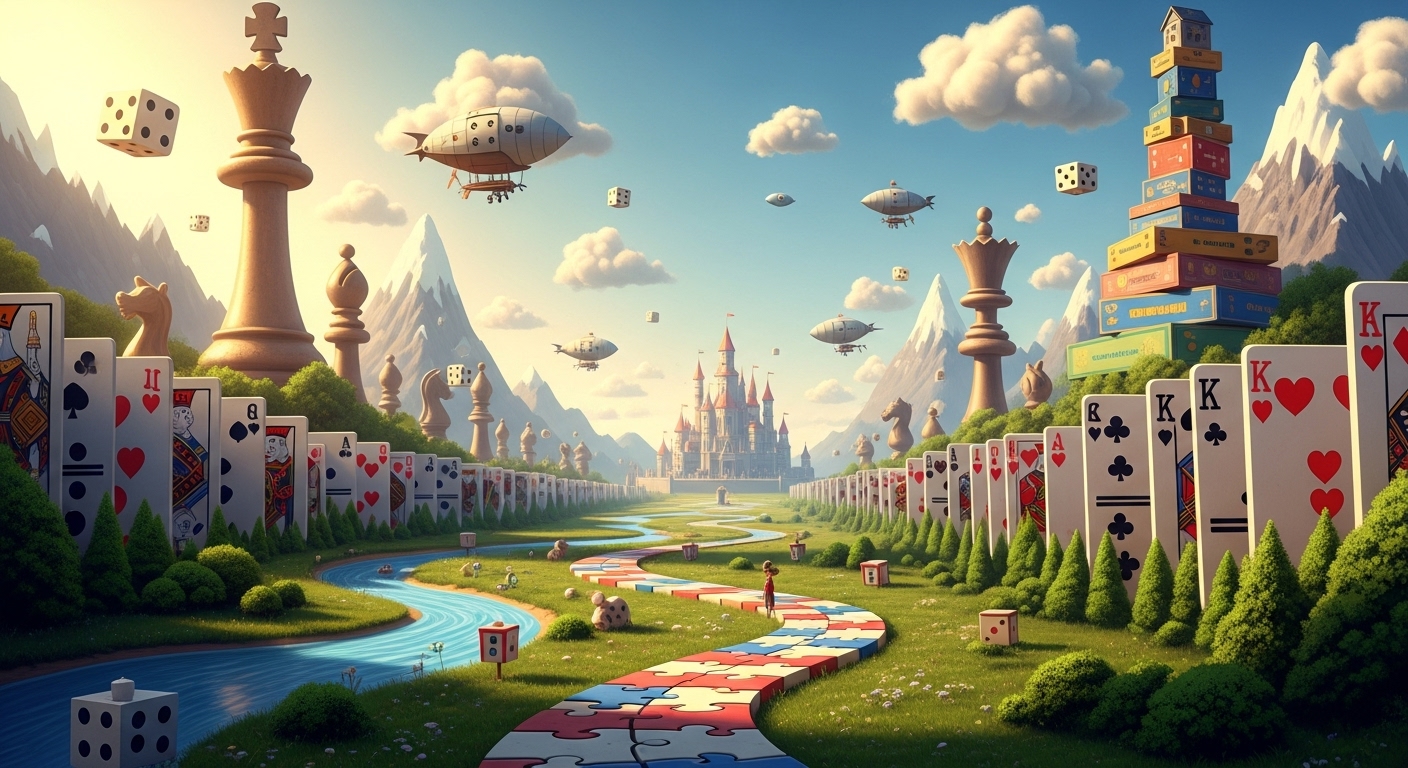

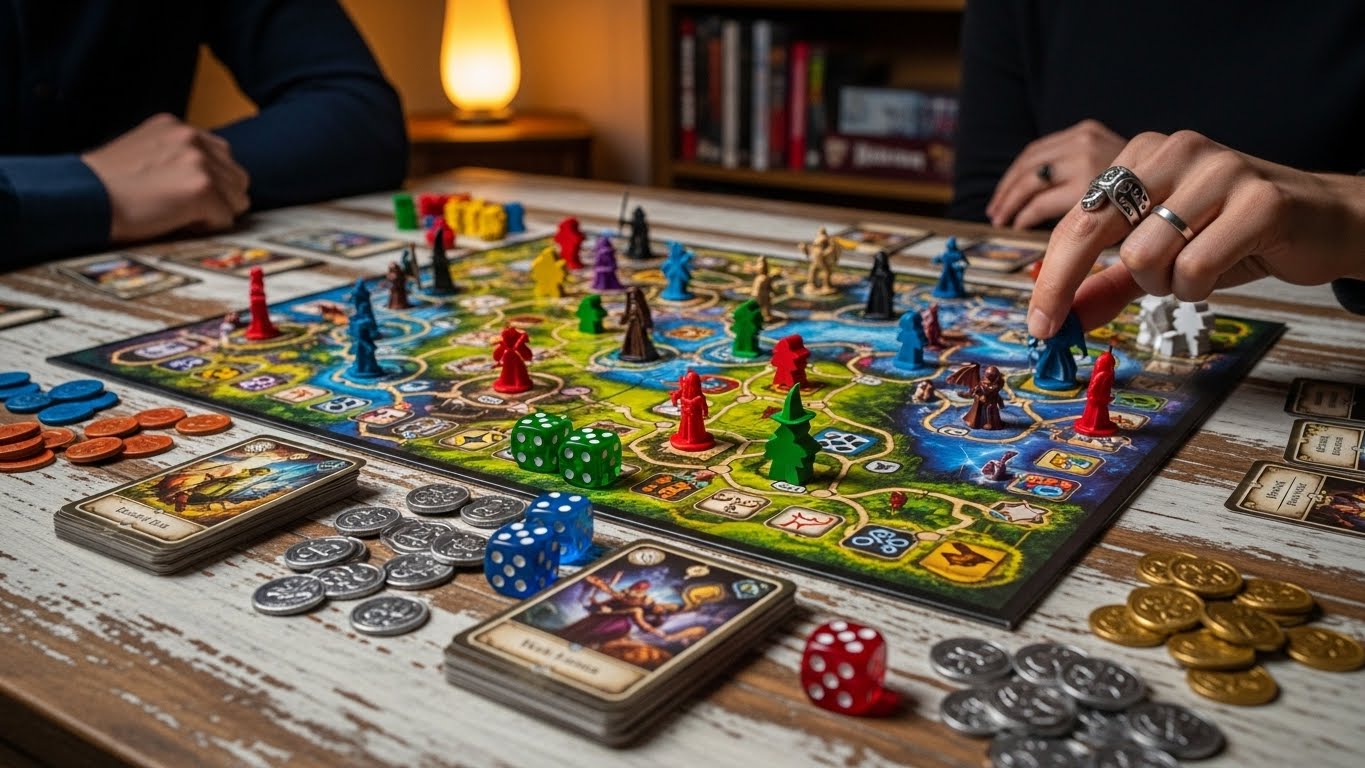
Games have always been a vital part of human culture. From the simple pastime of rolling dice thousands of years ago to today’s hyper-realistic virtual experiences, games have evolved in incredible ways. But what makes a game truly memorable is not just the graphics or technology but the creativity, mechanics, and emotional engagement it provides. In this blog, we’ll explore games that break the mold, offering unique experiences that challenge conventional gaming ideas and leave a lasting impact on players.
The Evolution of Games: From Ancient Times to Digital Realities
The history of games stretches back millennia. Ancient civilizations created board games like Senet in Egypt and Go in China, designed not only for entertainment but also to sharpen strategic thinking and social interaction. These early games were deeply embedded in culture and religion, often reflecting societal hierarchies or teaching moral lessons.
Fast forward to the 20th century, and games began taking new forms. Traditional board games like Monopoly became household staples, while arcade games introduced digital entertainment to a broader audience. With the advent of personal computers and gaming consoles, the industry experienced exponential growth. The rise of video games brought an unprecedented level of interactivity, immersing players in virtual worlds that could mimic reality or transcend it entirely.
Yet, amidst this growth, certain games dared to innovate beyond established formulas. They experimented with storytelling, gameplay mechanics, and aesthetics to deliver experiences that were unique, memorable, and often unconventional.
Games That Challenge Conventions
Not all games are created equal. While mainstream titles often follow familiar formulas to ensure mass appeal, some developers aim to disrupt expectations. These games prioritize originality and experimentation, offering players experiences that feel fresh and sometimes bizarre.
One key aspect of these unconventional games is their approach to gameplay mechanics. Instead of relying on combat or scoring points, these games might focus on exploration, social interaction, or even meditation. Players may be asked to navigate abstract worlds, solve unusual puzzles, or engage with the environment in creative ways. The common thread is that these games often defy traditional definitions, creating something that feels more like art than mere entertainment.
The Power of Storytelling in Games
Storytelling has always been a core element of games, but some titles elevate it to a whole new level. Unlike linear narratives found in movies or books, interactive storytelling allows players to influence the plot through their choices. Games like these create a sense of agency and personal connection that few other media can replicate.
In such games, the story isn’t just a backdrop—it becomes a living, breathing entity that evolves with the player’s decisions. Characters develop in unpredictable ways, relationships are tested, and outcomes can vary dramatically depending on how players approach challenges. This dynamic narrative structure transforms the gaming experience into something deeply immersive and emotionally resonant.
Games as Art: Visual and Auditory Experiences
Beyond mechanics and storytelling, some games stand out as masterpieces of artistic expression. They are designed to evoke emotions, provoke thought, and create experiences that linger long after the controller is set down.
Visual design plays a crucial role in these games. Developers may experiment with unique art styles, from hand-drawn animation to surreal landscapes, crafting worlds that are unlike anything seen in mainstream titles. The environment itself often becomes a character, communicating mood, tone, and narrative through subtle details.
Sound design is equally vital. Music, ambient sounds, and character voices contribute to the overall atmosphere, immersing players in ways that engage the senses and the imagination. The combination of visuals and audio in these games elevates them to an experience akin to interactive art, where every element is intentionally crafted to evoke emotion.
Mind-Bending Puzzles and Unconventional Mechanics
One of the hallmarks of unique games is their approach to gameplay mechanics. While many games focus on combat or resource management, others challenge players to think differently, solve complex puzzles, or experiment with unusual systems.
These games often require players to abandon conventional logic and embrace lateral thinking. Mechanics may involve manipulating time, altering perception, or leveraging physics in unexpected ways. The challenge lies not just in completing objectives but in understanding how the world operates and finding creative solutions within it.
Such games reward curiosity and experimentation, often leading to moments of awe and discovery. They demonstrate that games can be more than a test of reflexes—they can be exercises in creativity and critical thinking.
Multiplayer and Social Innovation
Games have always been social experiences, but some unique titles redefine what it means to play together. Multiplayer games can transcend competitive frameworks, instead emphasizing cooperation, empathy, and shared exploration.
In certain games, collaboration becomes the core mechanic. Players must communicate, coordinate, and rely on one another to progress. Others create social experiments, fostering interactions that are unscripted and unpredictable. These games highlight the power of human connection and show how gaming can serve as a platform for meaningful social experiences.
The Rise of Indie Games
Indie games have been at the forefront of innovation in the gaming industry. Unlike major studios bound by commercial expectations, independent developers have the freedom to experiment with ideas that might seem risky or unconventional.
This creative freedom has resulted in games that push boundaries in every possible way. From storytelling to mechanics to aesthetics, indie games often explore themes and styles that mainstream titles avoid. They can be whimsical, philosophical, emotionally intense, or abstract, and their impact is often magnified by their originality.
Indie games remind us that gaming is not just about spectacle—it’s about creativity, vision, and the ability to surprise and delight players.
Games That Blur Reality and Fiction
Some of the most fascinating games blur the lines between reality and fiction. Augmented reality (AR) and virtual reality (VR) experiences immerse players in worlds that feel tangible and interactive. In VR, players can physically move, manipulate objects, and experience environments from a first-person perspective, creating a sense of presence unlike any other medium.
AR games, on the other hand, merge the digital and physical worlds, transforming ordinary surroundings into interactive playgrounds. These games challenge perceptions and encourage players to see their environment in new ways. The blending of reality and imagination opens up limitless possibilities, offering experiences that are both innovative and deeply engaging.
Emotional and Thought-Provoking Experiences
Unique games often aim to evoke strong emotional responses. They can tackle themes of loss, identity, morality, and human relationships, forcing players to reflect on their own lives and decisions. These experiences may not be easy or comfortable, but they are profoundly memorable.
Games that evoke emotion do so through a combination of storytelling, atmosphere, and player agency. By making players active participants in the narrative, they create empathy and connection in ways that passive media cannot. The result is a deeply personal and transformative experience.
The Future of Unique Games
The future of gaming promises even more creativity and innovation. Advances in artificial intelligence, virtual reality, and interactive storytelling are expanding the possibilities for developers and players alike. Games will continue to challenge conventions, offering experiences that are more immersive, emotional, and imaginative than ever before.
As technology evolves, so too does the potential for games to explore complex themes, simulate intricate worlds, and create meaningful social interactions. The games of tomorrow may not just entertain—they may educate, inspire, and change the way we perceive reality itself.
Conclusion: Celebrating Creativity in Gaming
Games are more than just entertainment—they are a reflection of human creativity and imagination. The most memorable titles are those that challenge conventions, evoke emotion, and offer experiences that are truly unique.
From mind-bending puzzles to immersive storytelling, from artistic expression to social innovation, these games demonstrate the limitless potential of the medium. They remind us that gaming is not just about winning or completing objectives—it’s about exploration, discovery, and connection.
As the world of games continues to grow and evolve, players are invited to step into worlds that defy expectations, challenge their minds, and stir their hearts. In celebrating these unique experiences, we celebrate the power of creativity itself. Games are no longer just games—they are adventures, art, and journeys into the unknown.