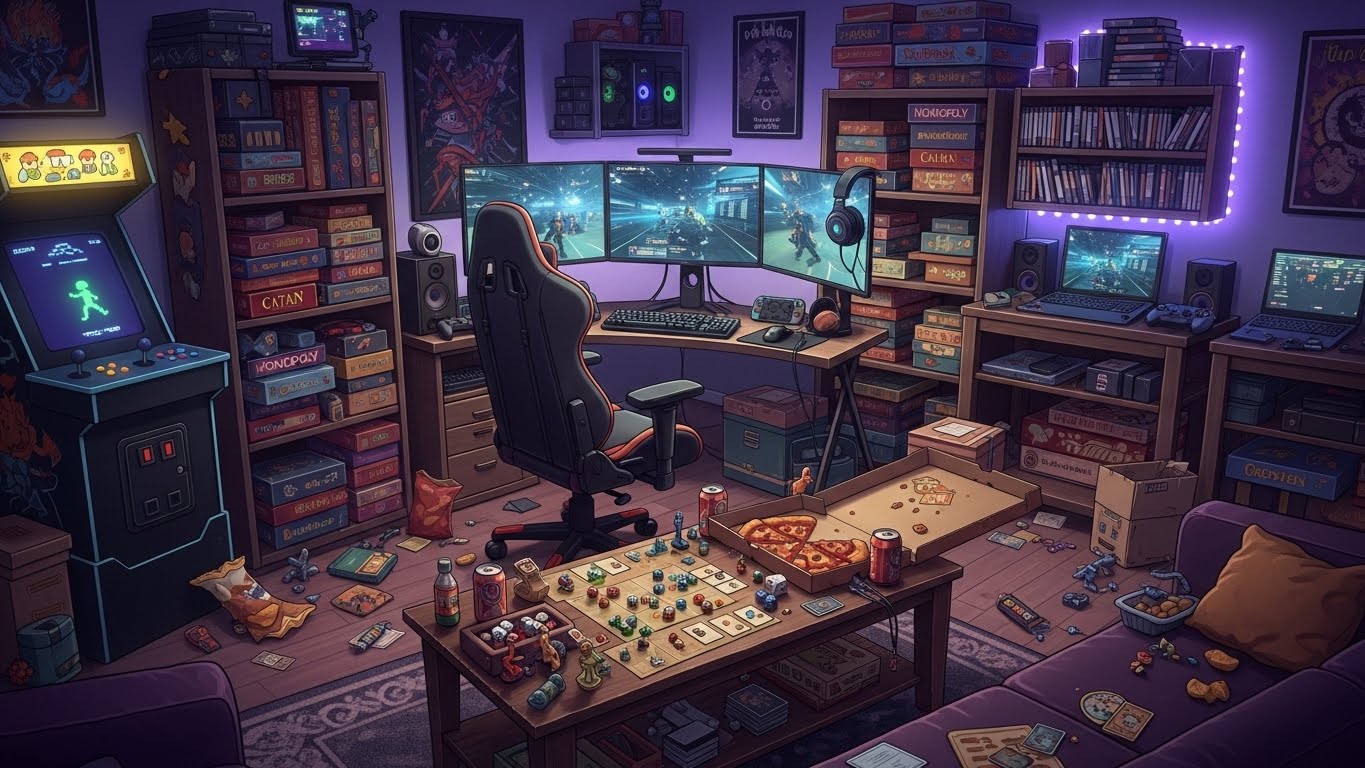

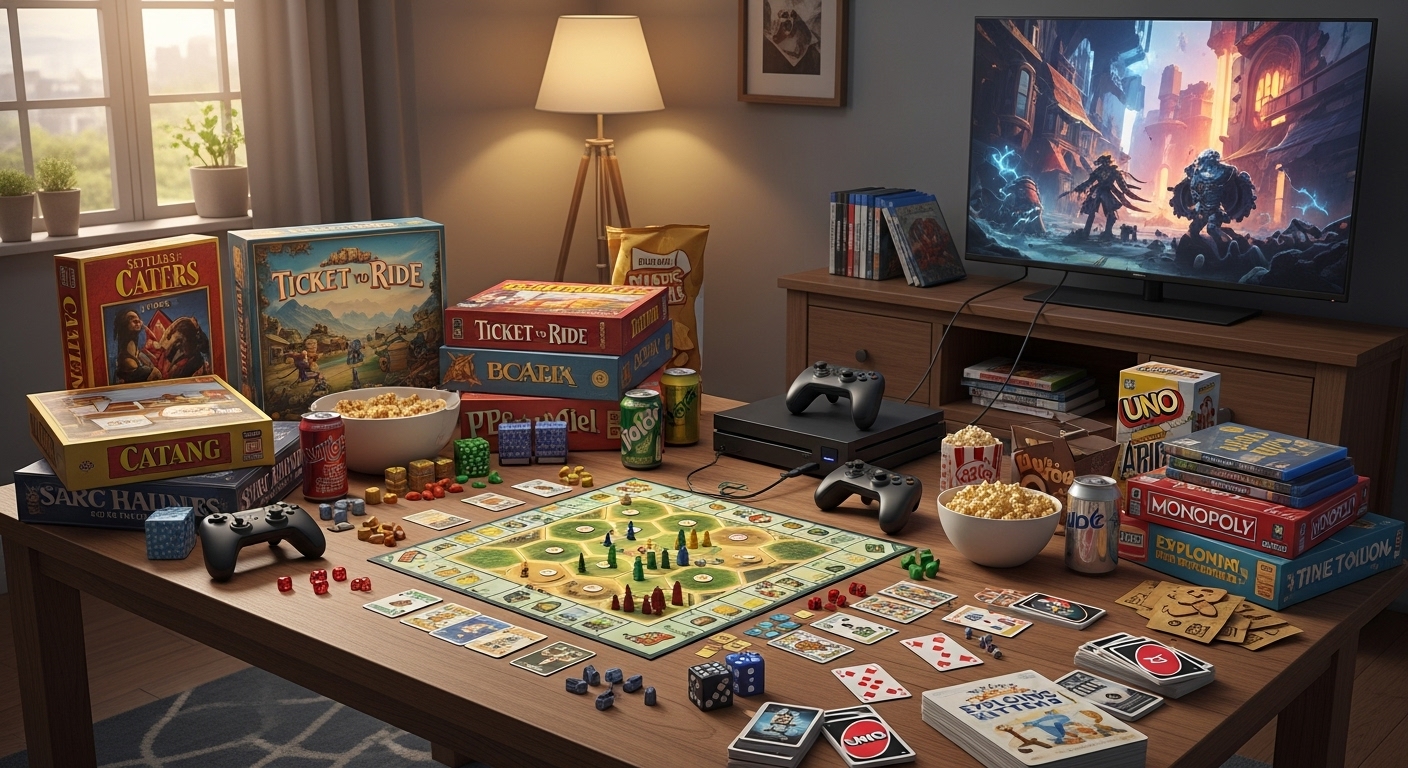
Games have always been an integral part of human culture. From traditional board games to modern video games, they have entertained, challenged, and brought people together for centuries. The evolution of games reflects how technology, creativity, and social interaction continue to shape our way of having fun.
The History of Games
Games have existed for thousands of years. Ancient civilizations played board games like Senet in Egypt and Go in China, which required strategy and critical thinking. Traditional outdoor games like tag, hide-and-seek, and chess have long been popular for teaching skills, fostering social bonds, and providing entertainment. These early forms of games laid the foundation for the complex and immersive experiences we see today.
The Rise of Digital Gaming
With the invention of computers and gaming consoles, digital gaming revolutionized the way people play. Video games introduced interactive experiences, stunning graphics, and dynamic storytelling. Titles from early arcade games to modern AAA productions have offered players the chance to explore fantastical worlds, solve intricate puzzles, and compete in multiplayer environments. The rise of online gaming further transformed the industry, connecting millions of players globally in real time.
Types of Modern Games
Modern games come in a wide variety of genres, each appealing to different types of players:
- Action Games: Fast-paced games that test reflexes and coordination, including shooters and fighting games.
- Adventure Games: Story-driven games that immerse players in quests, exploration, and problem-solving.
- Role-Playing Games (RPGs): Games where players create characters and progress through narratives, often with character customization and skill development.
- Simulation Games: Games that mimic real-world activities like farming, city-building, or life management.
- Puzzle and Strategy Games: Games that challenge the mind and require careful planning, critical thinking, and problem-solving.
The Impact of Games on Society
Games are more than entertainment—they influence culture, learning, and social interaction. Educational games help children and adults develop problem-solving skills, creativity, and knowledge retention. Competitive gaming, or esports, has created a global community and professional opportunities for players. Additionally, games provide a social platform where people can connect, collaborate, and share experiences.
Benefits of Gaming
Playing games offers several benefits beyond fun. Cognitive benefits include improved memory, decision-making, and strategic thinking. Social benefits include teamwork, communication, and forming friendships. Emotional benefits include stress relief, relaxation, and a sense of achievement when goals are completed. When enjoyed responsibly, gaming can be a healthy and rewarding part of daily life.
Challenges in the Gaming World
Despite its many advantages, gaming also presents challenges. Excessive gaming can lead to addiction, social isolation, and health issues like eye strain or poor posture. Moreover, ensuring online safety and protecting against cyberbullying are important for digital gamers. Game developers and players alike must find balance and promote responsible gaming habits.
The Future of Gaming
The future of games looks incredibly promising. Emerging technologies such as virtual reality, augmented reality, and artificial intelligence are making games more immersive and interactive than ever. Cloud gaming and mobile platforms continue to increase accessibility, allowing more people to enjoy games anytime and anywhere. As creativity and technology advance, gaming will continue to evolve as a central form of global entertainment.
Conclusion
Games have come a long way from simple pastimes to complex, digital adventures. They entertain, challenge, and connect people across the world while offering educational and emotional benefits. With ongoing innovations, gaming is poised to remain a vibrant and essential part of human culture for generations to come.