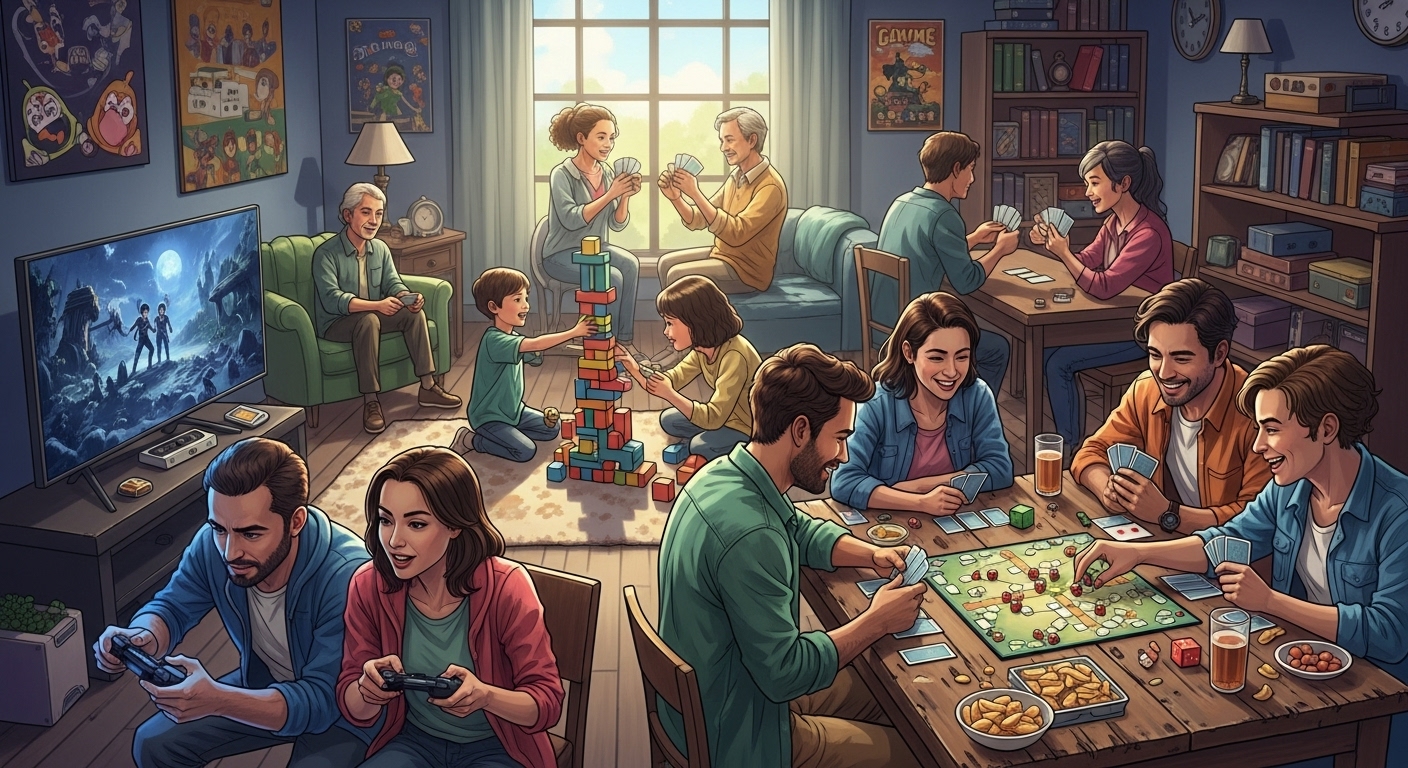


Introduction: The Timeless Appeal of Games
Games have always been an integral part of human culture, serving as sources of entertainment, learning, and social interaction. From traditional board games and card games to cutting-edge digital experiences, games stimulate creativity, strategic thinking, and problem-solving skills.
What makes games fascinating is their versatility. They can be competitive or cooperative, simple or complex, casual or professional. Regardless of type, games offer a structured form of play that allows individuals to challenge themselves, connect with others, and experience enjoyment in unique ways. Over the centuries, games have evolved in response to cultural, technological, and social changes, reflecting the dynamic nature of human creativity.
The History of Games: From Ancient Pastimes to Modern Classics
The history of games stretches back thousands of years. Archaeological findings reveal that ancient civilizations, including those in Egypt, Mesopotamia, and China, played board games and dice games. Games like Senet in Egypt were not only sources of entertainment but also carried spiritual significance.
Over time, games evolved to reflect societal values, cultural exchange, and intellectual advancement. Chess, originating in India, became a global symbol of strategy and intellect. Card games developed in Asia and spread to Europe, introducing elements of skill, chance, and competition. Board games, puzzles, and role-playing games allowed families and communities to bond while honing critical thinking and strategic skills.
The Emergence of Digital Gaming
The 20th century witnessed a revolutionary shift in gaming with the advent of digital technologies. Video games transformed the landscape, moving play from physical boards to screens. Early arcade games and home consoles introduced interactive experiences that captivated players worldwide.
Digital games offer immersive storytelling, interactive challenges, and high-quality graphics. From action-packed shooters to expansive role-playing games, digital platforms expanded the scope of what games could achieve. The introduction of personal computers and smartphones made gaming more accessible, connecting millions of players across different age groups and regions.
Types of Games: A Diverse Spectrum of Play
Games come in countless forms, each offering unique experiences and challenges. Understanding the different types of games highlights the diversity and depth of the gaming world.
- Board Games: Classic games like Monopoly, Chess, and Settlers of Catan involve strategy, skill, and social interaction. They remain popular for family gatherings and educational purposes.
- Card Games: Poker, Bridge, and collectible card games combine chance and strategy, appealing to casual and competitive players alike.
- Video Games: Digital games encompass genres such as action, adventure, simulation, role-playing, and sports. They provide immersive worlds, interactive narratives, and real-time challenges.
- Mobile Games: Games on smartphones and tablets offer accessibility and convenience. Casual games, puzzles, and multiplayer apps allow players to engage anywhere, anytime.
- Educational Games: These games teach skills and concepts through interactive play, helping children and adults enhance cognitive abilities and learning outcomes.
- eSports: Competitive gaming has evolved into professional tournaments where players showcase skill, strategy, and teamwork for prizes and recognition.
The Role of Technology in Modern Gaming
Technology is at the heart of modern gaming, driving innovation and enhancing player experiences. Advanced graphics, artificial intelligence, and immersive sound design make games more engaging and realistic.
Artificial intelligence allows games to adapt to player behavior, creating dynamic challenges and intelligent non-player characters. Virtual reality and augmented reality provide fully immersive experiences, allowing players to interact with digital environments as if they were real. Motion sensors, haptic feedback, and cloud-based platforms further enhance accessibility and interactivity, making gaming an increasingly immersive activity.
Social Impact of Games
Games are powerful tools for social interaction and cultural exchange. Multiplayer and online games foster collaboration, communication, and teamwork. Players form communities, develop friendships, and share experiences, creating social bonds that extend beyond the game.
Games also serve as cultural artifacts, reflecting societal norms, values, and narratives. Story-driven games explore complex themes, challenge ethical perspectives, and allow players to experience diverse viewpoints. Educational games, meanwhile, provide interactive and engaging ways to develop knowledge and skills. Through play, games contribute to personal growth, social learning, and cultural enrichment.
The Psychology Behind Gaming Engagement
Understanding why people play games helps explain their enduring popularity. Games provide a sense of achievement through progression, rewards, and mastery. They offer escapism, allowing players to explore alternative realities, identities, and adventures.
Competition and cooperation are central motivators in gaming. Leaderboards, rankings, and multiplayer interactions encourage engagement and skill development, while collaborative gameplay fosters teamwork and social connection. Studies have shown that games can enhance cognitive abilities, including problem-solving, spatial awareness, memory, and strategic thinking, making them both enjoyable and mentally stimulating.
Economic Influence of the Gaming Industry
The gaming industry has grown into a multi-billion-dollar global enterprise. Beyond entertainment, it supports employment in development, design, marketing, esports management, and customer support. Professional gamers, game designers, and content creators contribute to a thriving economy fueled by innovation.
Game monetization models, such as in-game purchases, subscriptions, and premium content, generate substantial revenue streams. Additionally, the industry drives technological advancements in graphics engines, AI, cloud computing, and cybersecurity. The economic impact extends beyond gaming, influencing technology, media, and cultural sectors worldwide.
Emerging Trends in the Gaming World
The gaming landscape is continuously evolving, influenced by technology and player preferences. Key emerging trends include:
- Virtual Reality and Augmented Reality: VR and AR create immersive experiences that engage multiple senses.
- Cloud Gaming: Remote game streaming allows players to enjoy high-quality experiences without expensive hardware.
- Mobile Gaming Expansion: Casual and mobile-first games attract a broader demographic and enable gaming on the go.
- eSports Growth: Professional competitive gaming is increasingly mainstream, with tournaments and streaming platforms attracting massive audiences.
- Interactive Storytelling: Games that adapt narratives based on player choices increase immersion and replayability.
These trends indicate that games will continue to grow as a central form of entertainment, education, and social interaction.
Challenges Facing the Gaming Industry
Despite its success, the gaming industry faces challenges. Game addiction, cyberbullying, and online harassment are serious concerns. Platforms and developers must prioritize player safety, responsible gaming, and moderation tools to ensure a healthy environment.
Market saturation is another challenge. Thousands of games are released each year, making it increasingly difficult for individual titles to gain visibility. Quality, innovation, and marketing strategy are critical for success in a competitive landscape. Ethical considerations, including data privacy and monetization practices, also remain crucial for building and maintaining player trust.
The Future of Gaming
The future of gaming promises even greater immersion, creativity, and connectivity. Advances in artificial intelligence, virtual reality, cloud computing, and haptic feedback will redefine player experiences. Cross-platform gameplay, live events, and social integration will make gaming more interconnected and accessible.
Games are no longer just entertainment; they are shaping culture, education, technology, and social interaction. With continued innovation, gaming will remain a dynamic force, fostering creativity, problem-solving, and global communities.
Conclusion: Games as a Cultural and Technological Force
Games have evolved from simple pastimes to complex digital experiences that entertain, educate, and connect people. They stimulate creativity, critical thinking, and social engagement while reflecting societal values and technological progress.
The diversity of games—from board games and card games to video games and eSports—ensures there is something for everyone. The industry continues to innovate, blending immersive technology, engaging narratives, and interactive gameplay.
As games evolve, they will continue to influence culture, inspire creativity, and connect players worldwide. Games are more than a pastime; they are a reflection of human ingenuity and a powerful medium for learning, collaboration, and entertainment. The future of games is bright, offering endless possibilities for innovation, engagement, and global connection.