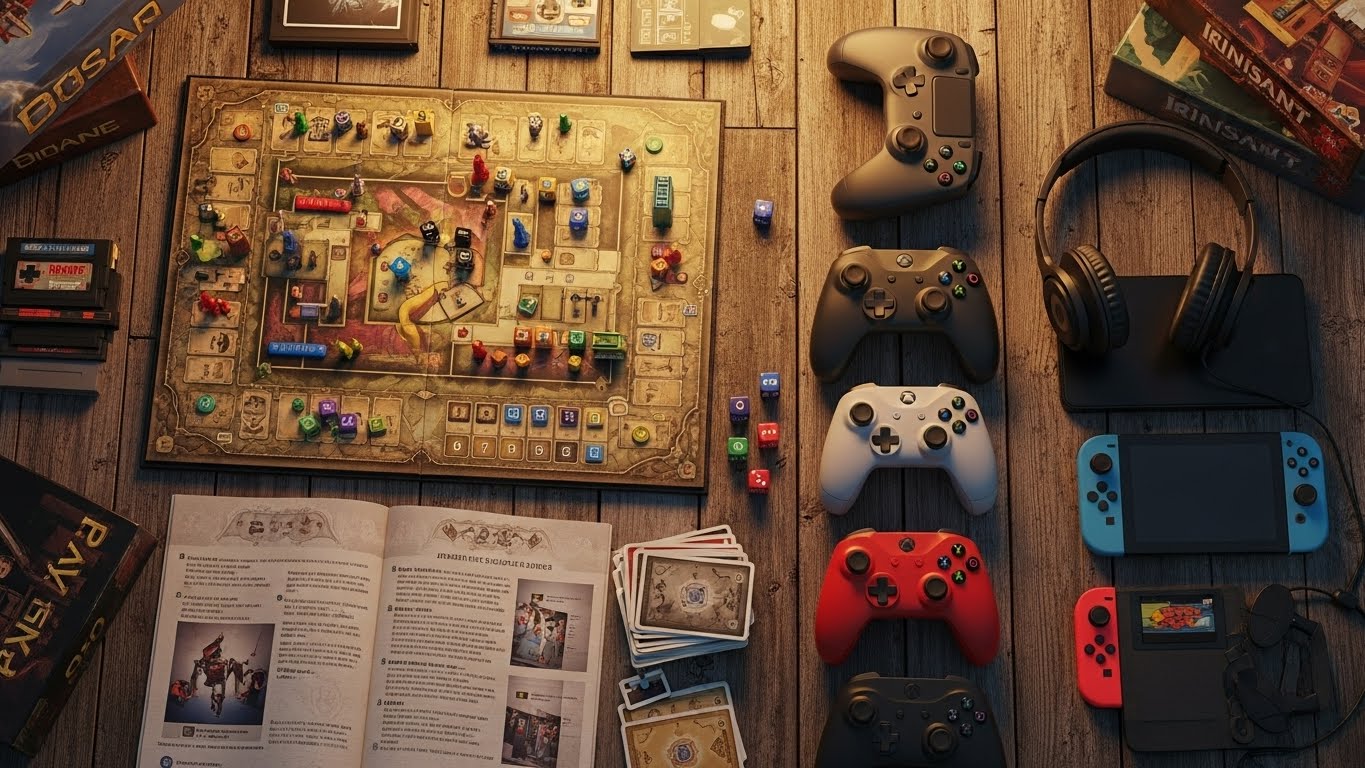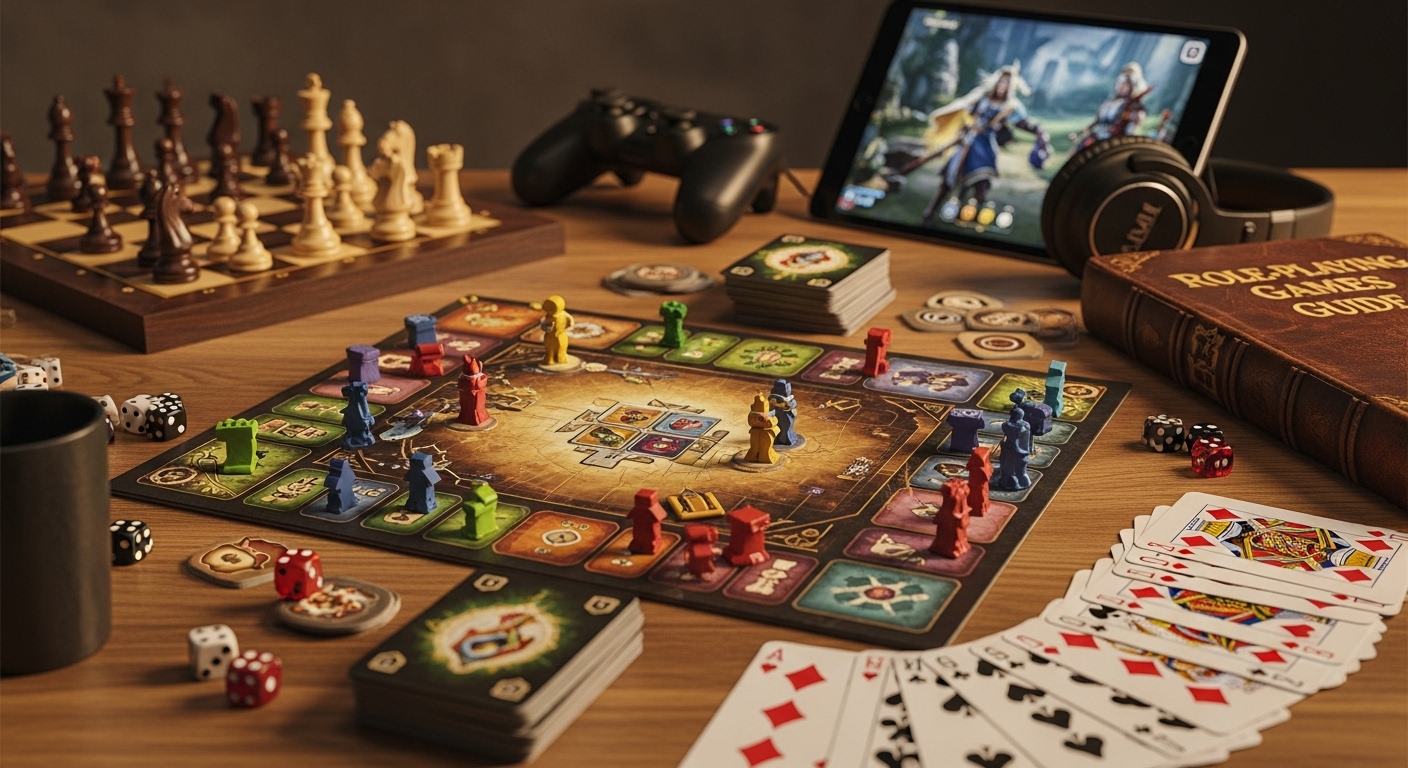

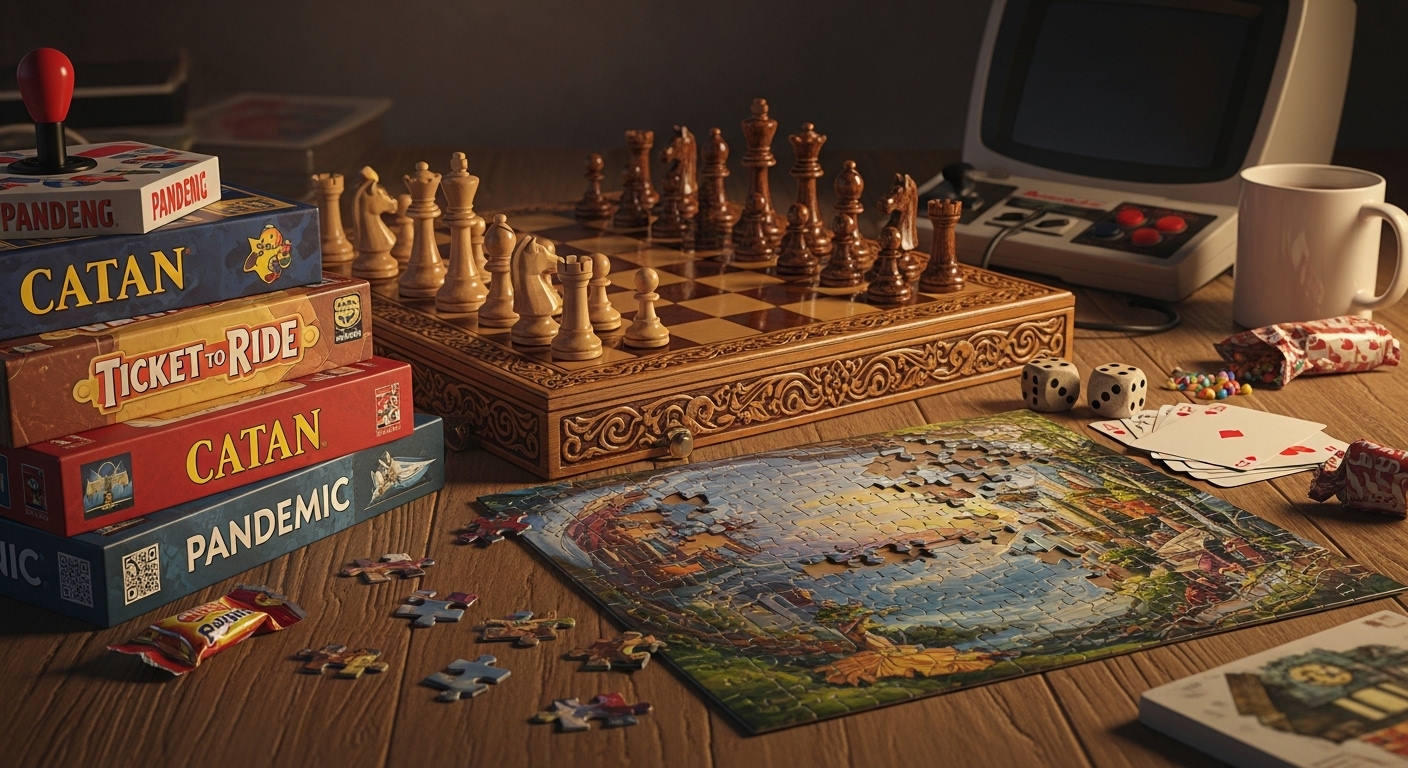
Introduction: The Timeless Appeal of Games
Games have existed in various forms throughout human history, offering not only entertainment but also a means to bond, challenge oneself, and explore new realities. Whether through simple tools and materials or through the power of advanced technology, games have been a constant part of human civilization. The act of playing a game taps into a deep-seated part of our nature, combining elements of strategy, creativity, and social interaction. This blog delves into the fascinating journey of games, tracing their origins, evolution, and role in modern society, exploring how they’ve shaped cultures and connected millions across the globe.
The Birth of Games: Early Civilizations and Ancient Play
The history of games dates back thousands of years, with evidence of game-playing in ancient civilizations such as Egypt, China, and Mesopotamia. Early games were often simple, relying on physical boards, stones, or other rudimentary materials. The Egyptians, for instance, played Senet, one of the oldest known board games, which was found in tombs dating back to around 3500 BC. Similarly, the Chinese invented Go, a complex strategy game that remains popular today. These games served not only as entertainment but also as tools for intellectual development, teaching strategy, critical thinking, and planning.
In ancient Greece and Rome, games took the form of physical competitions and board games. The Greeks, for example, participated in the Olympic Games, which were not only athletic competitions but also cultural events that united diverse city-states. These early games laid the foundation for the enduring appeal of competitive play, whether in physical sports or through strategy-based board games.
The Golden Age of Board Games: Strategy, Luck, and Social Interaction
As societies evolved, so too did the complexity of games. Board games, in particular, became a central feature of social gatherings. Classics such as Chess, Backgammon, and Checkers emerged, challenging players’ strategic thinking and offering hours of intellectual stimulation. These games became symbols of intellectual prowess, offering a venue for friendly competition and social bonding.
Chess, originating in India and later refined in Persia and Europe, became one of the most sophisticated games of strategy. Its rules, developed over centuries, require players to think several moves ahead, anticipate their opponent’s strategies, and adapt dynamically to changing circumstances on the board. Chess remains as relevant today as it did hundreds of years ago, with competitive chess tournaments and online platforms offering global accessibility to players of all levels.
Board games weren’t just limited to elite intellectual circles, though. Many simple games like Monopoly and Scrabble were designed to be more accessible, creating a form of entertainment that could be enjoyed by families and friends alike. These games promoted social interaction and healthy competition, reinforcing the notion of games as a tool for community-building and personal growth.
The Advent of Video Games: A Digital Revolution
The 20th century saw the birth of the video game industry, a seismic shift in how people experienced games. What began in the 1950s as simple experiments in computer graphics evolved into the video games we know today. The 1970s marked the advent of arcade games like Pong and Space Invaders, which introduced players to interactive digital experiences. These games relied on basic graphics and sound but captured the imagination of millions, drawing people to arcades where they could compete for high scores.
The arrival of home consoles, starting with systems like the Atari 2600 and later the Nintendo Entertainment System (NES), marked the beginning of a new era in gaming. With these systems, video games transitioned from being a mere novelty to becoming a core form of entertainment in living rooms across the world. The 1980s and 1990s saw the rise of iconic games like Super Mario Bros., The Legend of Zelda, and Street Fighter, establishing video games as a mainstream cultural force.
Mobile Gaming: Play on the Go
In the early 2000s, the rise of smartphones and tablets reshaped the landscape of gaming once again. Mobile gaming introduced a new level of accessibility, allowing players to enjoy games on the go. Games like Angry Birds, Candy Crush Saga, and Clash of Clans became cultural phenomena, attracting millions of players who could now play whenever and wherever they wanted.
Mobile gaming’s appeal lies in its simplicity and convenience. Unlike traditional console or PC games, mobile games often feature shorter play sessions and are more casual in nature, making them ideal for people with limited time or those who prefer a quick gaming fix. The success of mobile gaming has also led to the development of a wide variety of genres, from puzzle games and casual simulations to immersive role-playing games (RPGs) and battle royales, ensuring that there is something for everyone in the mobile gaming world.
The Role of Storytelling in Modern Gaming
One of the most significant developments in modern gaming is the integration of storytelling. Unlike the early days of video games, where gameplay was often the sole focus, contemporary games often weave intricate narratives into the gameplay experience. These stories enhance immersion, allowing players to connect emotionally with characters and plotlines. Games like The Last of Us, Red Dead Redemption, and Mass Effect are prime examples of how storytelling can elevate gaming to an art form, with rich, detailed worlds and morally complex characters.
The inclusion of story in games has helped bridge the gap between gaming and other forms of media, such as movies and books. Many games are now designed with cinematic-quality visuals, soundtracks, and voice acting, providing players with a highly immersive experience. This emphasis on narrative has also expanded the scope of video games, making them appealing not just to gamers but to a broader audience, including those who may not typically engage with traditional gaming experiences.
Multiplayer and Online Gaming: A Global Phenomenon
Another milestone in the evolution of gaming is the rise of multiplayer and online gaming. The advent of the internet allowed gamers to connect with each other in real-time, leading to the birth of massively multiplayer online (MMO) games like World of Warcraft and Guild Wars. These games allowed players from across the world to team up, explore virtual worlds, and engage in epic battles, creating vibrant online communities.
Online gaming has evolved even further with the rise of competitive multiplayer games. Titles like Fortnite, League of Legends, and Call of Duty have created massive online player bases, where gamers can compete against one another in real-time, often for substantial prizes. The rise of esports, competitive gaming on a professional level, has further fueled the global popularity of these games. Esports tournaments now attract millions of viewers worldwide, with some events filling stadiums and others being streamed online to audiences in the millions.
The social aspect of online gaming is perhaps one of its most significant draws. Multiplayer games foster collaboration, teamwork, and communication, whether players are working together to defeat enemies or strategizing to win a match. Online gaming has created a global community, where people from different cultures and backgrounds can connect over a shared passion.
Virtual Reality and Augmented Reality: The Next Frontier of Gaming
As technology continues to advance, so too does the potential for even more immersive gaming experiences. Virtual reality (VR) and augmented reality (AR) are two technologies that promise to revolutionize gaming in the coming years. VR immerses players in fully realized digital environments, allowing them to interact with the world around them in a way that traditional gaming could not replicate. Games like Beat Saber and Half-Life: Alyx showcase the potential of VR to create engaging and immersive experiences.
AR, on the other hand, overlays digital elements onto the real world. Games like Pokémon Go and Ingress have demonstrated how AR can create interactive, location-based experiences that blend the virtual and physical worlds. As VR and AR technologies continue to evolve, they are expected to further blur the lines between reality and gaming, offering players entirely new ways to experience and engage with games.
The Cultural Impact of Gaming
Games have become an integral part of modern culture, influencing everything from film and television to fashion and music. Iconic game franchises like Super Mario, Pokémon, and The Legend of Zelda have transcended the gaming world, becoming cultural symbols recognized worldwide. The impact of gaming on popular culture is undeniable, with games influencing art, storytelling, and design in ways that few other forms of entertainment have achieved.
Moreover, games have become a platform for self-expression. Players can customize avatars, build virtual homes, and even create their own games. This level of creativity allows individuals to leave their mark on the gaming world, whether through modding, creating content, or participating in the global gaming community. The gaming industry has also provided a platform for diverse voices, with indie games, female developers, and international creators bringing fresh perspectives to the medium.
Conclusion: The Ever-Expanding Universe of Games
From ancient board games to cutting-edge virtual reality experiences, games have evolved dramatically over the centuries. They have transformed from simple pastimes into a global industry that entertains millions, fosters social connections, and pushes the boundaries of technology. Today, games are not just a form of entertainment; they are an integral part of culture, education, and even professional competition.
Looking ahead, the future of gaming holds endless possibilities. With the continued advancement of technology, we can expect even more immersive, interactive, and dynamic experiences that will reshape how we play, socialize, and connect with one another. The evolution of games is far from over, and as they continue to evolve, they will undoubtedly remain at the forefront of modern entertainment.