

Introduction: Games as a Window into Human Creativity
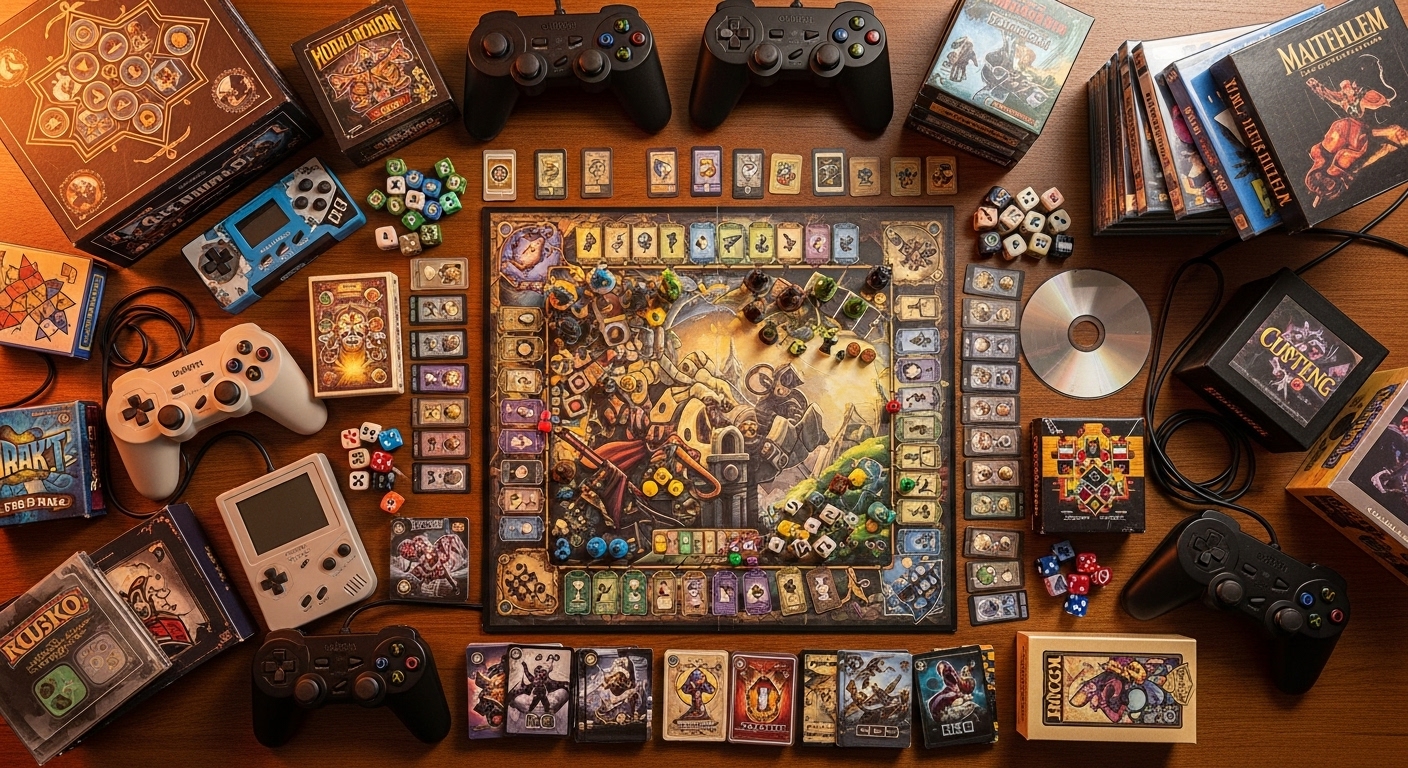
Games have been an integral part of human culture for thousands of years. From ancient board games to modern digital experiences, they have entertained, educated, and connected people across generations. Games are more than a pastime—they reflect societal values, stimulate creativity, and foster problem-solving skills. In this blog, we will explore the history, evolution, and modern impact of games, highlighting how they have transformed into a cornerstone of contemporary entertainment.
The Origins of Games: Ancient Play and Early Recreation
The history of games dates back thousands of years. Archaeological evidence reveals that ancient civilizations developed games to entertain, teach strategy, and encourage social interaction. The Egyptians played Senet, one of the earliest known board games, while the Chinese developed Go, a strategic game that emphasizes planning and foresight. Ancient Greeks and Romans engaged in physical games and competitions that promoted athleticism and teamwork. These early games not only provided amusement but also strengthened community bonds and nurtured critical thinking.
Board Games: Strategy and Social Interaction
Board games have long been a central aspect of recreation and strategy. Classics like Chess and Checkers challenge players to think ahead, anticipate opponents’ moves, and develop long-term strategies. Board games foster social interaction by encouraging group play, friendly competition, and collaboration. They have remained popular over centuries because they are accessible, adaptable, and intellectually stimulating. Even in the digital era, board games continue to influence modern game design, serving as inspiration for strategic gameplay mechanics.
The Rise of Video Games: A Digital Revolution
The invention of video games in the late 20th century marked a major turning point in the evolution of games. Early arcade games like Pong and Space Invaders introduced the world to interactive digital entertainment. Home consoles, such as the Nintendo Entertainment System and Sega Genesis, brought games into living rooms, making them a central part of family recreation. Video games combine storytelling, challenge, and reward systems, creating immersive experiences that engage players on multiple levels. The rise of consoles, PCs, and handheld devices transformed gaming into a global industry, attracting millions of enthusiasts worldwide.
Mobile Gaming: Entertainment in Your Pocket
The development of smartphones and tablets has revolutionized gaming once again. Mobile games offer instant access, intuitive controls, and a vast variety of experiences—from puzzle games and casual play to complex strategy and simulation titles. Mobile gaming has democratized access to games, allowing people to engage in entertainment during commutes, breaks, or leisure time. Popular titles such as puzzle games, battle royales, and simulation games demonstrate how mobile technology continues to expand the gaming audience and redefine play.
The Role of Storytelling in Games
Storytelling has become a key component of modern games. Narrative-driven games allow players to immerse themselves in detailed worlds, develop characters, and make choices that influence outcomes. Games like The Legend of Zelda, Final Fantasy, and The Witcher series exemplify how storytelling can enhance engagement and emotional connection. By combining plot, dialogue, and interactive mechanics, games have evolved into complex narratives that rival traditional forms of media such as movies and novels. Storytelling adds depth and purpose, making gaming a rich and fulfilling experience.
Multiplayer and Online Gaming: Building Communities
Online multiplayer games have transformed gaming into a social experience. Platforms like MMOs (Massively Multiplayer Online games) and competitive online shooters connect players from around the world, enabling collaboration, teamwork, and friendly competition. Games like World of Warcraft, Fortnite, and League of Legends foster global communities where players share strategies, form alliances, and compete in tournaments. Online gaming not only encourages social interaction but also introduces new dimensions of strategy and teamwork, making the experience more engaging and dynamic.
Esports: Competitive Gaming at Its Peak
Esports has elevated gaming into a professional and competitive arena. Players now dedicate hours to practice, strategy, and skill refinement, competing for substantial prize pools and international recognition. Tournaments such as the League of Legends World Championship and Dota 2’s The International demonstrate how gaming has become a spectator sport. Esports combines strategy, precision, and teamwork, offering excitement for both participants and audiences. This professionalization highlights gaming’s potential as a legitimate career path and entertainment industry in its own right.
Educational and Serious Games: Learning Through Play
Games are not only about entertainment; they can also be powerful educational tools. Educational and “serious” games teach problem-solving, critical thinking, language, and social skills. Simulation games like SimCity or Minecraft encourage creativity and planning, while educational apps use gamified mechanics to make learning engaging. By combining fun and functionality, these games demonstrate the potential of interactive experiences to enhance learning, skill development, and real-world problem-solving capabilities.
Virtual Reality and Augmented Reality: Immersive Gaming Experiences
Virtual reality (VR) and augmented reality (AR) have expanded the boundaries of gaming. VR games place players in fully immersive worlds where they can interact physically with the environment, while AR overlays digital elements onto the real world. Games like Beat Saber and Pokémon Go illustrate how VR and AR create entirely new experiences that blend imagination and reality. These technologies offer innovative ways to engage players, creating deeper connections between physical actions and digital outcomes.
The Psychology of Gaming: Engagement and Motivation
Understanding why people play games reveals insights into human psychology. Games engage players through challenges, rewards, progression, and social interaction. They provide opportunities for mastery, competition, exploration, and self-expression. This combination of elements fosters intrinsic motivation, making games compelling and enjoyable. Additionally, games offer stress relief, cognitive stimulation, and a sense of achievement. By understanding player behavior, developers can create experiences that are both enjoyable and meaningful.
The Business of Gaming: A Global Industry
Gaming has grown into a multibillion-dollar industry, supporting development studios, publishers, streaming platforms, esports organizations, and technology innovators. Revenue comes from game sales, subscriptions, downloadable content, in-game purchases, merchandise, and advertising. The industry drives technological innovation, supports employment, and contributes to digital culture. Its global reach ensures that gaming continues to expand, influencing entertainment trends and consumer behavior across diverse audiences.
Challenges and Opportunities in Modern Gaming
While gaming offers tremendous opportunities, it also faces challenges. Issues such as player addiction, online toxicity, and data privacy require attention and regulation. Balancing monetization with player satisfaction is crucial for maintaining trust and engagement. Developers are increasingly adopting responsible gaming practices, community management, and accessibility measures to ensure positive experiences. Addressing these challenges allows the gaming industry to grow sustainably while maintaining its appeal and relevance.
The Future of Games: Innovation and Immersion
The future of games promises even greater innovation. Advances in AI, cloud gaming, VR, AR, and interactive storytelling will continue to redefine how players experience entertainment. Games will become more personalized, adaptive, and immersive, responding to individual preferences and behaviors. Social and collaborative experiences will expand, connecting players across global communities. The continued evolution of games will ensure that they remain a dynamic, influential, and integral part of human culture.
Conclusion: Games as a Cultural and Entertainment Force
Games have come a long way from ancient board games to complex digital experiences. They entertain, educate, and connect people across cultures and generations. Modern games combine storytelling, strategy, social interaction, and technological innovation, creating immersive experiences that rival traditional forms of media. As technology advances and creativity flourishes, games will continue to shape entertainment, culture, and human interaction, reinforcing their place as one of the most influential and enduring forms of recreation in the modern world.