
Introduction: The Universal Language of Play
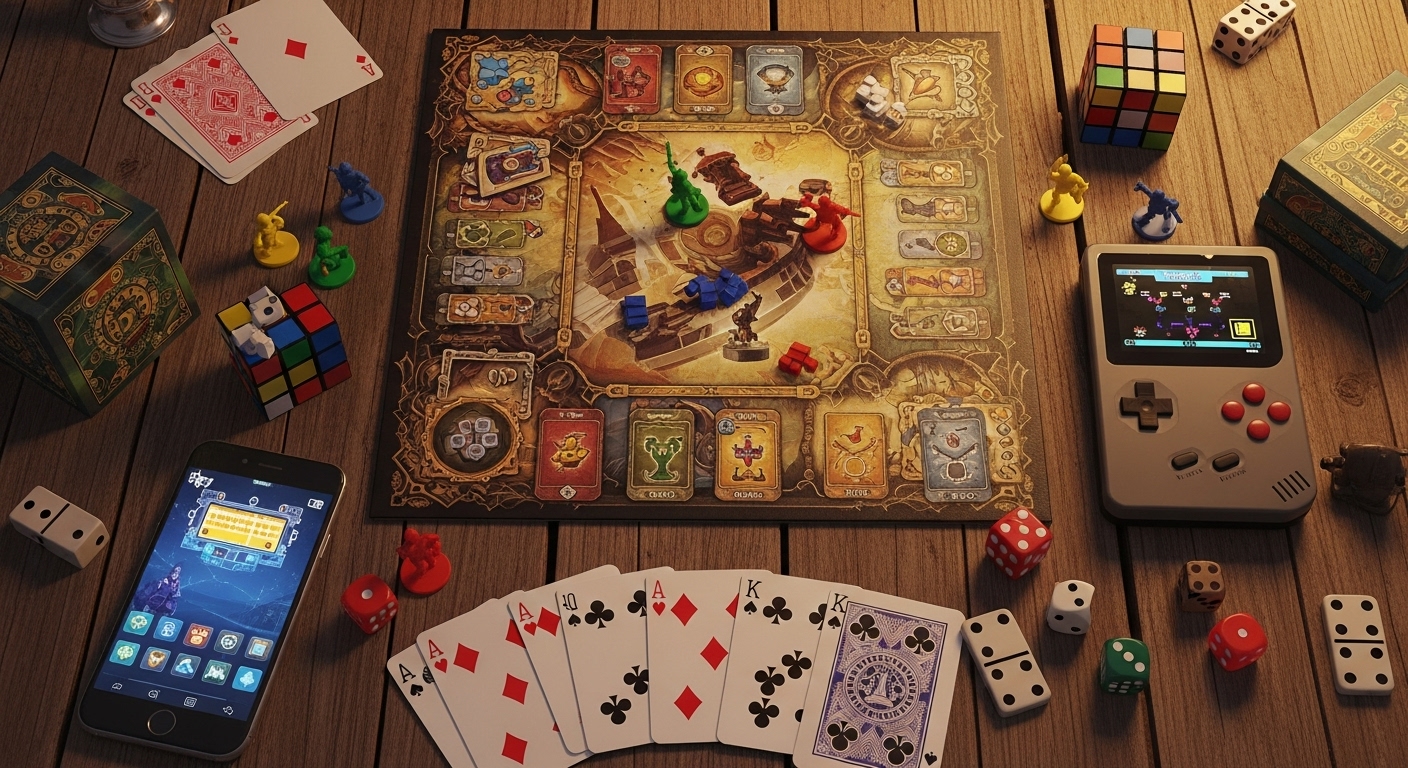
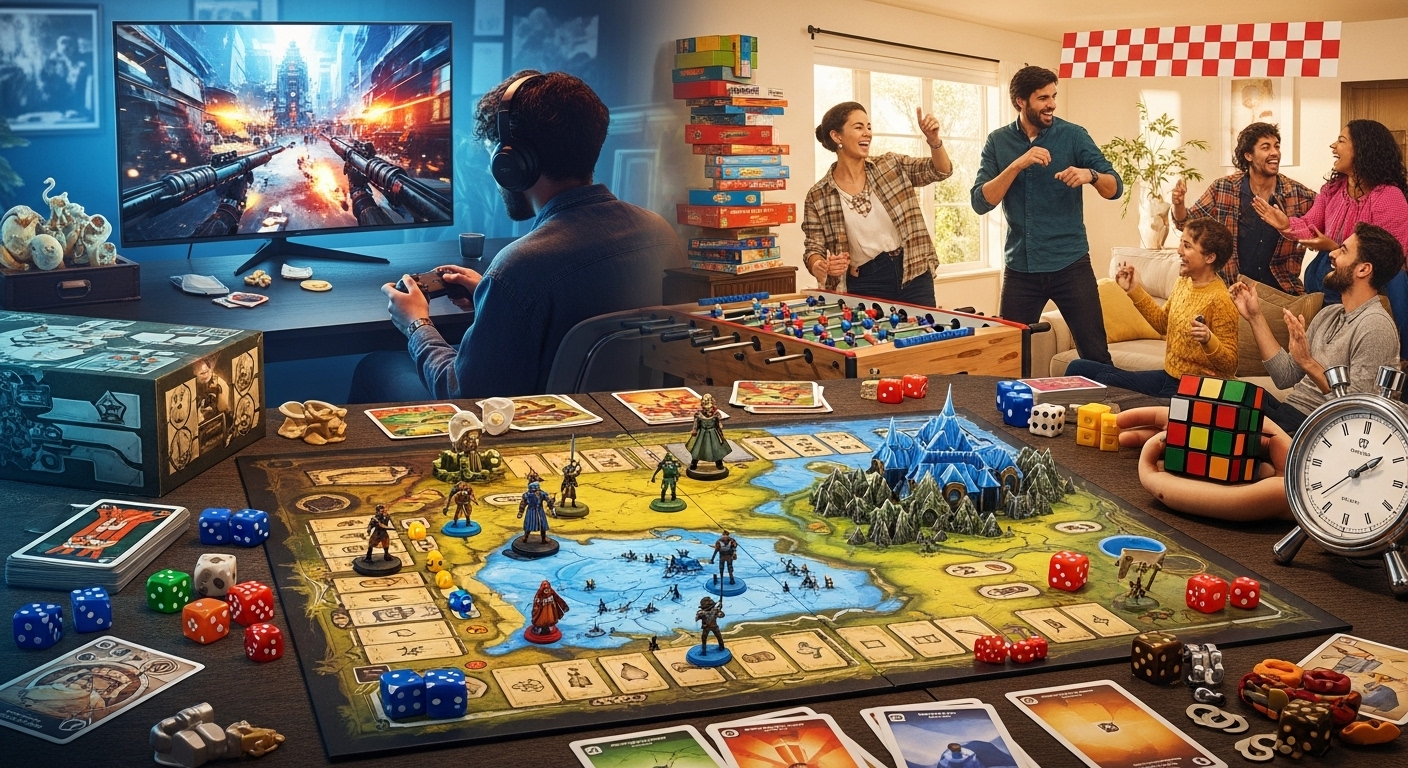
Games have been an integral part of human civilization since ancient times. From simple board games played with stones and sticks to immersive digital worlds powered by artificial intelligence, games have always captivated our imagination. They offer entertainment, challenge our intellect, and connect people across boundaries. Whether it’s children playing tag in the streets, friends competing in a console game, or professionals participating in international eSports tournaments, games bring joy, competition, and creativity to our lives. The modern gaming industry has become one of the most influential cultural and economic forces in the world, reshaping how we socialize, learn, and even think.
The Ancient Roots of Gaming: From Stones to Strategy
Long before video games and consoles, ancient civilizations developed games as a form of social interaction and mental exercise. The earliest known board game, Senet, was played in ancient Egypt more than five thousand years ago. Games like Chess and Go emerged as strategic tools that trained players in patience, foresight, and logic. These early games were more than just pastimes—they reflected the societies that created them, representing warfare, spirituality, and wisdom. Over time, games evolved from sacred rituals to global pastimes, spreading across cultures and adapting to new technologies. The essence, however, remained the same: to entertain the mind and challenge the human spirit.
The Birth of Modern Gaming: From Arcade to Console
The twentieth century marked a new era in the history of games with the invention of electronic gaming. In the 1970s and 1980s, arcade games like Pac-Man and Space Invaders introduced millions of people to digital entertainment. The simplicity of these games masked their deep psychological appeal—they provided instant feedback, rewards, and the thrill of achievement. As technology progressed, home consoles like the Atari, Nintendo Entertainment System, and Sega Genesis brought gaming into households, making it a family activity rather than a public one. These innovations not only popularized gaming but also established it as a legitimate form of art and creativity.
The Rise of Video Games: A Cultural Phenomenon
Video games are no longer niche hobbies; they are cultural landmarks. Franchises like Super Mario, The Legend of Zelda, and Final Fantasy have influenced generations of players and inspired countless stories, artworks, and communities. Games have become storytelling mediums that rival movies and literature in emotional depth and narrative complexity. Modern titles such as The Last of Us, Red Dead Redemption, and Journey demonstrate that games can be powerful vehicles for storytelling, capable of evoking empathy, sadness, joy, and hope. They allow players to live through characters and make choices that shape the outcome of entire worlds.
The Psychology of Gaming: Why We Play
The reason people love games goes beyond entertainment. Psychologists suggest that games fulfill several basic human needs: the desire for achievement, the need for autonomy, and the joy of connection. Winning a game provides a sense of accomplishment, while challenges stimulate cognitive growth and problem-solving skills. Games also create safe environments where failure is not punished but learned from, encouraging resilience and persistence. Multiplayer games tap into our social instincts, offering collaboration, teamwork, and friendly competition. The satisfaction of leveling up or completing a difficult challenge releases dopamine, the brain’s “reward” chemical, creating a sense of pleasure and motivation.
Educational and Cognitive Benefits of Games
Modern research has shown that games can enhance learning and improve cognitive skills. Educational games designed for children teach math, language, and science through fun and interactive methods. Strategy and puzzle games improve analytical thinking and decision-making. Action games enhance hand-eye coordination and reflexes. Role-playing games develop empathy and narrative understanding by allowing players to step into the shoes of different characters. Even simulation games, like city-building or farming games, teach management and planning skills. Many educators now recognize the value of “game-based learning,” using the motivational structure of games to make education more engaging and effective.
The Social Side of Gaming: Building Global Communities
Games have evolved into powerful social platforms that bring people together across the world. Online multiplayer games, from casual mobile apps to massive online worlds, connect millions of players regardless of age, culture, or language. Players form teams, alliances, and friendships that often extend beyond the game itself. In many ways, gaming communities represent the global village of the digital age, fostering communication, cooperation, and shared experiences. Streaming platforms and tournaments have turned gamers into celebrities, while audiences gather to watch live matches and share reactions in real time. This social aspect has turned gaming into one of the most connected entertainment forms in history.
The Emergence of eSports: Competition Meets Technology
One of the most significant developments in the gaming world is the rise of eSports—organized, competitive gaming events where professional players compete for fame, glory, and huge cash prizes. Games like League of Legends, Dota 2, and Counter-Strike have become global sports, drawing millions of viewers online and filling stadiums with cheering fans. The rise of eSports demonstrates that gaming is not just entertainment but also a career and a discipline that requires skill, practice, and teamwork. It has given rise to professional teams, sponsors, coaches, and analysts, mirroring the structure of traditional sports. The passion, strategy, and excitement surrounding eSports show how far gaming has come as a legitimate competitive industry.
The Influence of Technology on Game Development
The gaming experience has been shaped by the rapid advancement of technology. Graphics engines, virtual reality, artificial intelligence, and cloud computing have made games more immersive and lifelike than ever before. The visual detail of modern games rivals cinematic productions, while sound design and storytelling elevate the emotional depth of interactive experiences. Artificial intelligence creates smarter opponents and adaptive gameplay that responds to player behavior. Cloud gaming allows users to play high-quality games without expensive hardware, making gaming more accessible than ever. These innovations are transforming not only how games look but also how they feel and evolve over time.
Mobile Gaming: Entertainment in Your Hands
The mobile revolution has made gaming truly universal. Smartphones have turned every person into a potential gamer, offering easy access to thousands of games of all genres. Mobile gaming is now the largest segment of the gaming industry, surpassing consoles and PCs in both players and revenue. Its success lies in convenience and accessibility—anyone can play a quick puzzle, strategy, or adventure game anytime, anywhere. Developers have also learned to balance casual fun with complex mechanics, ensuring that mobile games cater to both beginners and seasoned players. Mobile gaming’s influence continues to grow, expanding the boundaries of who can be considered a “gamer.”
Cultural Impact: How Games Reflect and Shape Society
Games are mirrors of culture. They reflect societal values, historical events, and ethical dilemmas. Titles based on mythology, history, and social issues give players a chance to experience and understand complex topics in interactive ways. For example, games addressing themes of war, survival, or identity can provoke deep thought and emotional reflection. Representation in games has also become an important issue, as developers strive to include diverse characters and stories that resonate with global audiences. The cultural power of gaming lies in its ability to inspire empathy and challenge perspectives, making it a unique form of art that influences how we view the world.
The Business of Games: A Billion-Dollar Industry
The global gaming industry is now one of the most profitable entertainment sectors, surpassing movies and music combined. It generates billions of dollars annually through sales, digital downloads, in-game purchases, and subscriptions. Major companies invest heavily in research, development, and marketing to stay ahead in this competitive market. Indie developers have also found success by creating innovative, emotionally rich games that appeal to niche audiences. The industry’s growth has fueled technological advancements and job creation, making gaming not just a cultural phenomenon but also a major economic driver.
Challenges in the Gaming World
Despite its success, the gaming industry faces several challenges. Issues such as addiction, online toxicity, and excessive monetization have raised concerns among players and parents. Balancing fun with responsibility remains a central challenge for developers and communities. The industry must continue to promote healthy gaming habits, fair play, and inclusivity. Additionally, game development can be an intense process, often leading to employee burnout and long working hours. Addressing these challenges is crucial for ensuring that gaming remains a positive and sustainable form of entertainment for future generations.
The Future of Gaming: Innovation Beyond Imagination
The future of gaming promises even more exciting developments. Virtual reality and augmented reality are creating experiences that blend the digital and physical worlds. Artificial intelligence will enable games to adapt dynamically to players’ emotions and decisions, offering personalized adventures. The rise of the metaverse—a shared digital universe—could transform gaming into a limitless playground where players create, trade, and live in virtual societies. Cross-platform gaming will continue to break barriers, allowing friends to play together regardless of the devices they use. As technology evolves, games will become even more integrated into our daily lives, offering new ways to learn, connect, and explore creativity.
Conclusion: More Than Just Play
Games have always been more than entertainment—they are a reflection of human creativity, intellect, and connection. From the earliest board games to immersive virtual worlds, gaming continues to evolve alongside humanity itself. It teaches us about strategy, teamwork, empathy, and perseverance. It connects people from every corner of the planet through shared experiences and challenges. The power of games lies in their ability to bring joy while shaping minds and cultures. As we look ahead, one thing is certain: the story of games is far from over—it is only entering its most exciting chapter yet, where imagination knows no limits and every player becomes part of the endless adventure.
Word Count: Approximately 1,540 words