
Introduction: The Evolution of Gaming
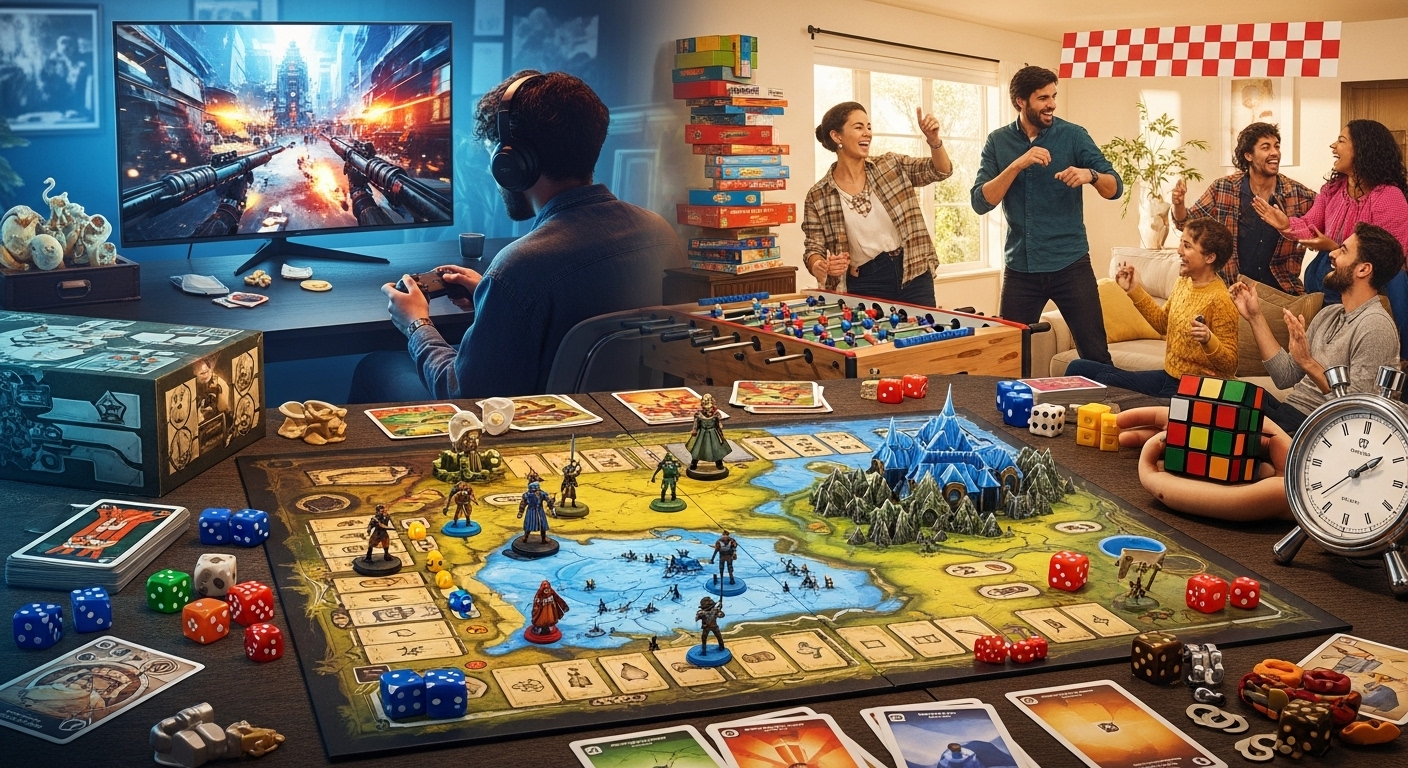
Gaming has come a long way since the early days of pixelated graphics and simple gameplay mechanics. What started as a niche hobby has transformed into a global entertainment phenomenon, captivating millions of people worldwide. The gaming industry has grown into one of the largest sectors of entertainment, surpassing even traditional forms like movies and music in terms of revenue. In this blog post, we’ll explore how gaming has evolved, its impact on culture, and where the future of gaming is headed.
The Rise of Video Games: From Arcade to Console
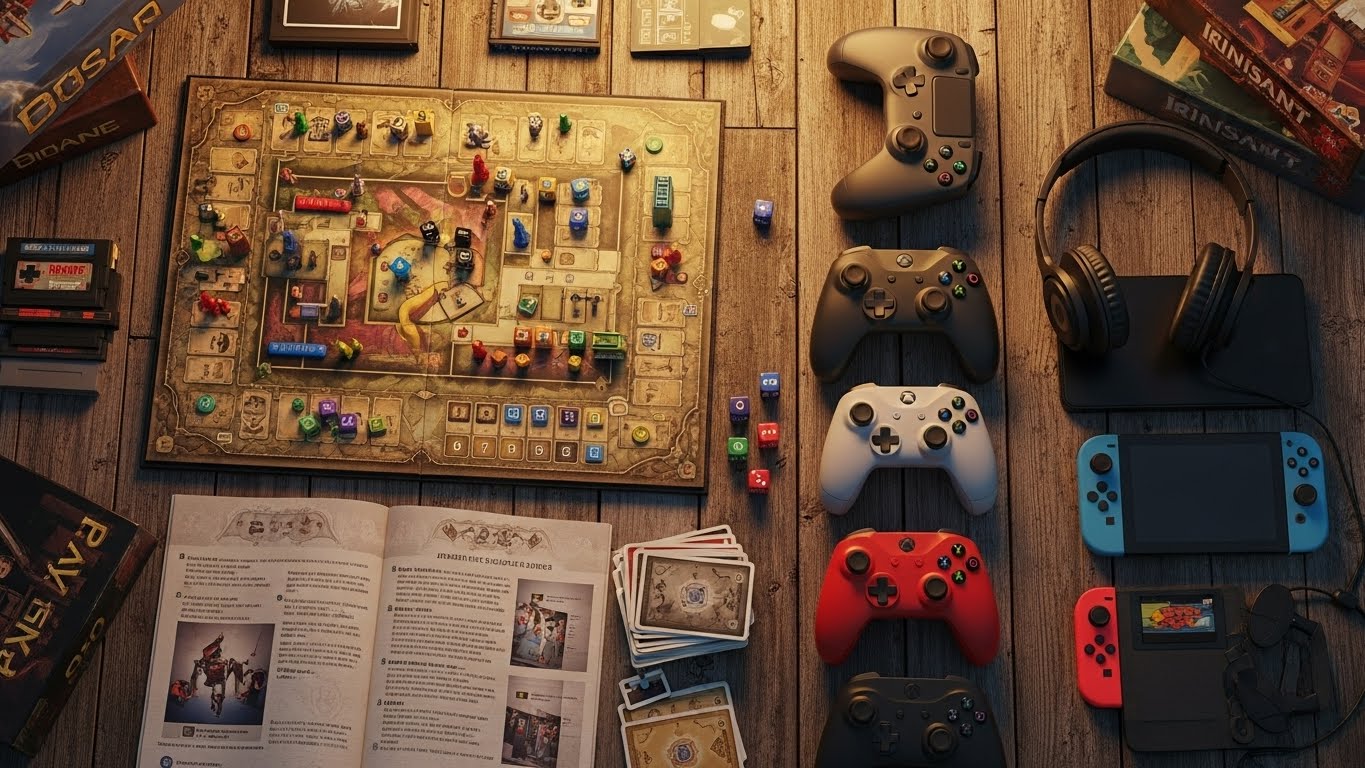
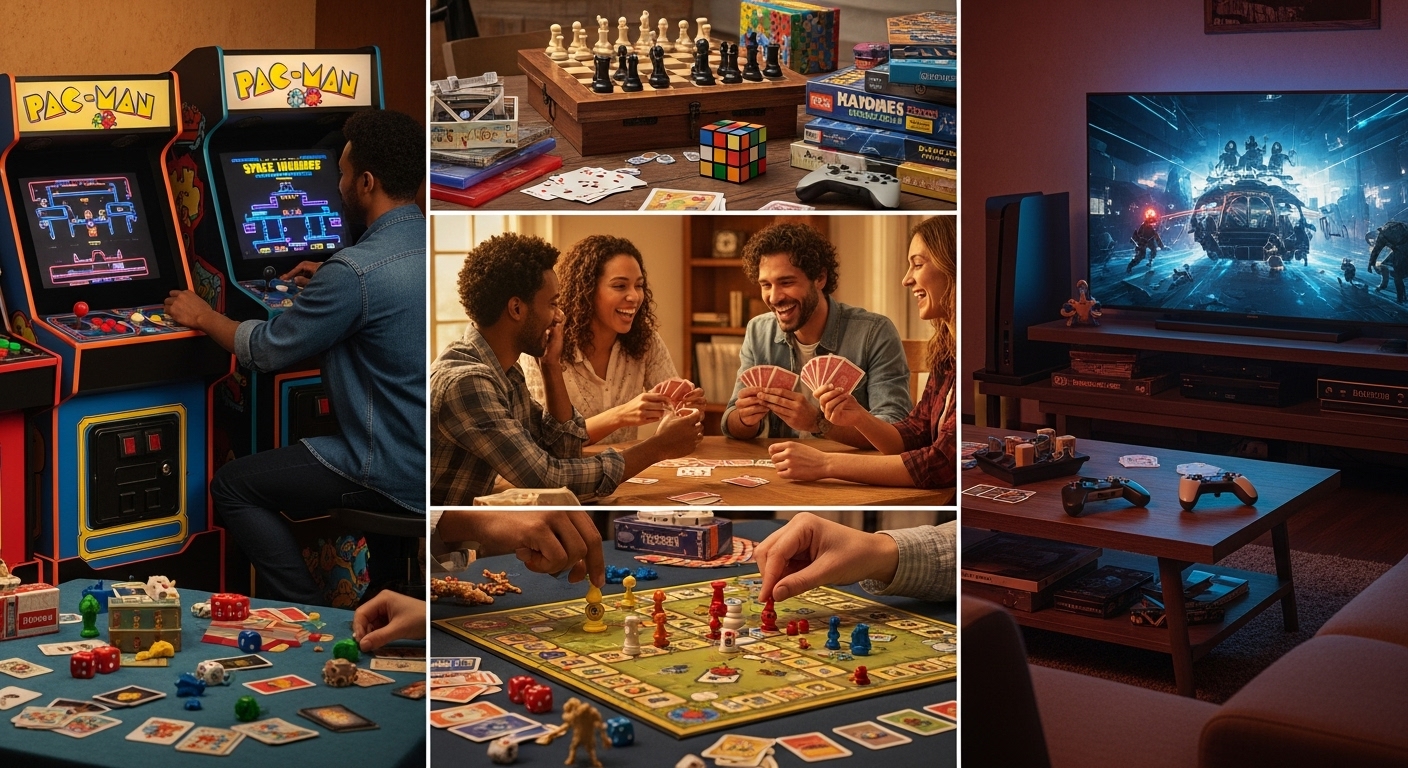
Video games have been around for decades, but it wasn’t until the late 20th century that they truly exploded into mainstream culture. The 1970s saw the rise of arcade games like Pong and Space Invaders, which gave birth to the video game industry. However, it wasn’t until the 1980s and 1990s, with the introduction of home consoles like the Nintendo Entertainment System (NES), Sega Genesis, and PlayStation, that gaming became a household activity. These consoles allowed players to experience games at home, opening the door for iconic franchises like Super Mario, Sonic the Hedgehog, and The Legend of Zelda. Today, consoles like PlayStation, Xbox, and the Nintendo Switch continue to dominate the market, offering an ever-expanding library of games that cater to every taste and skill level.
PC Gaming: A Platform for Hardcore Gamers
While consoles made gaming accessible to the masses, PC gaming has always held a special place for more serious and competitive players. The versatility of a personal computer allows for high-end graphics, customization, and performance that often outpaces consoles. Games like World of Warcraft, Counter-Strike, and League of Legends have built massive online communities and professional esports scenes. The rise of digital platforms like Steam, Epic Games Store, and GOG has revolutionized how PC gamers access and purchase games, making it easier to dive into an extensive library of titles. Furthermore, the modding community, where players can modify games to add new content or mechanics, has made PC gaming a continuously evolving platform. For those who seek the ultimate in performance and customization, PC gaming remains the gold standard.
Mobile Gaming: The Pocket-Sized Revolution
In recent years, mobile gaming has become a dominant force in the industry. Smartphones and tablets have brought gaming to the masses in a way that was previously unimaginable. Popular mobile games like Candy Crush Saga, Clash of Clans, and Pokémon Go have attracted millions of players, making gaming more accessible than ever before. With free-to-play models, in-app purchases, and social integration, mobile games cater to casual players who may not have the time or inclination to sit down for a traditional console or PC experience. Mobile gaming has not only expanded the audience for video games but also revolutionized the way games are monetized and how players engage with them. From simple puzzles to augmented reality experiences, mobile games offer a wide range of options for players on the go.
The Impact of Online Multiplayer Games
One of the most significant developments in gaming over the past two decades has been the rise of online multiplayer games. Games like Fortnite, Call of Duty, Minecraft, and Apex Legends have turned gaming into a social activity, allowing players to connect with friends and strangers from all around the world. The appeal of multiplayer games lies in their ability to create shared experiences, whether it’s battling in a virtual arena, building complex worlds, or completing missions together. Online gaming has also given rise to esports, where professional players and teams compete in tournaments with prize money, sponsorships, and worldwide recognition. The rise of streaming platforms like Twitch and YouTube Gaming has further solidified online multiplayer games as a form of entertainment, with millions of viewers watching professional gamers and influencers in real-time.
The Evolution of Game Design: From Simple Mechanics to Complex Worlds
As technology has advanced, so too has the complexity of video game design. Early video games relied on simple mechanics and pixelated graphics due to hardware limitations. However, today’s games boast stunning visuals, intricate storylines, and expansive worlds that immerse players in realistic, living environments. Games like The Witcher 3: Wild Hunt, Red Dead Redemption 2, and The Last of Us have raised the bar for storytelling in gaming, blending cinematic experiences with interactive gameplay. The use of artificial intelligence (AI) allows for more dynamic and responsive game worlds, where characters can react to player choices and change the direction of the story. Game developers now aim to create worlds that feel alive and rich with detail, offering players experiences that are both visually impressive and emotionally engaging.
The Role of Indie Games: Innovation and Creativity
While big-budget games from major studios dominate the market, indie games have carved out their own niche by focusing on creativity, innovation, and unique storytelling. Independent developers have the freedom to experiment with new ideas and mechanics without the constraints of a large corporate structure. Games like Hollow Knight, Celeste, Stardew Valley, and Undertale have become critical darlings, offering players unique experiences that push the boundaries of what video games can be. Indie games often embrace a more personal, artistic approach to game design, prioritizing emotional depth or unconventional gameplay over mass-market appeal. As digital distribution platforms like Steam and itch.io have made it easier for indie developers to release their games, the indie game scene has flourished and continues to inspire new waves of innovation in the industry.
The Future of Gaming: Virtual Reality and Beyond
The future of gaming looks increasingly immersive and interactive. Virtual reality (VR) has the potential to revolutionize how players experience games, offering a level of immersion that traditional screens can’t match. Games like Beat Saber and Half-Life: Alyx have already shown the possibilities of VR, where players can step into fully realized 3D worlds and interact with their environment using motion controls. Augmented reality (AR), as seen in games like Pokémon Go, is also pushing the boundaries of how we interact with the real world through gaming. In the future, we may see more hybrid experiences, where virtual and physical realities merge, allowing players to explore vast digital worlds while still interacting with their real-world surroundings. With the rapid development of hardware and software, the lines between gaming, entertainment, and social interaction will continue to blur.
Conclusion: Gaming as an Ever-Evolving Medium
From the days of pixelated sprites to the rise of massive open worlds, gaming has undergone a massive transformation. What started as a simple form of entertainment has become a global cultural force that transcends age, gender, and geography. With new technologies like VR, AR, and cloud gaming pushing the boundaries of what’s possible, the future of gaming promises even more exciting developments. Whether you’re a casual player enjoying mobile games or a hardcore gamer diving into expansive online multiplayer worlds, gaming continues to evolve and offer new experiences. One thing is clear: the world of games is far from stagnant, and it’s only getting more innovative and engaging with each passing year.