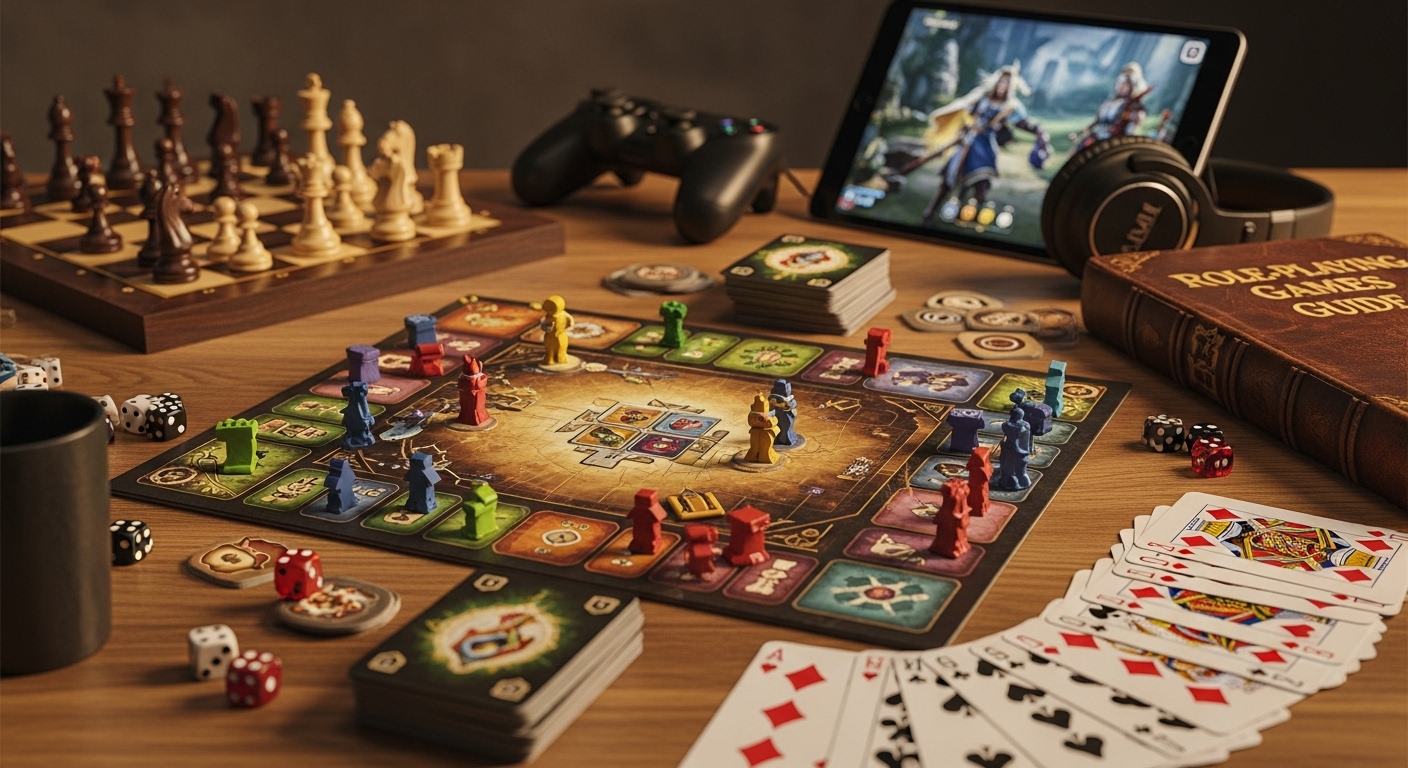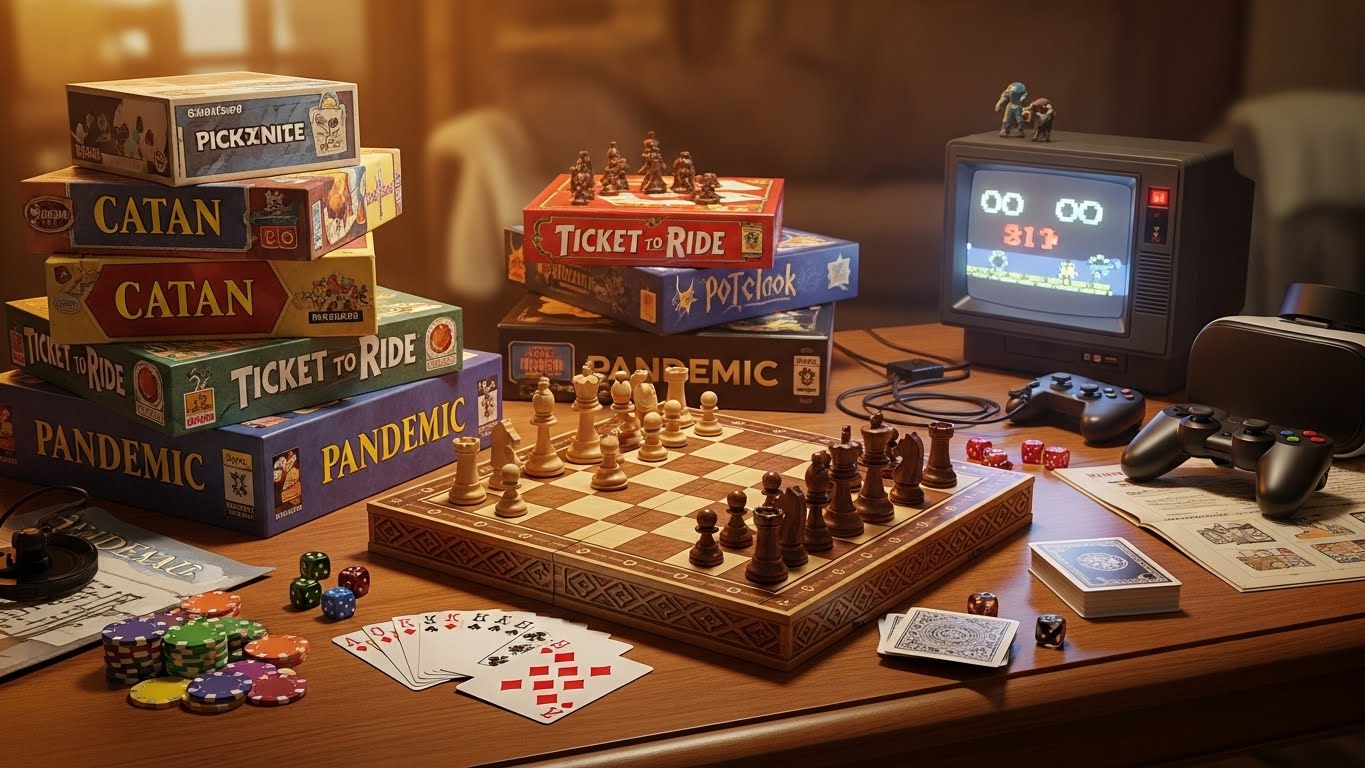


Video games have evolved from simple, pixelated pastimes into a cultural phenomenon that shapes entertainment, technology, and social interaction. Whether you’re a casual gamer or a hardcore enthusiast, the world of video games has something for everyone. From the nostalgic classics that first introduced us to gaming to the cutting-edge virtual reality experiences of today, video games offer a unique blend of creativity, challenge, and escapism.
In this blog post, we’ll explore the fascinating world of video games, their history, the different genres that have emerged over the years, and the impact they have on society and the gaming community. Whether you’re looking to dive into a new game or simply curious about the ever-growing industry, this article will provide a comprehensive overview of the power of play.
The Evolution of Video Games: A Brief History
Video games have a rich history that stretches back over half a century. While gaming as we know it today began in the 1970s, its origins can be traced to earlier experiments with computer graphics and interactive entertainment.
Early Beginnings (1950s-1970s)
The first video games were basic, experimental programs created by scientists and engineers. One of the earliest examples is Tennis for Two, created in 1958 by physicist William Higinbotham, which simulated a game of tennis on an oscilloscope screen. While primitive by today’s standards, this was one of the first instances of interactive entertainment using computers.
In the late 1960s and early 1970s, video games began to take a more recognizable form with the advent of arcade machines. The most iconic early video game is Pong, created by Atari founder Nolan Bushnell in 1972. A simple tennis-like game, Pong became a massive success and helped spark the growth of the arcade gaming industry.
The Golden Age of Arcade Games (1980s)
The 1980s are often referred to as the “Golden Age” of arcade games. This was the decade when video games became a mainstream phenomenon. Games like Pac-Man, Space Invaders, and Donkey Kong became cultural touchstones, drawing millions of players into arcades around the world.
During this period, home consoles also began to emerge, with systems like the Atari 2600 and Nintendo Entertainment System (NES) allowing players to enjoy games in the comfort of their own homes. The NES, released in 1985, became a massive success and helped solidify Nintendo as one of the key players in the gaming industry.
The Rise of 3D and the Advent of Modern Gaming (1990s-Present)
The 1990s marked a major technological leap in the gaming world with the introduction of 3D graphics. Titles like Super Mario 64 and The Legend of Zelda: Ocarina of Time on the Nintendo 64 helped define the era, showing what was possible with the new hardware capabilities. The release of the Sony PlayStation in 1994 also had a profound impact on the gaming landscape, introducing a new era of gaming with fully 3D-rendered environments and more sophisticated gameplay mechanics.
In the years that followed, consoles like the Xbox and PlayStation 2 further pushed the boundaries of what video games could achieve. Online gaming began to grow, allowing players to connect and compete with others around the world. The 2000s saw the rise of MMORPGs (Massively Multiplayer Online Role-Playing Games) like World of Warcraft, which brought thousands of players together in vast, persistent online worlds.
Today, the gaming industry is thriving, with high-definition graphics, immersive gameplay, and cutting-edge virtual reality experiences offering new ways for players to engage with their favorite games. The release of next-gen consoles like the PlayStation 5 and Xbox Series X continues to push the envelope in terms of graphics, speed, and immersion, while the Nintendo Switch appeals to fans who enjoy both portable and home gaming experiences.
The Different Genres of Video Games
One of the most exciting aspects of video games is the sheer variety of genres available. Whether you enjoy fast-paced action, deep storytelling, or strategic thinking, there is a game for you. Below, we will break down some of the most popular video game genres and what makes them unique.
Action Games
Action games are all about fast-paced, physical challenges. Players are often tasked with overcoming obstacles, defeating enemies, and completing objectives. Platformers, such as Super Mario or Sonic the Hedgehog, are a popular sub-genre of action games, where players navigate through levels by jumping, running, and avoiding hazards.
Other action games include beat ‘em ups, like Streets of Rage or Final Fight, which focus on hand-to-hand combat, and hack-and-slash games, like Devil May Cry, where players take on hordes of enemies with quick reflexes and powerful attacks.
Role-Playing Games (RPGs)
Role-playing games (RPGs) allow players to immerse themselves in fantastical worlds, take on the role of a character, and make decisions that shape the story. RPGs often feature deep narratives, character progression, and the ability to interact with a rich, detailed world.
There are two main types of RPGs: Western RPGs and Japanese RPGs (JRPGs). Western RPGs, such as The Elder Scrolls V: Skyrim or Mass Effect, tend to focus on open-world exploration and player choice, while JRPGs, like Final Fantasy or Persona, are often more linear and focus on story-driven experiences.
In addition to traditional RPGs, there are MMORPGs, which are online games where players can explore expansive virtual worlds together. World of Warcraft and Final Fantasy XIV are two of the most popular MMORPGs in the world.
First-Person Shooters (FPS)
First-person shooters are a genre that focuses on combat involving firearms and other ranged weapons, with the player experiencing the action from a first-person perspective. These games often require quick reflexes and strategic thinking, as players engage in both single-player campaigns and multiplayer combat.
Popular FPS titles include Call of Duty, Halo, and Overwatch. These games offer a variety of multiplayer modes, including team-based objectives, battle royales, and cooperative missions, allowing players to compete with or against others in fast-paced, tactical gameplay.
Adventure and Puzzle Games
Adventure games are often narrative-driven, allowing players to explore environments, solve puzzles, and interact with characters. These games tend to focus on storytelling and puzzle-solving rather than combat or action.
Classic examples of adventure games include The Legend of Zelda: Breath of the Wild, Uncharted, and Tomb Raider. Puzzle games like Tetris, Portal, and The Witness challenge players’ intellect and creativity as they solve increasingly complex challenges to progress.
Sports and Racing Games
Sports and racing games are a genre that simulates real-world sports and competitions. These games often feature realistic graphics and physics engines to create an authentic experience.
Popular sports games include FIFA, Madden NFL, and NBA 2K, while racing games like Mario Kart, Gran Turismo, and Need for Speed allow players to compete in high-speed, adrenaline-fueled races.
Strategy Games
Strategy games require players to plan and think critically, often involving resource management, tactical combat, and decision-making. There are two main types of strategy games: turn-based and real-time.
Turn-based strategy games like Civilization and XCOM give players time to think and plan their moves before executing them. In contrast, real-time strategy games (RTS), such as StarCraft and Age of Empires, require quick thinking and fast decision-making as players build bases, gather resources, and engage in combat.
The Social Impact of Video Games
Beyond entertainment, video games have a profound impact on society. Over the years, games have become a way for people to connect, communicate, and collaborate with others. The social aspects of gaming have contributed to the rise of online multiplayer experiences and esports, which have created vibrant global communities.
Video games also play an important role in education, with titles like Minecraft and Kerbal Space Program being used in classrooms to teach subjects like mathematics, science, and engineering. Gamification, the application of game mechanics in non-game contexts, is another growing trend, with companies using game-like elements to engage employees, improve productivity, and enhance learning experiences.
Additionally, video games have become a platform for storytelling and artistic expression. Games like The Last of Us, Journey, and Red Dead Redemption 2 are not just about gameplay; they are works of art that explore complex themes and emotions, pushing the boundaries of what video games can achieve as a medium for storytelling.
The Future of Video Games
The future of video games looks incredibly exciting, with new technologies continuing to reshape the industry. Virtual reality (VR) and augmented reality (AR) are expected to play a significant role in the next generation of gaming, offering more immersive and interactive experiences. In addition, cloud gaming is poised to revolutionize how players access and enjoy games, as platforms like Google Stadia and Xbox Cloud Gaming allow players to stream games directly to their devices without the need for powerful hardware.
As technology advances, the line between video games and other forms of entertainment, such as movies and television, will continue to blur. We may see more interactive and narrative-driven experiences that combine the best elements of gaming, film, and television.