
Introduction: The Timeless Appeal of Games
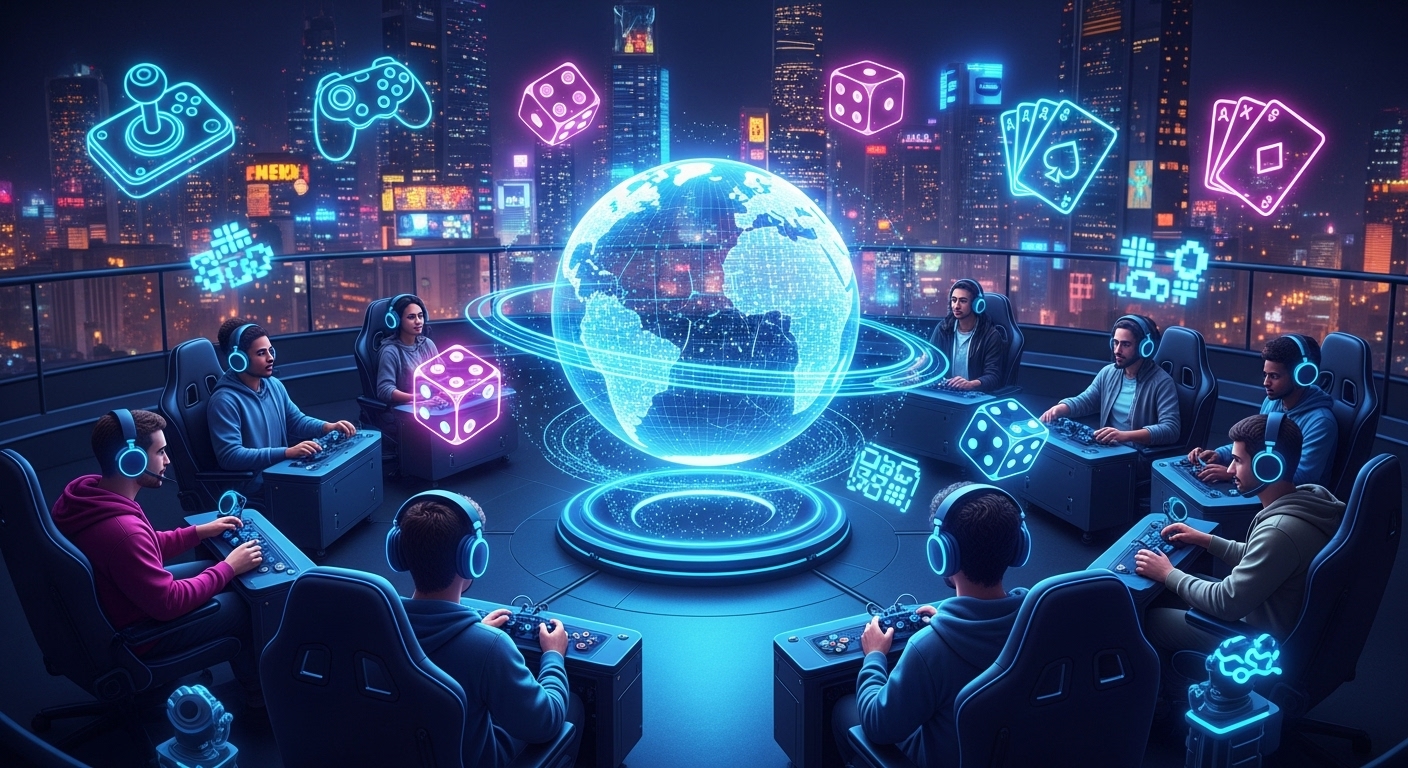
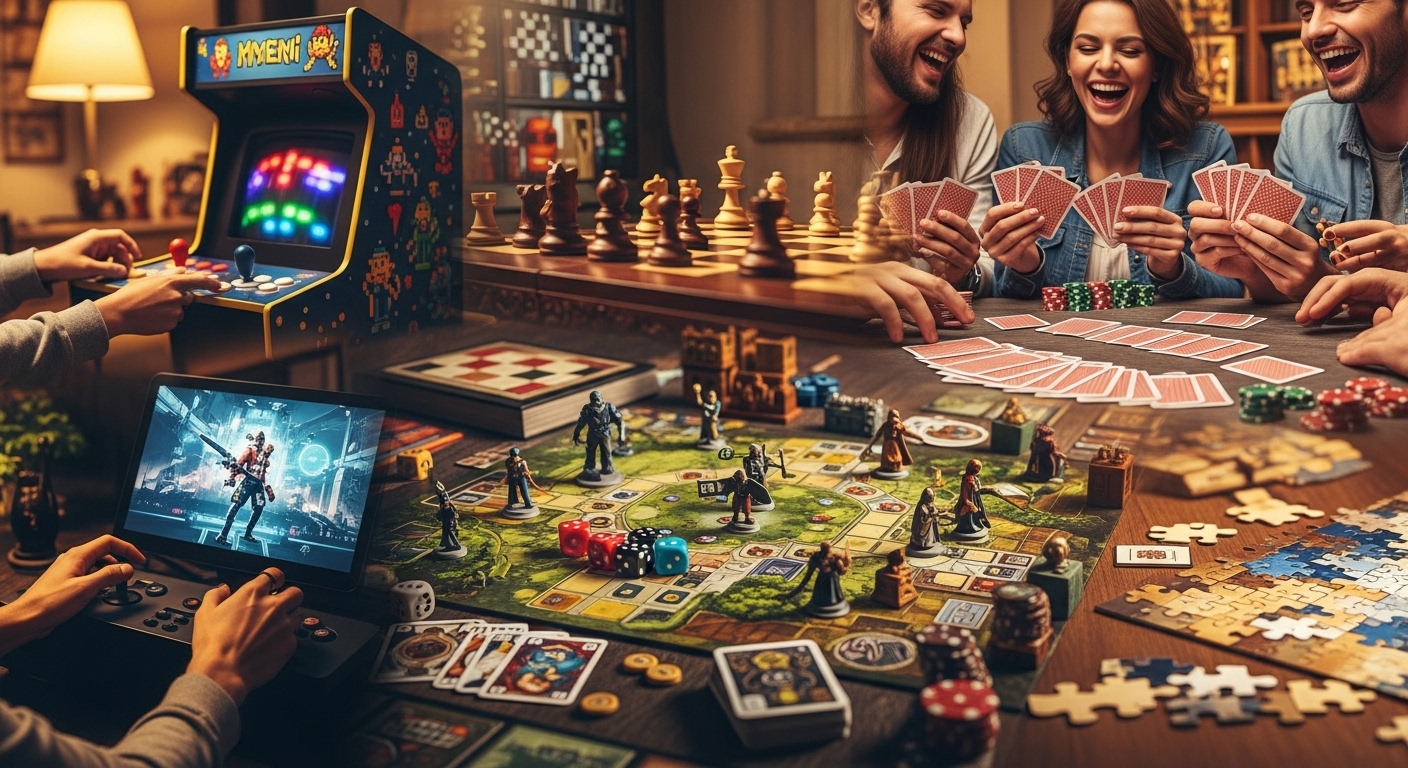
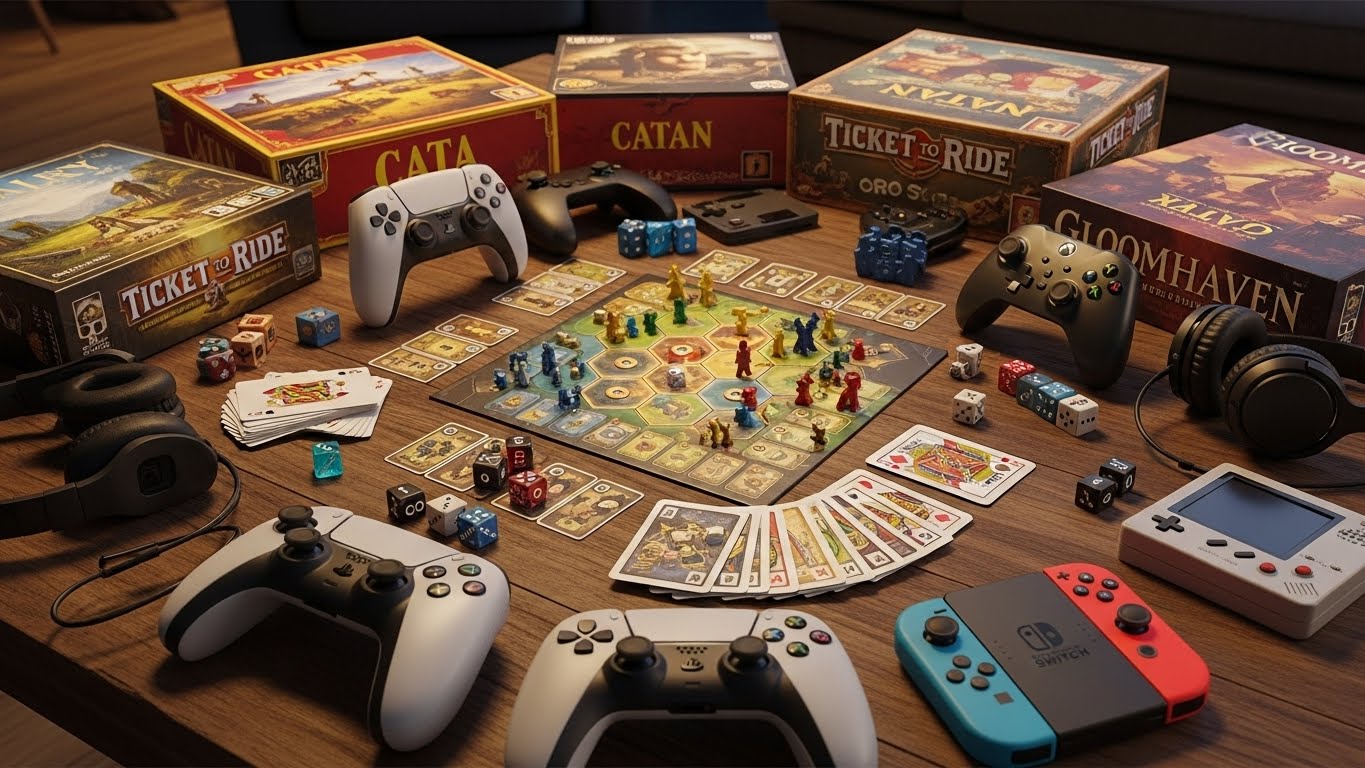
Games have always been a core part of human culture. From ancient civilizations where games like Senet and Go provided intellectual challenges to modern-day digital experiences that offer immersive worlds and complex narratives, games have evolved in countless ways. What started as a simple form of entertainment has blossomed into an entire industry, shaping everything from technology to social dynamics, learning, and even culture. This blog explores how games have evolved over time, their impact on society, and what the future holds for the gaming world.
The Origins of Games: From Ancient Civilizations to Strategic Play
The history of games can be traced back to the earliest human societies. Some of the oldest known games include board games like Senet, which dates back to ancient Egypt around 3100 BC, and the Royal Game of Ur from Mesopotamia, which was played over 5,000 years ago. These early games were not just for entertainment—they often had spiritual or symbolic meanings. For example, Senet was believed to represent the journey of the soul through the afterlife, while the Royal Game of Ur had a structure that mirrored battle tactics and strategy.
As civilizations advanced, so did the complexity of games. The introduction of chess in India around the 6th century AD marked the beginning of strategic board games that would spread across the world. Chess, along with games like Go and backgammon, laid the foundation for many of the strategic elements that would later emerge in video games. These early games were about more than just fun; they were intellectual exercises, teaching players to think critically, plan ahead, and make decisions based on probability and foresight.
The Rise of Video Games: A New Era of Interactive Entertainment
The dawn of the video game age in the mid-20th century changed the landscape of gaming forever. What began as basic interactive experiments, like William Higinbotham’s “Tennis for Two” in 1958, quickly evolved into the arcade games of the 1970s and 1980s. Iconic games such as Pong, Space Invaders, and Pac-Man marked the birth of video gaming as we know it today. The arcade era, with its bright screens, simple controls, and competitive high-score boards, introduced gaming to the public in a way that was both thrilling and social.
The introduction of home consoles in the late 1970s and early 1980s, such as the Atari 2600 and the Nintendo Entertainment System, brought video gaming into homes around the world. These consoles made gaming more accessible, allowing people to play without needing to go to an arcade. By the late 1980s and 1990s, games had moved beyond simple 2D graphics and began to introduce more sophisticated storylines, characters, and 3D worlds. Franchises like Super Mario Bros., The Legend of Zelda, and Final Fantasy became household names, and gaming evolved from a pastime into a global cultural force.
Mobile Gaming: Revolutionizing Accessibility and Engagement
The advent of mobile phones, particularly smartphones, marked another massive shift in the gaming world. The release of the iPhone in 2007 and the subsequent rise of the app store made gaming available on the go. Mobile gaming opened up gaming to millions of people who had never previously considered themselves gamers. Titles like Angry Birds, Candy Crush Saga, and Pokémon Go introduced new audiences to gaming, showing that it didn’t need to be confined to consoles or PCs.
Mobile gaming also introduced the concept of free-to-play games, where players could download and play games for free but purchase in-game items or upgrades. This model dramatically changed the way games were monetized and opened up a new avenue for game developers to make money. The accessibility of mobile gaming also made it possible for people to engage with games in short, casual sessions, allowing them to enjoy gaming in between daily activities such as commuting or waiting in line.
In many ways, mobile gaming has democratized gaming, making it accessible to everyone with a smartphone. Mobile games are often designed to be simple and addictive, which appeals to both casual and dedicated gamers. Games like Clash of Clans and Fortnite have blurred the lines between casual and competitive gaming, showing that mobile platforms can support games that are both complex and highly competitive.
eSports: The Professionalization of Gaming
One of the most significant developments in the gaming world in recent years is the rise of eSports. Competitive gaming, once confined to local tournaments or friendly rivalries, has exploded into a global phenomenon. Titles like League of Legends, Dota 2, and Counter-Strike: Global Offensive now have professional players, coaches, and analysts, with tournaments that offer multi-million-dollar prize pools. eSports has become a spectator sport, with live broadcasts of tournaments attracting millions of viewers on platforms like Twitch and YouTube.
The growth of eSports has also turned gaming into a legitimate career for many players. Professional gamers now earn salaries, sponsorships, and endorsements, while eSports organizations have grown into multimillion-dollar businesses. The rise of eSports also means that gaming is now recognized as a competitive skill, on par with traditional sports. In fact, many universities have introduced eSports programs, offering scholarships to talented players and preparing them for professional careers in the gaming industry.
The Social Aspect of Gaming: Building Communities
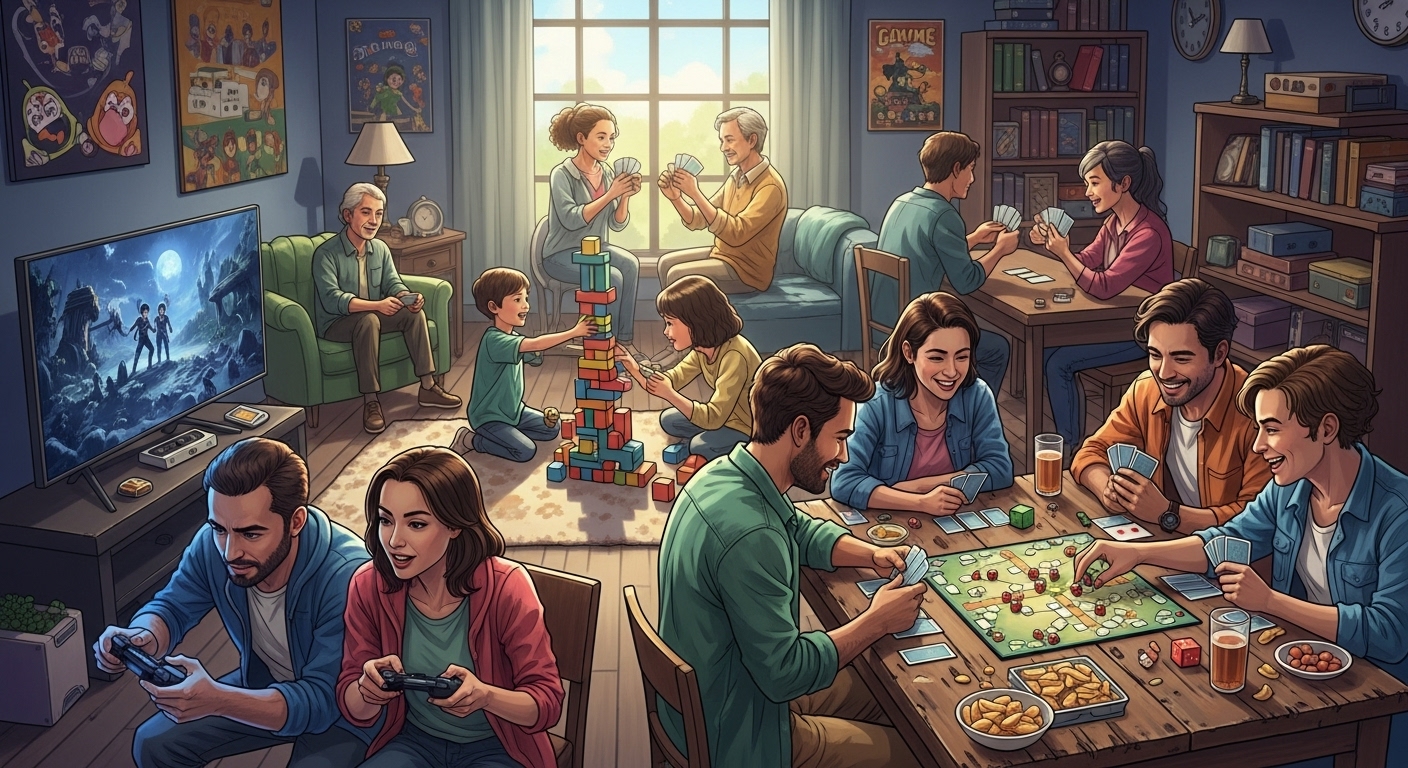
One of the most powerful aspects of gaming is its ability to bring people together. Multiplayer games, whether cooperative or competitive, create communities where players can work together, compete, and form friendships. Online gaming has allowed people from different countries and cultures to meet and collaborate in virtual spaces. Games like World of Warcraft, Fortnite, and Minecraft have millions of active users, and the social aspect of these games is a huge draw.
Online multiplayer games have also given rise to “guilds,” “clans,” and “teams,” where players communicate and strategize together. The social interactions in these games help build strong, often lifelong, friendships. For many people, gaming is not just about the game itself; it’s about the community and the sense of belonging it provides. This aspect of gaming has transformed it from a solitary activity into a social one, where players work and play together, even if they are geographically far apart.
The Educational Power of Games
In recent years, games have also gained recognition as valuable tools for education. Educational games, both digital and physical, have been used in schools to teach everything from mathematics and language arts to science and history. Games like Minecraft have been integrated into classrooms to teach creativity, problem-solving, and collaboration. Game-based learning has been shown to improve student engagement and retention by making learning more interactive and fun.
Simulations and strategy games are also powerful educational tools. Games like SimCity and Civilization encourage players to think critically about economics, politics, and resource management. Kerbal Space Program has even helped teach players about physics and space travel by allowing them to design and launch rockets. The use of games in education has opened up new possibilities for teaching and learning, allowing students to explore complex subjects in a hands-on, immersive way.
The Future of Gaming: Virtual Reality, Artificial Intelligence, and the Metaverse
As gaming technology continues to advance, the future of gaming looks incredibly exciting. Virtual reality (VR) is one of the most anticipated developments in gaming. VR offers players the opportunity to immerse themselves completely in digital worlds, making gaming more interactive and lifelike than ever before. Titles like Beat Saber and Half-Life: Alyx have demonstrated the potential of VR, but we are just scratching the surface. As VR technology improves, we can expect even more immersive and realistic experiences.
Artificial intelligence (AI) is another area that is poised to revolutionize gaming. AI can be used to create more dynamic and responsive characters, allowing for more realistic interactions in games. It can also be used to personalize gaming experiences, adapting the game world to the player’s preferences and actions. As AI continues to improve, we will likely see more games that adapt to the player’s choices in real-time, offering unique, ever-changing experiences.
Another exciting development is the concept of the metaverse, a shared virtual world where players can socialize, create, and experience digital environments together. Companies like Meta (formerly Facebook) are investing heavily in the creation of the metaverse, which could revolutionize not only gaming but how we interact with digital environments. In the metaverse, players could live out their digital lives, from attending virtual concerts to creating virtual businesses. The future of gaming will likely be a blend of entertainment, socialization, and creativity, where players have more freedom than ever before to explore, create, and connect.
Conclusion: Games as a Cultural and Technological Force
Games have come a long way since their humble beginnings in ancient civilizations. What started as simple pastimes have evolved into a multifaceted industry that spans entertainment, education, and professional competition. Today, games offer a unique blend of art, technology, and human connection, shaping how we interact with each other and the world around us.
As technology continues to advance, the potential for gaming is limitless. From virtual reality and artificial intelligence to the creation of the metaverse, the future of gaming promises new, exciting experiences that will continue to engage and inspire players worldwide. Games are no longer just a form of entertainment; they are a global cultural force, with the power to connect, educate, and entertain in ways that no other medium can. The world of gaming is only just beginning, and it’s a world that will continue to grow, evolve, and captivate for generations to come.