
Introduction: The Enduring Allure of Games
Games have been a central part of human culture for centuries. From ancient civilizations that enjoyed games of strategy and chance to the modern digital landscapes that have reshaped how we engage with games, this form of entertainment has evolved in ways unimaginable to past generations. Games are more than just a way to pass the time—they are a reflection of human creativity, social behavior, and technological innovation. In this blog post, we will explore the journey of games, from their ancient origins to their role in contemporary society, and we will look ahead at the trends shaping the future of gaming.
The Ancient Roots of Games
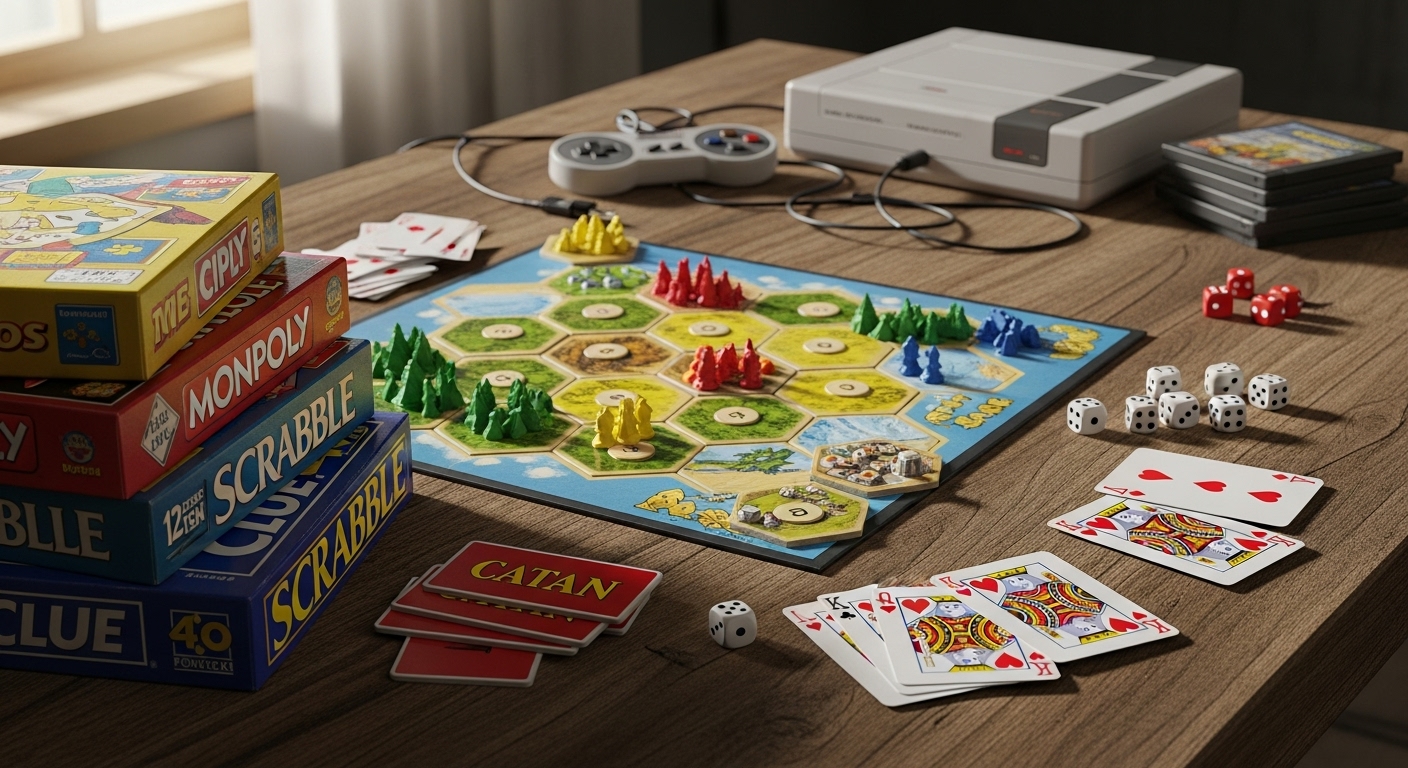
The history of games is deeply entwined with the development of human civilization. The oldest known game, Senet, dates back to 3100 BC in ancient Egypt, where it was used both as a pastime and a ritualistic tool. Early games were often more than just entertainment—they had social, educational, and even spiritual significance. The Royal Game of Ur, another ancient game, was played by Mesopotamians over 5,000 years ago. It was a race-style game, similar to backgammon, that combined luck and strategy. Games like chess, Go, and backgammon became staples of intellectual engagement in various societies, offering not only enjoyment but also lessons in strategy, leadership, and foresight.
As civilizations evolved, so did the complexity and variety of games. Games like Mahjong in China and chess in India were designed to challenge players’ mental faculties, while others like soccer and wrestling incorporated physical skill. Over time, games spread across cultures and continents, adapting to the values and customs of different societies.
The Birth of Modern Gaming: A Digital Revolution
While games existed in various forms for millennia, the digital revolution of the 20th century transformed them into a mainstream global industry. The first video game, Tennis for Two, was created in 1958 by physicist William Higinbotham. It was a simple simulation of tennis, displayed on an oscilloscope screen, but it laid the foundation for the gaming world to come. In 1972, Pong—a simplistic two-player table tennis game—was released as an arcade game, marking the beginning of the video game era. This was the first commercially successful video game, sparking the arcade boom that would dominate the 1970s and 1980s.
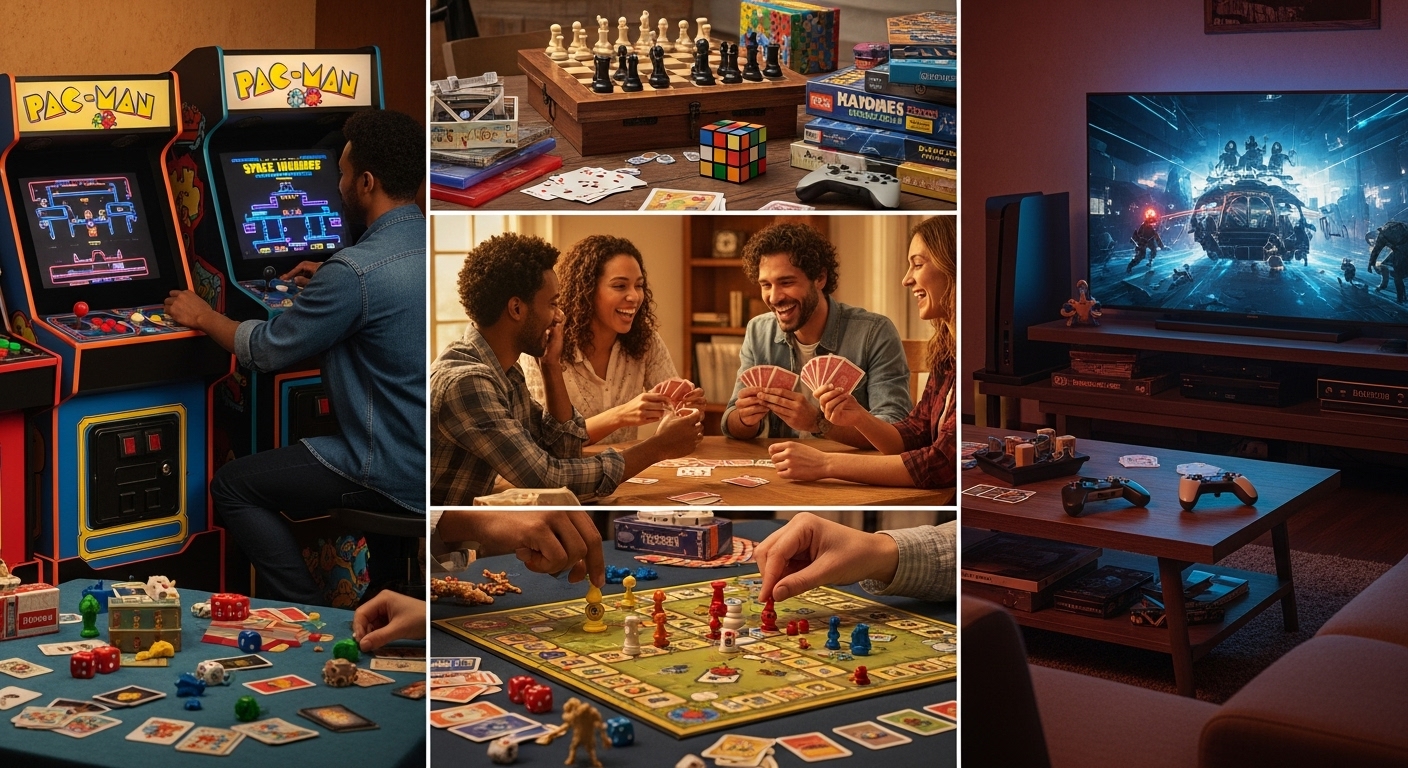
The rise of home consoles, such as the Atari 2600 in 1977 and the Nintendo Entertainment System (NES) in 1985, brought video games into homes across the globe. These systems enabled families to enjoy gaming in the comfort of their living rooms. Iconic games like Super Mario Bros., Pac-Man, and The Legend of Zelda became household names, drawing players into immersive, interactive worlds.
By the 1990s, gaming technology had advanced significantly, allowing for 3D graphics, enhanced sound, and more sophisticated gameplay mechanics. With the release of the Sony PlayStation and Nintendo 64, games began to offer deeper narratives, larger worlds, and greater player autonomy. Franchises like Final Fantasy and The Elder Scrolls offered rich, immersive stories, and gaming had firmly established itself as a form of entertainment on par with movies and music.
The Digital Age: The Rise of Online and Mobile Gaming
As the internet began to connect the world in the late 1990s and early 2000s, gaming experienced another transformative shift. Online multiplayer games like Warcraft and EverQuest allowed players to engage with others in real time across vast virtual landscapes. World of Warcraft, released in 2004, became one of the most successful massively multiplayer online role-playing games (MMORPGs) in history, drawing millions of players into its expansive world.
The 2000s also saw the rapid rise of mobile gaming. With the advent of smartphones and app stores, gaming became more accessible than ever. Casual games like Angry Birds, Candy Crush Saga, and Clash of Clans brought gaming into the hands of people who may not have considered themselves gamers before. These mobile games, often free-to-play with in-app purchases, were designed to be easy to pick up, quick to play, and highly addictive. Mobile gaming democratized the gaming experience, making it available to anyone with a smartphone and changing the way people interacted with games.
eSports: The Competitive Edge of Gaming
One of the most significant developments in recent years has been the rise of eSports—competitive, organized video game competitions that have turned gaming into a spectator sport. Professional eSports tournaments attract large audiences, with millions tuning in online to watch live broadcasts of games like League of Legends, Dota 2, and Counter-Strike. eSports is now a multi-billion-dollar industry, with players and teams earning substantial salaries, sponsorships, and prizes.
The eSports ecosystem includes professional players, coaches, analysts, and event organizers, much like traditional sports leagues. Major events such as The International (for Dota 2) and the League of Legends World Championship are watched by millions around the world. These tournaments not only showcase the skill and teamwork required to compete at the highest level but also bring communities together, fostering a sense of camaraderie and shared passion among fans.
As the eSports industry continues to grow, it has led to the recognition of gaming as a professional sport. Universities and colleges are offering scholarships for eSports players, and gaming leagues are even becoming an integral part of many high schools. This professionalization of gaming has legitimized it as a career path for those with the talent and drive to succeed in competitive gaming.
The Social Impact of Gaming: More Than Just Fun
Games are not just about entertainment; they have far-reaching social, educational, and psychological impacts. The gaming community is one of the most diverse and global in the world, with players from all backgrounds, cultures, and demographics coming together to share experiences. Multiplayer games, whether cooperative or competitive, provide a platform for social interaction, where players can form friendships, collaborate on missions, and compete for high scores.
Moreover, the power of games extends beyond mere socialization. Games have increasingly been recognized for their educational potential. Minecraft, for example, is used in classrooms to teach everything from engineering principles to history. The game’s sandbox environment allows players to build structures, solve puzzles, and explore creative solutions to problems. Similarly, games like SimCity and Civilization have been used to teach players about urban planning, politics, and economics, offering an engaging and interactive way to learn complex concepts.
Psychologically, games fulfill several human needs. They offer a sense of achievement, allow for self-expression, and provide an escape from the real world. Many people find that gaming can be therapeutic, allowing them to unwind, de-stress, and connect with others in a low-pressure environment. The immersive worlds of games allow players to experience different narratives, identities, and experiences, which can help foster empathy and understanding.
The Future of Gaming: Virtual Reality, Artificial Intelligence, and Beyond
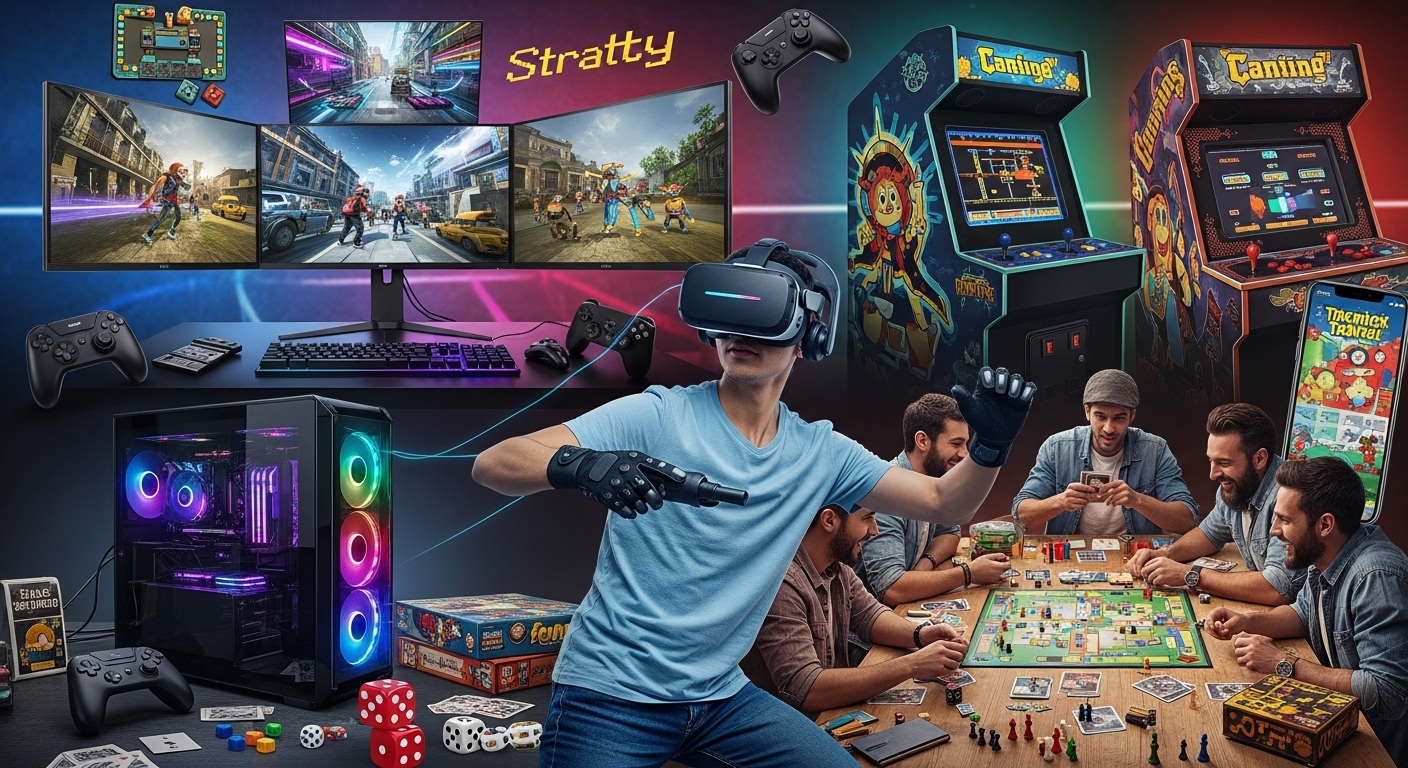
The future of gaming is poised to be even more exciting and transformative. Virtual reality (VR) and augmented reality (AR) are at the forefront of this change. VR gaming, powered by headsets like the Oculus Rift and HTC Vive, immerses players into entirely virtual environments, offering a level of engagement and interactivity that traditional gaming cannot match. Games like Beat Saber and Half-Life: Alyx have shown the immense potential of VR, and as the technology becomes more affordable and accessible, we can expect a whole new generation of games to take full advantage of these immersive platforms.
Artificial intelligence (AI) is another area of growth in gaming. AI is being used to create smarter non-player characters (NPCs) that can learn from and adapt to players’ actions. This creates more dynamic and unpredictable game worlds, offering an experience that feels fresh and new every time a player engages with the game. As AI continues to advance, we can expect games to become more responsive to player choices, leading to deeper, more personalized experiences.
The concept of the metaverse—a fully immersive, interconnected virtual world—is also gaining traction. Companies like Meta (formerly Facebook) are investing heavily in creating shared digital spaces where people can socialize, work, and play. In the metaverse, games will likely play a significant role, providing players with the opportunity to explore new worlds, meet people, and experience new forms of entertainment. The metaverse promises to blur the line between the physical and digital worlds, creating a seamless integration of virtual experiences into everyday life.
Conclusion: Games as a Cultural and Technological Force
Games have come a long way since their humble beginnings in ancient times. Today, they are an integral part of our social fabric, cultural expression, and technological progress. From providing entertainment and social connection to driving advancements in technology and education, games have a unique power to influence our lives in profound ways.
As technology continues to advance, the future of gaming looks brighter than ever. Virtual reality, artificial intelligence, and the metaverse are just the beginning of the next wave of gaming innovation. With its growing impact on society and culture, gaming is no longer just a form of entertainment—it’s a powerful force for creativity, community, and technological progress. As we look ahead, one thing is clear: the world of gaming is evolving at an unprecedented pace, and its potential is limitless.