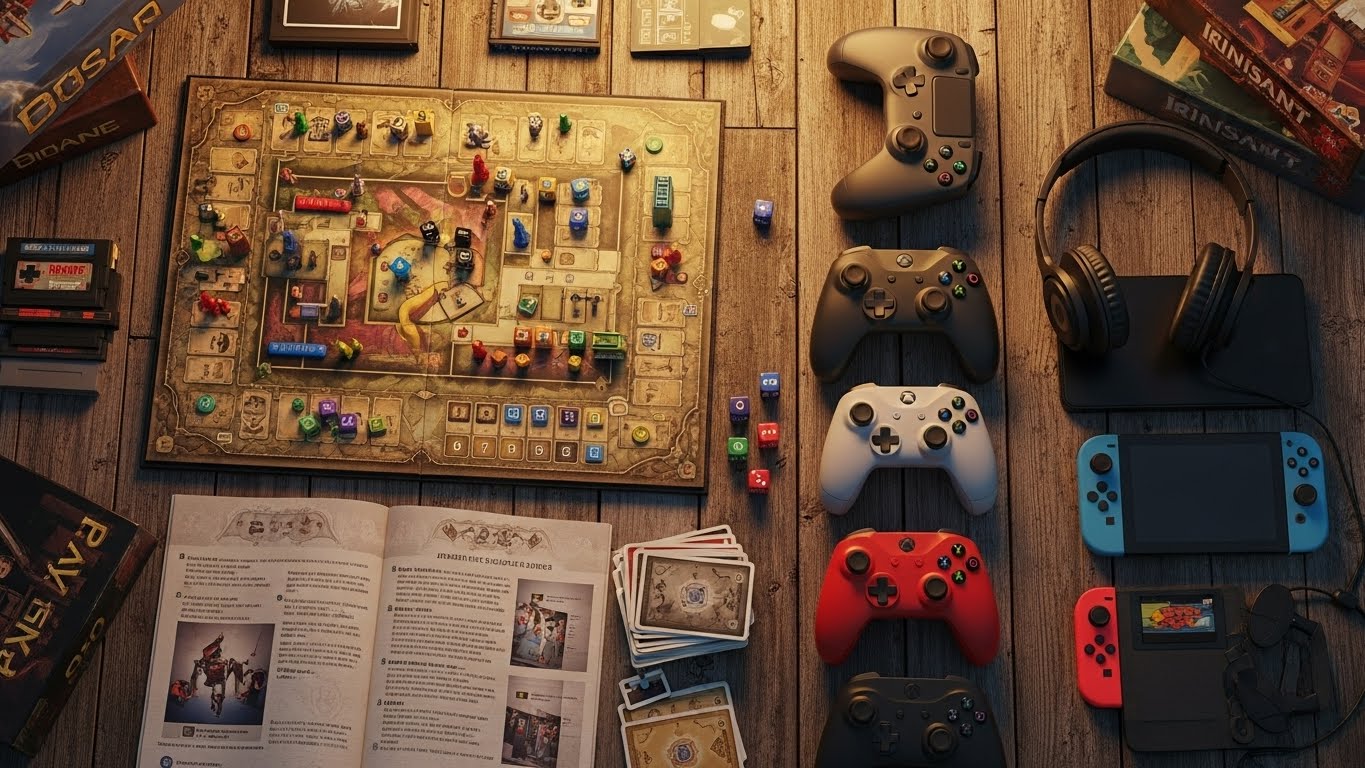

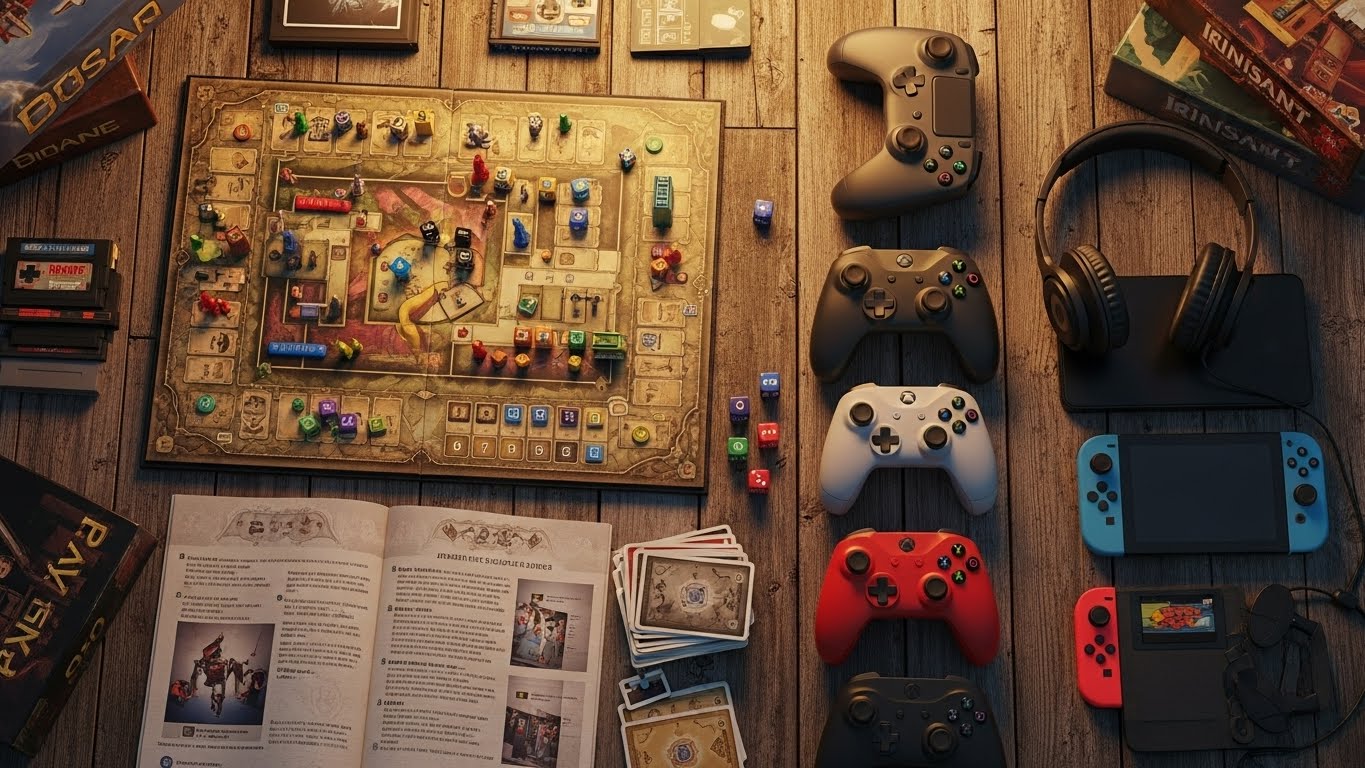
Games have become an integral part of modern culture, transcending their early days as simple pastimes to emerge as a complex, multi-billion-dollar industry. From arcade cabinets to sophisticated consoles, PCs, and mobile devices, the world of games continues to evolve, pushing the boundaries of technology, storytelling, and social interaction. Gaming is no longer just about entertainment; it influences education, social behaviors, professional competition, and even cultural trends. This blog explores the expansive world of games, their evolution, genres, impact on society, technological innovations, and the trends shaping the future.
The Evolution of Games
The story of games begins decades ago, with the first digital experiments appearing in the mid-20th century. Early games were simple, often consisting of geometric shapes and basic interactions. Titles such as Pong and Space Invaders in the 1970s introduced the concept of interactive entertainment to a wider audience, primarily in arcades. These games emphasized reflexes, competition, and high scores, capturing the imaginations of players and paving the way for home consoles.
The 1980s marked the rise of home gaming systems, including the Nintendo Entertainment System and Sega Genesis. Games during this period focused on engaging stories, memorable characters, and challenging gameplay. Franchises like Super Mario Bros., The Legend of Zelda, and Sonic the Hedgehog became household names, creating a foundation for modern gaming culture.
The 1990s introduced advanced graphics, 3D environments, and complex narratives. With the emergence of personal computers as gaming platforms, titles like Doom and Final Fantasy VII pushed creative and technological boundaries. Multiplayer experiences also started gaining traction, allowing players to compete or cooperate in virtual environments. The 2000s continued this evolution with high-definition graphics, motion controls, online multiplayer networks, and immersive gameplay. Consoles like PlayStation 2, Xbox, and Nintendo Wii transformed gaming into a more accessible and engaging medium for players of all ages.
In recent years, mobile gaming and cloud-based platforms have revolutionized the industry. Mobile games provide casual experiences accessible anywhere, while cloud gaming allows high-quality titles to run on devices without powerful hardware. Virtual reality and augmented reality technologies offer entirely new ways to interact with games, creating immersive experiences that were once only imaginable.
The Diversity of Game Genres
One of the reasons gaming appeals to millions worldwide is its variety. There is a genre for nearly every taste, allowing players to experience different worlds, challenges, and emotions.
Action Games
Action games are characterized by fast-paced gameplay, physical challenges, and reflex-based mechanics. Players navigate obstacles, engage in combat, and react quickly to changing scenarios. Popular action titles include Grand Theft Auto, Devil May Cry, and Assassin’s Creed. This genre often blends narrative storytelling with high-energy gameplay, creating adrenaline-filled experiences.
Role-Playing Games
Role-playing games (RPGs) immerse players in expansive worlds with rich stories and complex characters. Players often make decisions that affect the game’s outcome while developing their characters’ skills and abilities. The Elder Scrolls V: Skyrim, Final Fantasy, and The Witcher series exemplify the genre, offering epic quests and deep lore. RPGs combine exploration, strategy, and narrative depth, appealing to players seeking more than just action.
Shooter Games
Shooter games involve combat using firearms or other ranged weapons. They can be first-person shooters, where players see the action through the character’s eyes, or third-person shooters with a broader perspective. Call of Duty, Overwatch, and Counter-Strike are leading examples, emphasizing accuracy, strategy, and teamwork. Multiplayer shooters, in particular, are cornerstones of competitive gaming and esports.
Strategy Games
Strategy games challenge players to plan, make decisions, and manage resources to achieve objectives. These can be turn-based or real-time, requiring critical thinking and foresight. Titles like Civilization, Age of Empires, and StarCraft demand careful management and strategic foresight. Players enjoy these games for their intellectual challenge and the satisfaction of outsmarting opponents.
Sports and Racing Games
Sports and racing games simulate real-world activities such as football, basketball, soccer, and motorsports. They offer both competitive and casual experiences. FIFA, NBA 2K, Gran Turismo, and Forza Horizon are popular franchises in this genre. Realistic graphics, accurate simulations, and multiplayer modes make these games appealing to sports enthusiasts and casual gamers alike.
Simulation Games
Simulation games allow players to experience real-world activities or manage virtual systems. Life simulations like The Sims, business simulations like SimCity, and flight simulators like Microsoft Flight Simulator provide a balance of entertainment and strategy. Players enjoy experimenting with different scenarios and seeing the outcomes of their decisions.
Puzzle and Casual Games
Puzzle and casual games are often simple to learn but challenging to master. They include logic puzzles, pattern recognition games, and mobile apps designed for quick sessions. Titles like Tetris, Candy Crush, and Monument Valley appeal to casual gamers, offering engaging experiences without long time commitments.
Horror Games
Horror games focus on creating tension, fear, and suspense. They immerse players in eerie environments, often challenging them to survive against unknown threats. Resident Evil, Silent Hill, and Amnesia: The Dark Descent provide intense experiences, combining storytelling with psychological and jump-scare elements.
The Social and Cultural Impact of Games
Games are no longer solitary activities; they foster social connections, professional opportunities, and even educational outcomes.
Online Communities and Social Connectivity
Online multiplayer games have created global communities where players form friendships, collaborate, and compete. Platforms such as MMORPGs, team-based shooters, and co-op games enable people to connect beyond geographic boundaries. These communities often foster long-term social bonds, with shared experiences becoming a central part of players’ social lives.
Esports and Competitive Gaming
Esports has transformed gaming into a professional pursuit. Competitive players participate in global tournaments, attracting millions of viewers and substantial prize money. Games like League of Legends, Dota 2, and Fortnite have established professional leagues, sponsorships, and streaming platforms. Esports has created career paths not only for players but also for coaches, analysts, commentators, and content creators.
Educational and Therapeutic Applications
Games have educational value, teaching skills like problem-solving, critical thinking, and collaboration. Educational games introduce concepts in an interactive manner, making learning more engaging. Additionally, games are increasingly used in therapy to manage mental health, reduce anxiety, and assist in rehabilitation. Virtual reality and interactive gameplay can create controlled environments for exposure therapy and skill development.
Technological Innovations in Gaming
The gaming industry thrives on technology, constantly pushing boundaries to improve the player experience.
Virtual Reality and Augmented Reality
VR and AR are revolutionizing how players interact with games. VR immerses players in fully interactive 3D worlds, while AR overlays digital elements onto the real world. Both technologies expand possibilities for storytelling, gameplay, and social interaction.
Cloud Gaming
Cloud gaming allows players to stream games directly from servers without the need for high-end hardware. This makes gaming more accessible, enabling players to enjoy sophisticated games on devices that could not traditionally run them.
Artificial Intelligence
Artificial intelligence enhances game design and player experience. AI-driven opponents create realistic challenges, while procedural generation produces vast, dynamic worlds. AI is also used to personalize gameplay and optimize difficulty levels based on player behavior.
The Future of Gaming
The future of gaming promises even more innovation, connectivity, and immersive experiences. Cloud platforms, virtual reality, and AI-driven gameplay will continue to redefine the boundaries of what games can offer. Social gaming and cross-platform experiences will foster stronger communities, while esports and professional gaming continue to gain legitimacy and mainstream recognition. Additionally, games will play an increasingly prominent role in education, training, and therapy, demonstrating the medium’s versatility beyond entertainment.
Conclusion
The world of games has transformed dramatically over the past decades, evolving from simple digital pastimes into sophisticated forms of entertainment, education, and social interaction. Games provide unique experiences tailored to diverse audiences, offering challenges, creativity, and community. With technological innovations, expanding genres, and the growing influence of professional gaming, the industry is poised to continue shaping modern culture. Games are no longer just a form of leisure—they are a powerful medium that reflects creativity, technology, and human connection, defining the way people engage, learn, and communicate in the digital era.