

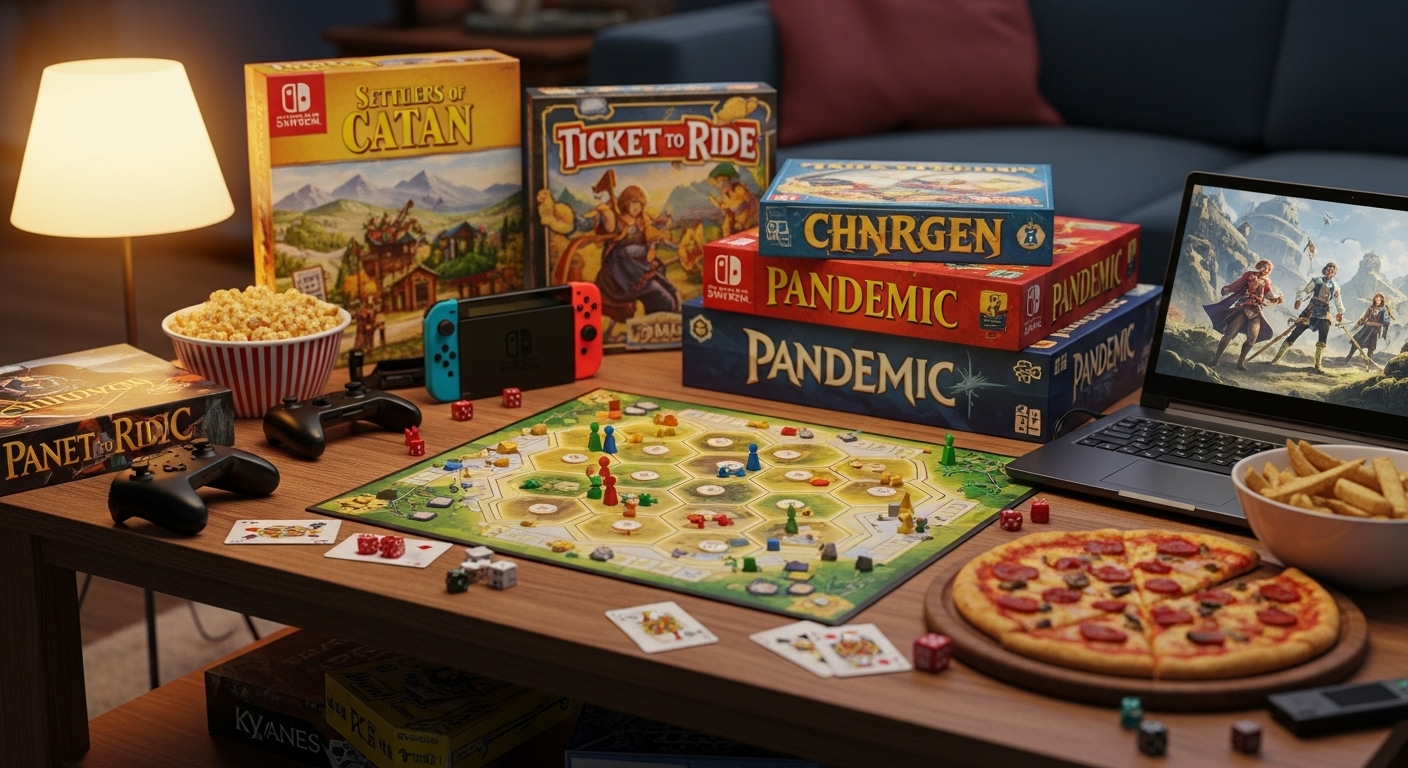
Introduction: The Universal Language of Play
Games are an integral part of human culture, offering a unique way for people to engage with each other, challenge their minds, and explore new worlds. From the earliest board games in ancient civilizations to the immersive virtual worlds of today, games have always been a reflection of human creativity, competition, and community. Over time, games have evolved from simple pastimes to complex forms of entertainment, capable of sparking emotions, teaching life skills, and even shaping society. The world of games is vast, diverse, and ever-changing. Whether they are played casually on a mobile phone or professionally in front of millions of viewers, games continue to captivate people across the globe. This blog explores the history, impact, and future of games, shedding light on why they are so much more than just entertainment.
The Origins of Games: A Historical Perspective
The roots of games go back thousands of years. In ancient civilizations, games were not only a source of entertainment but also served as tools for education, social bonding, and even spiritual or religious rituals. The oldest known game is Senet, which dates back to around 3100 BC in ancient Egypt. It was played on a board with tiles and had significant symbolic meanings, likely related to life and the afterlife. Other early games like the Royal Game of Ur, Go, and Chess emerged from different parts of the world, each reflecting the values and intellectual interests of the cultures that created them.
Games in ancient times were often simple in design but complex in their strategies. For example, the game of Go, originating in China, is one of the oldest strategy board games still played today. It is deceptively simple, with players placing stones on a grid to capture territory, yet the game offers almost limitless complexity. The intellectual challenge and strategic depth of these games helped sharpen the minds of those who played them, preparing them for life’s challenges.
As time passed, games evolved with new technologies, cultures, and social practices. From the introduction of playing cards in the 15th century to the birth of tabletop role-playing games in the 20th century, games continued to serve as a mirror for human society, reflecting its concerns, joys, and creativity.
The Rise of Video Games: A New Frontier of Entertainment
The 20th century marked the birth of a new era in gaming: the age of video games. The first video game, “Tennis for Two,” was created in 1958 by physicist William Higinbotham on an oscilloscope screen. This simple game was one of the earliest examples of interactive digital entertainment. However, it was the 1970s that saw the real rise of video games as a commercial and cultural phenomenon. Early arcade games like Pong and Space Invaders captivated the public, drawing people into arcades and establishing gaming as a popular form of leisure.
The introduction of home gaming consoles in the late 1970s and early 1980s revolutionized the industry. The Atari 2600, released in 1977, was one of the first home consoles to bring video games into people’s homes. It allowed players to enjoy titles like Space Invaders and Pac-Man without having to visit an arcade. The success of home consoles gave rise to gaming as a mainstream hobby, with companies like Nintendo and Sega becoming household names by the 1980s and 1990s.
As technology progressed, video games became more sophisticated, offering enhanced graphics, complex storylines, and deeper gameplay mechanics. Iconic games like Super Mario Bros., The Legend of Zelda, and Final Fantasy not only entertained but also inspired new forms of artistic expression. Video games transformed from simple distractions into immersive experiences that told stories, challenged players’ skills, and created lasting cultural icons.
The Explosion of Mobile Gaming: Gaming in Your Pocket
In the 21st century, the gaming landscape changed once again with the rise of mobile gaming. The launch of the iPhone in 2007 brought about a seismic shift in the gaming industry. With its touchscreen interface and powerful processing capabilities, smartphones became the perfect platform for casual gaming. Games like Angry Birds, Candy Crush Saga, and Clash of Clans introduced millions of people to gaming in a way that was accessible, portable, and easy to pick up.
Mobile gaming democratized access to games. It wasn’t just for the dedicated gamer anymore; anyone with a smartphone could play. The rise of free-to-play games, which often feature in-app purchases or ads, made gaming more accessible and profitable for developers. Players could engage in short gaming sessions whenever they had a few minutes to spare, turning gaming into a casual activity integrated into everyday life.
Mobile gaming also brought new opportunities for social interaction. Many mobile games featured multiplayer elements, allowing players to connect with friends, form teams, and compete against each other. The accessibility and portability of mobile gaming made it possible for people to game anywhere—from waiting in line to riding the bus. This shift from console and PC gaming to mobile platforms allowed the gaming industry to reach a much broader audience and cemented gaming as a pervasive part of modern culture.
The Rise of eSports: Gaming as a Profession
As video games grew in popularity, so did the competitive aspect of gaming. What started as friendly competitions among friends or in local arcades has evolved into a massive global industry known as eSports. The competitive gaming scene began in the 1990s with tournaments for games like Street Fighter II and Quake, but it was the rise of games like StarCraft, Counter-Strike, and League of Legends in the 2000s that turned eSports into a professional, multi-billion-dollar industry.
Today, eSports is a legitimate career path for talented players, with professional teams, coaches, analysts, and tournament organizers. The prize money for major eSports tournaments can reach millions of dollars, and millions of viewers watch these events live, both online and in stadiums. Streaming platforms like Twitch and YouTube have given players the ability to broadcast their gameplay, allowing them to build large followings and turn gaming into a lucrative career. The global appeal of eSports has also led to the formation of regional leagues and international competitions, with games like Dota 2 and Fortnite attracting viewers from all corners of the globe.
eSports has made gaming more than just a hobby; it has become a professional sport in its own right, with athletes who train and compete at the highest level. The rise of eSports is one of the most significant developments in gaming history, showcasing how games can transcend entertainment to become a serious, globally recognized form of competition.
The Psychology of Gaming: Why We Play
Why do we play games? Beyond entertainment, games serve as powerful tools for personal growth, social interaction, and mental stimulation. Psychologically, games are incredibly engaging because they tap into our innate desire for achievement and progress. Games provide a structured environment where players can set goals, track progress, and experience rewards. The sense of accomplishment gained from completing a difficult task or leveling up in a game can trigger the release of dopamine, the brain’s reward chemical, creating a feeling of pleasure and satisfaction.
Games also offer an escape from reality, allowing players to immerse themselves in different worlds, live out fantasies, and explore new possibilities. This immersive quality is what makes games so compelling, as players can step into the shoes of a hero, an adventurer, or even a villain, and experience adventures that would be impossible in real life.
Additionally, games can foster a sense of social connection. Multiplayer games allow players to form teams, communicate, and collaborate to achieve shared goals. Many games, especially online multiplayer titles, have developed large, tight-knit communities of players who support each other, share strategies, and celebrate victories together. For many, gaming is not just a solitary activity but a way to build friendships, connect with others, and be part of a larger social network.
The Impact of Games on Society
Games have a profound impact on society, influencing everything from culture to education. As an art form, games provide a unique platform for storytelling. Video game narratives can be deeply immersive, combining visual, auditory, and interactive elements to tell stories in ways that books and films cannot. Games like The Last of Us and Red Dead Redemption tackle complex themes such as love, loss, morality, and redemption, sparking conversation and reflection among players.
Moreover, games can be educational tools. Many games are designed to teach critical thinking, problem-solving, and even history or language. Games like Civilization encourage players to think strategically about politics and economics, while others, like Kerbal Space Program, teach the basics of physics and engineering. Game-based learning has become a popular tool in classrooms, helping students engage with subjects in a hands-on, interactive way.
Games also reflect and influence societal values. As the gaming industry becomes more inclusive, developers are creating games that address social issues, explore diversity, and represent underrepresented groups. The inclusion of female protagonists, LGBTQ+ characters, and racial diversity in games like Horizon Zero Dawn and The Last of Us Part II is reshaping how stories are told in gaming.
The Future of Gaming: Virtual Reality, AI, and the Metaverse
The future of gaming is filled with exciting possibilities. As technology continues to advance, new innovations such as virtual reality (VR), artificial intelligence (AI), and the metaverse are set to change the way we experience games. Virtual reality offers the potential for fully immersive gaming experiences, allowing players to physically interact with the game world and feel like they are truly inside the game. Games like Beat Saber and Half-Life: Alyx are already pushing the boundaries of VR, and as the technology improves, the potential for even more immersive experiences grows.