

Introduction: The Universal Language of Games
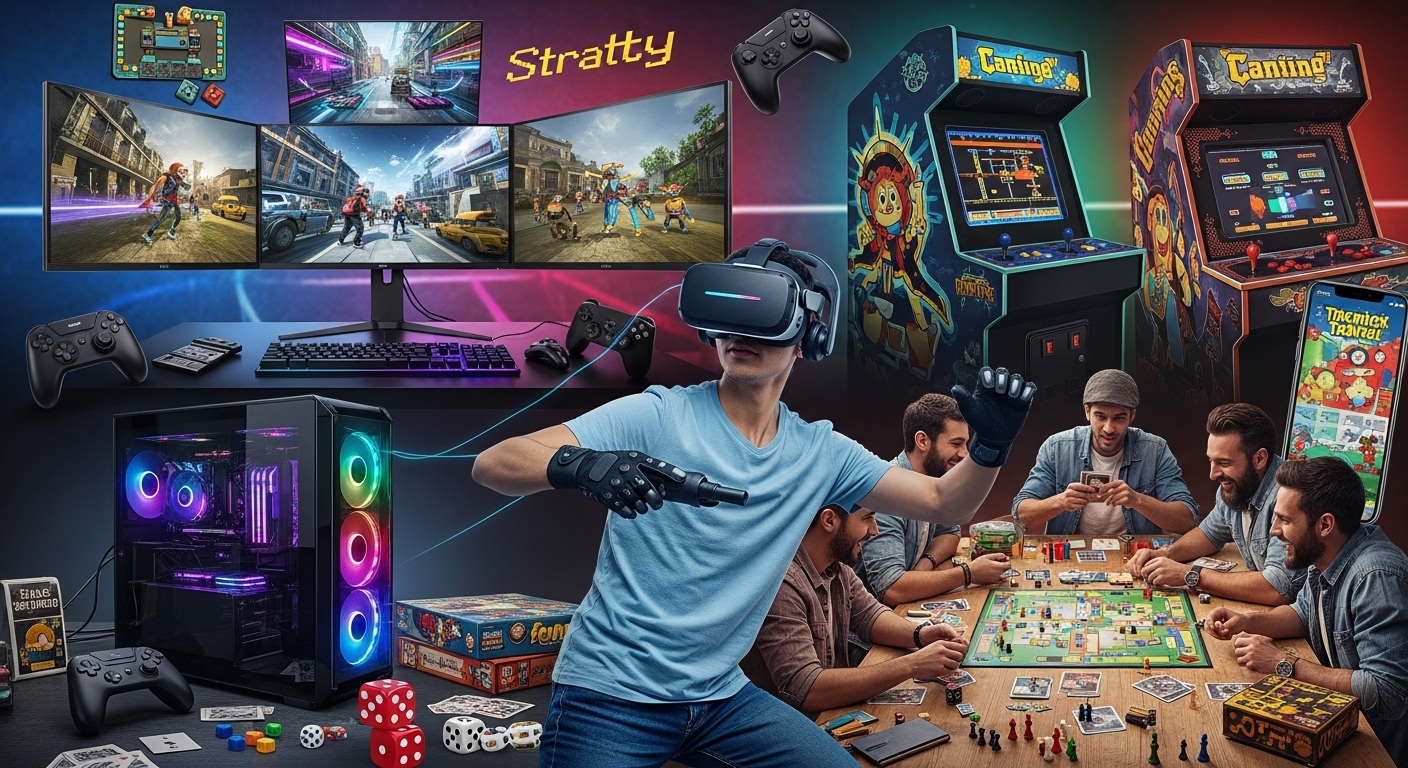
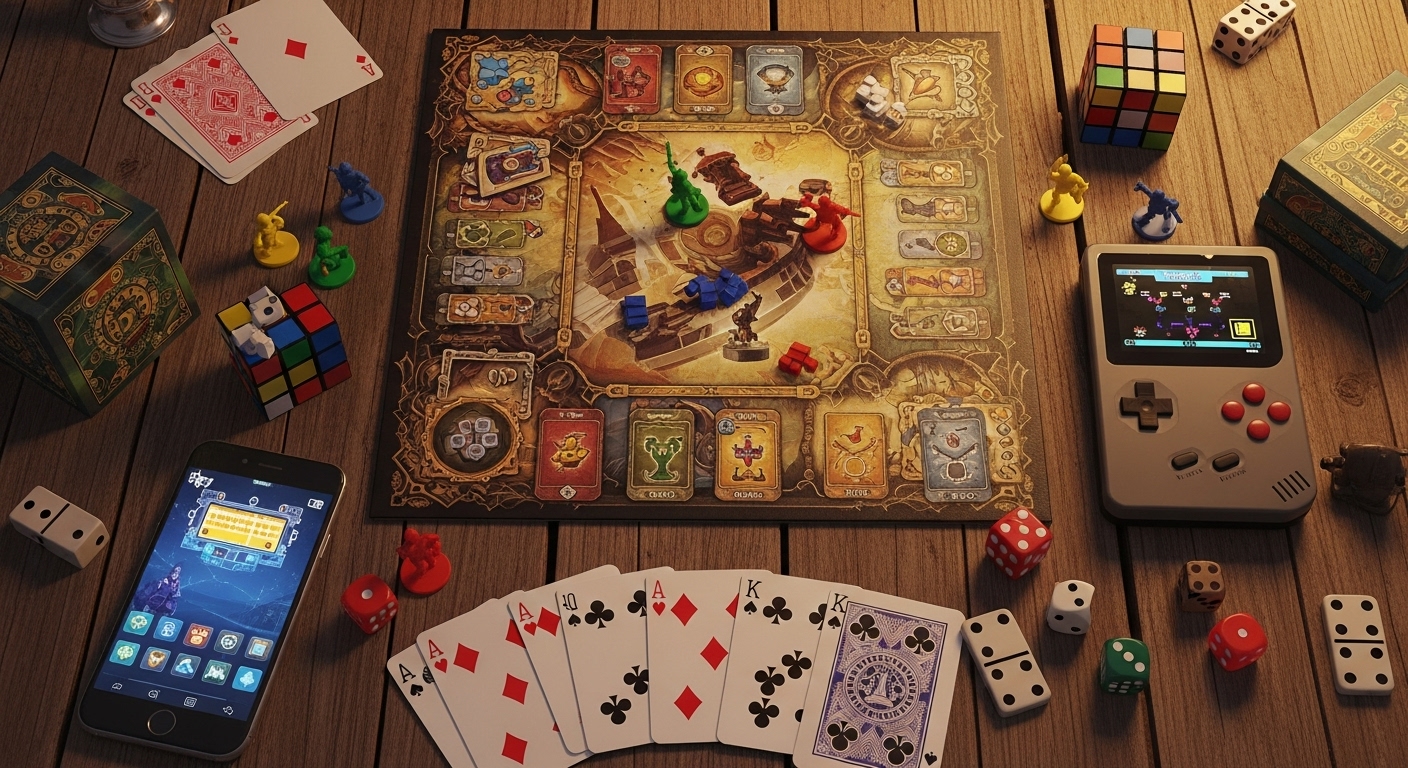
Games have been a cornerstone of human entertainment for centuries, serving as a source of fun, education, and social connection. From ancient board games to modern video games, they reflect human creativity, culture, and technological progress. Gaming is no longer a niche hobby—it has grown into a global industry that shapes culture, influences technology, and fosters community. This blog explores the history, evolution, and impact of games, highlighting their role in entertainment and society.
The Origins of Games: Ancient Play and Social Bonding
The roots of gaming can be traced back thousands of years. Ancient civilizations created games to entertain, teach strategy, and strengthen social bonds. The Egyptians played Senet, one of the earliest known board games, while the Chinese developed Go, emphasizing strategy and foresight. The Greeks and Romans introduced physical competitions and recreational activities, blending athleticism with social interaction. These early games were not only fun but also provided a medium for learning, critical thinking, and collaboration.
Board Games: Strategy and Creativity
Board games have stood the test of time due to their accessibility and intellectual stimulation. Chess, Checkers, and Backgammon challenge players to anticipate opponents’ moves, think critically, and strategize. Board games foster social interaction, teamwork, and friendly competition. Their enduring popularity has influenced modern gaming mechanics, demonstrating how strategic thinking and decision-making remain central to entertainment. Even in the digital age, board games inspire video game design and online adaptations, bridging traditional and modern play.
The Birth of Video Games: A New Digital Era
The late 20th century brought the revolution of video games. Early arcade games like Pong and Space Invaders introduced players to interactive digital entertainment. Home consoles, including the Nintendo Entertainment System and Sega Genesis, brought games into living rooms, making them a staple of family entertainment. Video games combined challenge, storytelling, and reward systems, creating immersive experiences that engaged players for hours. This era marked the beginning of a global industry, transforming gaming from a casual pastime into a cultural and economic phenomenon.
Mobile Gaming: Entertainment on the Move
Mobile technology transformed gaming by making it accessible anytime, anywhere. Smartphones and tablets enabled players to enjoy games on the go, turning idle moments into entertainment opportunities. Mobile games range from casual puzzles and word games to complex strategy and simulation experiences. The accessibility of mobile gaming has expanded the audience, attracting millions who may not engage with consoles or PCs. Mobile platforms also incorporate intuitive controls, immersive graphics, and social features, enhancing the overall player experience.
The Importance of Storytelling in Games
Modern games are increasingly narrative-driven. Storytelling adds depth, engagement, and emotional resonance to gameplay. Titles like The Legend of Zelda, The Witcher, and Final Fantasy immerse players in expansive worlds, with characters, choices, and consequences shaping the experience. Narrative-driven games create emotional investment, encourage exploration, and foster player agency. Storytelling in games bridges the gap between entertainment and art, demonstrating that gaming can offer experiences as rich and meaningful as literature or cinema.
Multiplayer and Online Gaming: Global Connections
Online multiplayer gaming revolutionized how people interact and play. MMOs (Massively Multiplayer Online games) and competitive online titles allow players from across the globe to collaborate, compete, and socialize. Games like World of Warcraft, Fortnite, and League of Legends create dynamic communities where players exchange strategies, build alliances, and participate in large-scale events. Online multiplayer experiences emphasize teamwork, strategy, and communication, turning games into social platforms that connect diverse audiences worldwide.
Competitive Gaming and Esports
Esports has elevated gaming to a professional level. Players dedicate extensive hours to refining skills, developing strategies, and competing in tournaments for recognition and substantial prizes. Popular esports titles include Dota 2, Counter-Strike, and Call of Duty. Major tournaments attract millions of viewers, filling stadiums and online streams alike. Esports has turned gaming into a spectator sport, highlighting the skill, dedication, and strategic thinking required to compete at the highest level. Professional gaming has become a legitimate career path, influencing culture and shaping the entertainment industry.
Educational and Serious Games: Learning Through Play
Games are increasingly used for education and skill development. Serious games teach problem-solving, critical thinking, and decision-making in engaging ways. Simulation games like SimCity or Flight Simulator encourage creativity, planning, and analytical thinking. Educational games make learning interactive and fun, helping players develop knowledge and skills while enjoying gameplay. This blend of entertainment and education highlights the versatility of games and their potential to impact society positively.
Virtual Reality and Augmented Reality: Immersive Experiences
Virtual reality (VR) and augmented reality (AR) have expanded the boundaries of gaming. VR places players in fully immersive environments, allowing physical interaction with digital worlds. AR blends digital content with the real world, creating interactive experiences that merge imagination and reality. Games like Beat Saber and Pokémon Go demonstrate the innovative potential of these technologies. VR and AR enhance engagement, realism, and player satisfaction, signaling a new era of immersive entertainment.
The Psychology of Gaming: Engagement and Motivation
Games are engaging because they tap into fundamental aspects of human psychology. Challenges, rewards, progression, and social interaction motivate players. Games provide opportunities for mastery, exploration, creativity, and competition, fostering intrinsic motivation. They also offer stress relief, cognitive stimulation, and a sense of achievement. Understanding player psychology enables developers to create compelling experiences that keep players engaged and emotionally invested.
The Business of Gaming: A Multibillion-Dollar Industry
Gaming is now a global economic powerhouse. Revenue streams include game sales, in-game purchases, subscriptions, advertising, and merchandise. The industry supports millions of jobs in development, marketing, design, streaming, and esports. Major studios, independent developers, and mobile platforms contribute to innovation, creating diverse experiences that cater to varied audiences. Gaming has grown into a cultural and economic force, influencing technology, media, and entertainment trends worldwide.
Challenges in Modern Gaming
Despite its growth, gaming faces challenges. Online toxicity, player addiction, and data privacy are ongoing concerns. Monetization strategies must balance profitability with fairness to maintain trust. Developers must also ensure accessibility for players with disabilities and provide inclusive experiences. Addressing these challenges responsibly is essential for the industry to maintain its reputation, attract new players, and foster sustainable growth.
The Future of Gaming: Innovation and Evolution
The future of gaming promises continued innovation. Cloud gaming, AI-driven experiences, VR and AR integration, and adaptive storytelling will redefine player experiences. Games will become more personalized, immersive, and interactive, responding dynamically to individual preferences. Social and collaborative gaming will continue to expand, connecting players across global communities. The evolution of games reflects broader technological, cultural, and social trends, ensuring their relevance and influence for years to come.
Conclusion: Games as a Pillar of Culture and Entertainment
Games have evolved from simple pastimes to complex, immersive experiences that shape culture, technology, and social interaction. They entertain, educate, and connect people across generations and borders. Modern gaming combines storytelling, strategy, social engagement, and technological innovation, offering experiences as rich and meaningful as any traditional form of media. As technology advances and creativity flourishes, games will continue to redefine entertainment, inspire innovation, and remain an integral part of human culture.