

Introduction: Games as a Gateway to New Realities
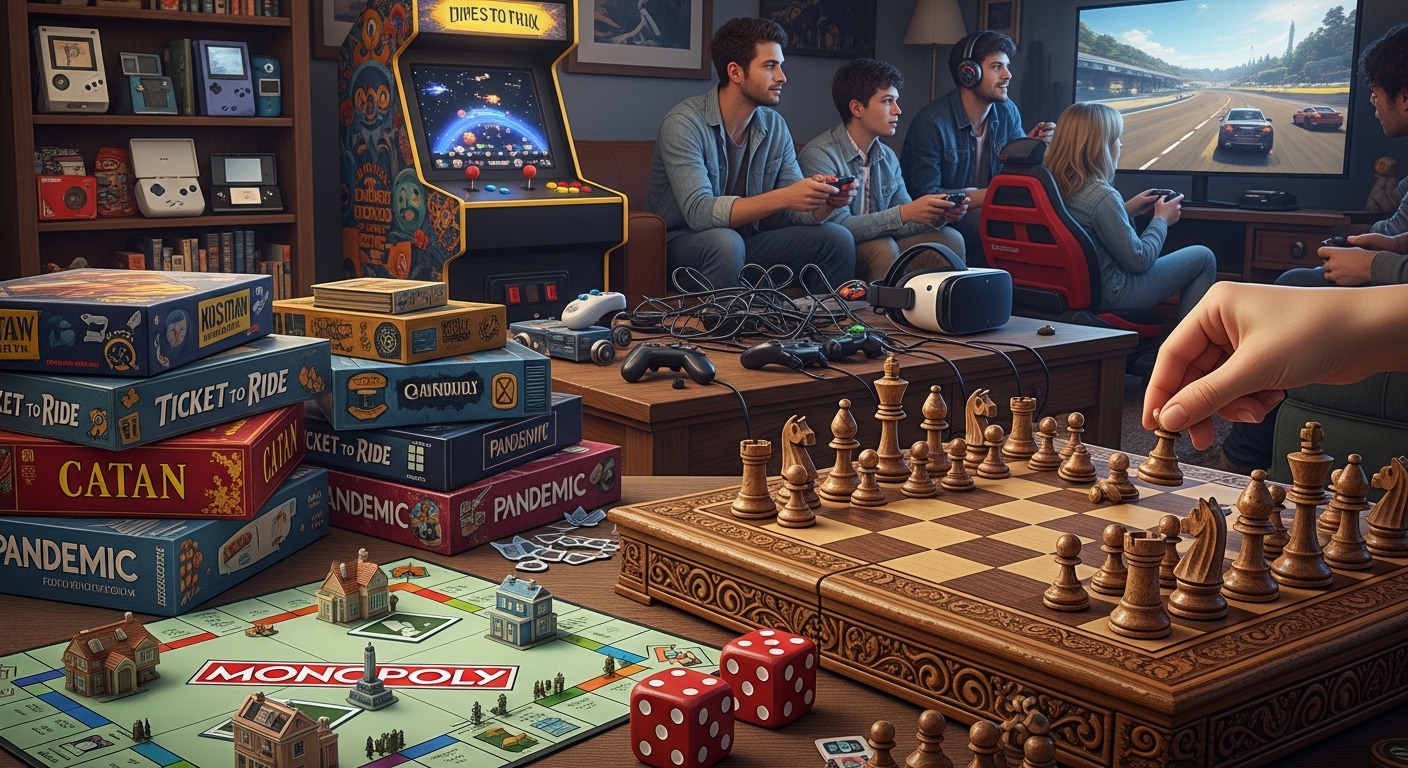
In the vast landscape of entertainment, games stand out as an incredibly versatile medium. From the early days of simple puzzles and board games to the sprawling digital universes we explore today, games have continuously pushed the boundaries of creativity and technology. The allure of gaming lies not only in its ability to offer fun and excitement but also in its capacity to connect people, challenge intellects, and tell captivating stories. This post delves into the fascinating world of games, exploring their evolution, impact on culture, and the experiences they provide.
The Early Days: Simplicity Meets Entertainment
The story of modern games begins with the rise of early video games in the 1970s. In this era, the concept of interactive entertainment was born. Simple games like Pong and Space Invaders paved the way for the gaming industry by introducing players to the idea of competition and skill. These games were basic in terms of visuals and gameplay, but their addictive nature captured the public’s imagination.
Arcades quickly became popular, and home consoles followed, with systems like the Atari 2600 and Nintendo Entertainment System (NES) becoming staples in living rooms. These early games often focused on straightforward mechanics: score as high as possible, reach the next level, or defeat the most enemies. Though simple, these games ignited a passion for interactive entertainment that would eventually evolve into the complex, multi-faceted gaming world we know today.
The Evolution of Gameplay: From 2D to 3D
As technology advanced, so too did the complexity and creativity of games. The 1990s brought the shift from 2D graphics to the exciting world of 3D environments. Consoles like the Sony PlayStation and Nintendo 64 introduced players to entirely new experiences with games such as Super Mario 64 and Final Fantasy VII. These titles not only offered breathtaking new visuals but also deeper gameplay mechanics and narrative depth, signaling a monumental shift in the gaming landscape.
With 3D graphics, games could now offer fully immersive worlds. Players were no longer confined to flat screens or limited environments—they could explore vast landscapes, solve intricate puzzles, and interact with complex characters in a truly three-dimensional space. This shift opened the door to an entirely new level of gaming experiences, setting the stage for an era of more expansive and emotionally engaging stories.
Online Gaming: A Global Connection
One of the most significant milestones in the evolution of gaming was the advent of online multiplayer experiences. The internet revolutionized how people interacted with games, opening up a world where players could connect with others around the globe. Titles like World of Warcraft, Halo 2, and Counter-Strike offered players the ability to team up or compete with others in real-time, creating dynamic, ever-changing experiences.
The rise of online gaming created a new social space where players could forge friendships, create communities, and even form competitive teams. Esports, the competitive gaming scene, grew from these online experiences, with tournaments offering huge prize pools and millions of viewers worldwide. The global connectivity of online gaming turned it into a cultural phenomenon, uniting players from diverse backgrounds and giving rise to a new breed of professional gamers and streamers.
Mobile Gaming: Gaming for Everyone, Anytime, Anywhere
The introduction of smartphones brought about another gaming revolution—mobile gaming. What was once reserved for consoles or PCs became available in the palm of everyone’s hand. Games like Angry Birds, Clash of Clans, and Pokémon Go quickly became global sensations, offering players quick, accessible experiences that could be enjoyed anytime, anywhere.
Mobile gaming also expanded the reach of gaming beyond traditional demographics. It introduced games to casual players who may not have previously considered themselves “gamers,” leading to a massive increase in the number of people engaging with interactive entertainment. Moreover, mobile games often had simple mechanics that could be enjoyed in short bursts, making them perfect for on-the-go play.
The Impact of Storytelling in Games
One of the most significant ways games have evolved is in the realm of storytelling. While earlier games focused primarily on gameplay mechanics, modern games are increasingly being recognized for their ability to tell deep, meaningful stories. Titles like The Last of Us, Red Dead Redemption 2, and The Witcher 3 have demonstrated that video games are just as capable as films or books when it comes to creating emotionally powerful narratives.
Interactive storytelling allows players to engage with characters and plotlines in a way that other media cannot. Players often shape the story through their decisions, making each experience unique and personal. This level of agency creates an emotional bond between the player and the narrative, and many games are now regarded as masterpieces of storytelling and world-building.
Virtual and Augmented Reality: New Dimensions of Gaming
As technology continues to evolve, so too does the way we experience games. Virtual Reality (VR) and Augmented Reality (AR) have ushered in a new age of interactive gaming. VR technology allows players to immerse themselves fully in digital worlds, experiencing games as if they were part of the environment. Games like Beat Saber and Half-Life: Alyx use VR to create deeply immersive experiences where players can interact with their surroundings and control their actions with real-world movements.
Augmented Reality, popularized by games like Pokémon Go, blends the digital and physical worlds, encouraging players to explore their real-world environments while interacting with virtual elements. Both VR and AR represent the cutting edge of gaming technology, offering new ways to engage with games and blurring the lines between reality and virtual experiences.
Games as a Cultural Force
Games are no longer just a form of entertainment—they have become a central part of modern culture. The gaming community is diverse, spanning across different ages, cultures, and interests. Social media platforms like Twitch and YouTube have allowed gamers to share their experiences, creating new forms of content such as Let’s Plays, live streams, and game reviews. The rise of gaming influencers has led to the creation of massive online followings, with gamers becoming celebrities in their own right.
In addition, gaming has inspired countless other forms of art and media, from fan fiction and cosplay to music and even movies. The influence of gaming on popular culture continues to grow, with gaming conventions like E3 and PAX drawing thousands of fans each year to celebrate the medium.
The Future of Gaming: Endless Possibilities
Looking to the future, the possibilities for gaming seem endless. As technology continues to improve, games will become even more immersive, interactive, and personalized. AI-powered characters may offer even more complex interactions, and games may adapt dynamically to a player’s choices and playstyle. The evolution of cloud gaming could allow players to access high-quality games without the need for expensive hardware, making gaming more accessible than ever before.
Moreover, the integration of social, cultural, and political themes in games could provide new ways for players to explore important issues and reflect on the world around them. The future of gaming looks poised to be even more exciting, with new innovations on the horizon that promise to take interactive entertainment to unprecedented levels.
Conclusion: Games as an Unstoppable Force
The world of games has come a long way from its humble beginnings, and its journey is far from over. From simple arcade games to immersive virtual worlds, games have evolved into a powerful medium that offers entertainment, emotional connection, and intellectual challenge. They are no longer just a way to pass the time—they are a form of art that connects people, tells stories, and offers experiences that no other medium can match.
As gaming technology continues to advance and new ideas emerge, we can only imagine where the future will take us. One thing is certain: games will continue to be a driving force in shaping the cultural and technological landscape for generations to come.