
Introduction: The Significance of Games
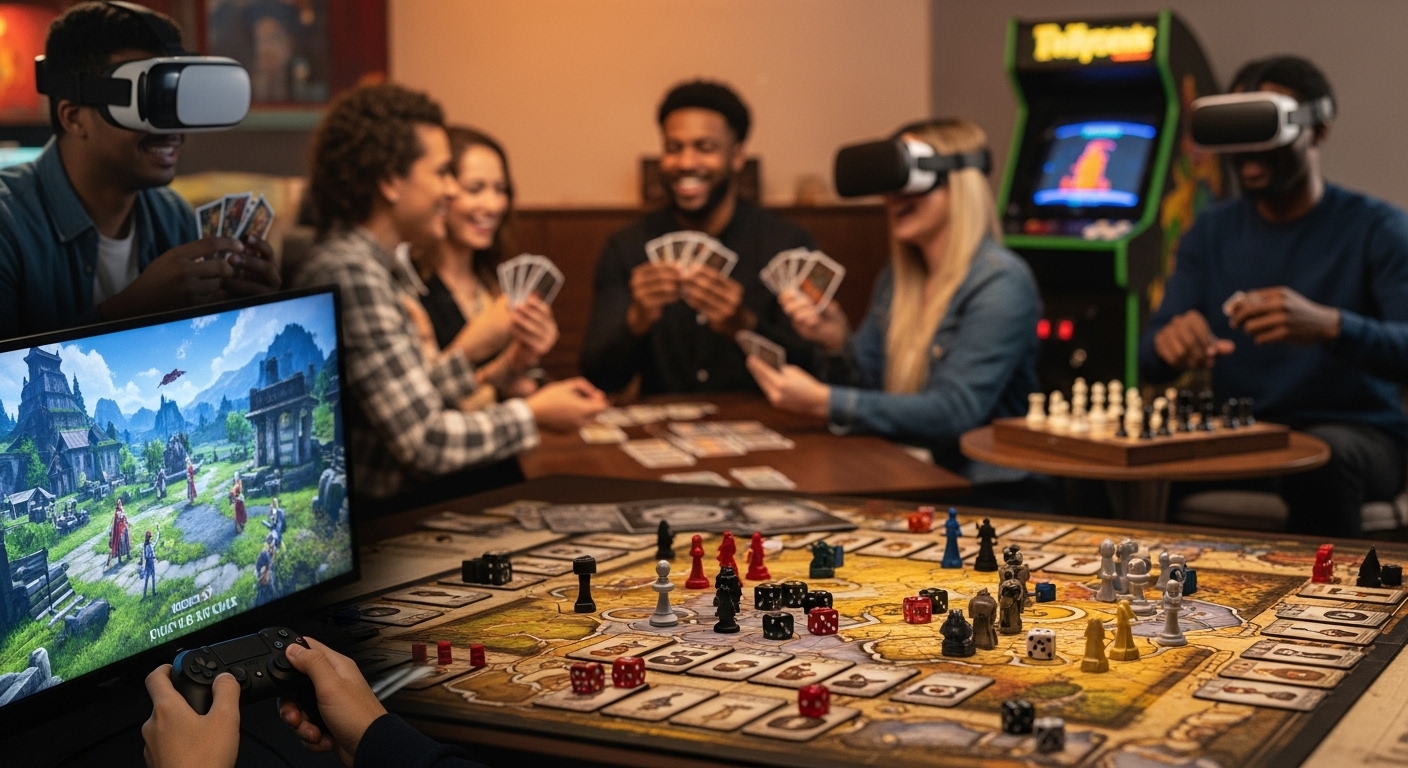
Games are more than simple pastimes; they are a reflection of human creativity, strategy, and social interaction. From ancient board games to the latest digital experiences, games have evolved to entertain, educate, and connect people across the world. They provide challenges, foster teamwork, and encourage critical thinking, while offering a space for relaxation and escapism. In modern society, games have become a cultural and economic force, shaping not only leisure but also technology, storytelling, and community.
The History of Games: From Ancient Traditions to Modern Entertainment
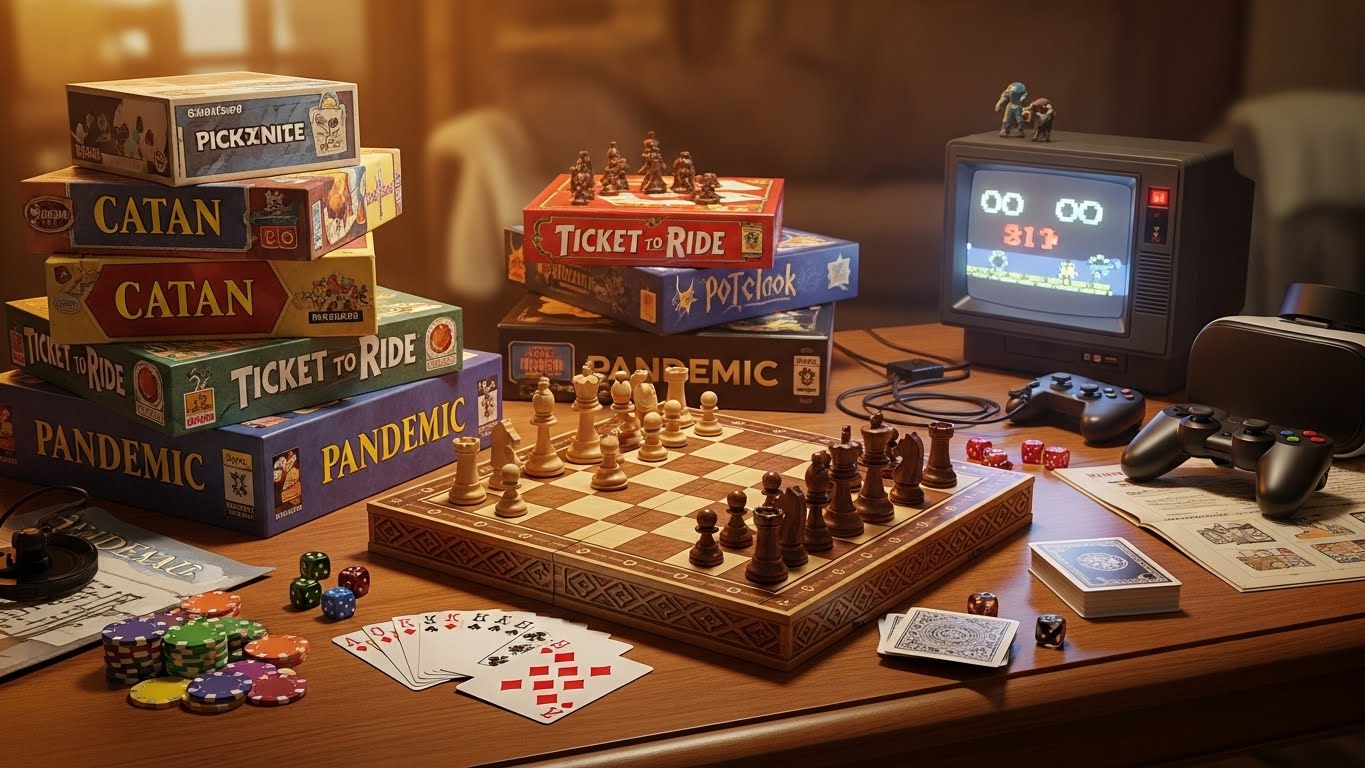
Games have been part of human civilization for thousands of years. Early societies used games for education, strategy, and cultural expression. Board games such as Chess and Go developed strategic thinking, while dice and card games introduced chance and probability into play. Ancient games often served as a tool for teaching social norms, planning skills, and conflict resolution.
With technological advancements, games evolved into digital experiences. Early video games like Pong and Space Invaders introduced interactive entertainment to households worldwide. Arcade machines and home consoles brought gaming into mainstream culture, setting the stage for a global industry that now spans billions of players.
Types of Games and Their Unique Appeal
Gaming is incredibly diverse, offering experiences for every type of player:
Action Games: These fast-paced games test reflexes, timing, and hand-eye coordination. They provide adrenaline-fueled excitement and reward precision and skill.
Adventure Games: Focused on exploration, puzzles, and narrative, adventure games immerse players in captivating worlds and stories.
Role-Playing Games (RPGs): RPGs allow players to shape characters, make decisions that influence outcomes, and engage in complex storylines. They combine strategy, creativity, and storytelling.
Strategy Games: Requiring planning, resource management, and foresight, strategy games challenge the intellect and encourage long-term thinking.
Simulation Games: Simulations mimic real-world activities, from city-building and farming to life management, allowing players to explore different roles and responsibilities.
Casual Games: Designed for relaxation and accessibility, casual games are easy to learn and provide short bursts of entertainment.
Competitive Games: Also known as esports, competitive games offer structured environments where players can test their skills against others professionally or casually.
This variety ensures that games appeal to all ages, skill levels, and interests, making them a universal form of entertainment.
The Art and Science of Game Design
Creating a game is a complex process that blends creativity, psychology, and technology. Designers craft worlds, mechanics, and narratives that engage players and create memorable experiences. A well-designed game balances challenge and reward, ensuring players remain motivated without becoming frustrated.
Storytelling in games differs from other media because it is interactive. Players influence the narrative through their actions and decisions, creating personalized experiences. Visual design, music, and sound effects add depth and immersion, making games not only a form of entertainment but also a unique artistic medium.
Social and Community Aspects of Gaming
Gaming today is often a social experience. Multiplayer games connect people across the globe, fostering teamwork, strategy, and friendly competition. Online communities, clans, and guilds provide spaces for players to collaborate, share experiences, and build friendships.
Streaming platforms have enhanced the social dimension of gaming, allowing players to broadcast gameplay, interact with viewers, and cultivate communities. These social interactions demonstrate that gaming is not just about playing—it is about connecting, communicating, and sharing experiences.
Cognitive and Emotional Benefits of Gaming
Games are more than entertainment; they offer cognitive and emotional benefits. Strategic games enhance problem-solving, critical thinking, and planning. Action games improve reflexes and coordination, while puzzle games stimulate creativity.
Emotionally, games provide relaxation, stress relief, and a sense of accomplishment. Completing challenges or achieving in-game goals triggers satisfaction and boosts confidence. Cooperative gameplay fosters teamwork, communication, and leadership skills, making games valuable tools for personal growth.
Gaming as an Educational Tool
Games have long been used as educational tools. Educational games teach math, science, language, and history through interactive problem-solving. Even non-educational games develop transferable skills such as decision-making, strategy, and creativity.
Some schools and universities incorporate gaming into their curricula, using simulations and interactive environments to enhance learning. By engaging students actively, games make learning enjoyable and effective, demonstrating that entertainment and education can intersect meaningfully.
The Rise of Esports
Competitive gaming, or esports, has transformed games into professional arenas. Players dedicate themselves to rigorous practice, strategy, and teamwork, competing in tournaments watched by millions. Prize pools for major events can reach millions of dollars, illustrating the commercial and cultural power of esports.
Esports has created careers beyond playing, including coaching, content creation, event management, and broadcasting. The rise of professional gaming reflects the maturation of the industry and its impact on global culture.
Technology and the Evolution of Games
Technological advancements have revolutionized gaming. High-performance graphics, realistic physics, and artificial intelligence have elevated gameplay to new levels of immersion. Virtual reality and augmented reality provide interactive experiences that blur the line between the digital and physical worlds.
Cloud gaming allows access to high-quality experiences without expensive hardware, making gaming more accessible than ever. Artificial intelligence enhances gameplay by creating adaptive challenges and smarter non-player characters. Technology ensures that gaming remains dynamic, innovative, and engaging.
The Cultural Impact of Games
Games influence culture in profound ways. Iconic characters, storylines, and worlds inspire movies, music, art, and fashion. Gaming communities foster shared experiences that shape generational identity.
Games also reflect societal issues and cultural diversity. Inclusive narratives and character representation allow players to explore different perspectives, fostering empathy and understanding. The cultural significance of games demonstrates that they are more than entertainment—they are reflections of society and drivers of creativity.
Challenges Facing the Gaming Industry
Despite its growth, the gaming industry faces challenges. Addiction and excessive screen time are concerns for players’ well-being. Online communities can experience toxicity and harassment, impacting social interactions.
Developers face pressure to balance monetization, accessibility, and creativity. Ethical considerations, including representation, fairness, and content impact, are increasingly important. Addressing these challenges is crucial for sustaining gaming as a positive, inclusive, and enriching form of entertainment.
Games and Personal Identity
For many, gaming is more than a hobby—it is a form of self-expression. Players can customize avatars, build worlds, and create narratives that reflect their personality and creativity. Gaming provides a space for experimentation, exploration, and personal growth.
Communities around games offer validation, support, and social connection. This engagement demonstrates that gaming is not only about play—it is intertwined with personal identity, creativity, and social experience.
The Future of Gaming
The future of gaming promises continued innovation. Virtual and augmented reality, artificial intelligence, and cloud technology will redefine immersion and interaction. Interactive storytelling and personalized experiences will allow players to shape narratives uniquely.
The convergence of gaming with social media, education, and entertainment ensures that games will remain central to culture and daily life. As technology evolves, games will continue to inspire, educate, and connect people worldwide.
Conclusion: Games as a Universal Medium
Games have transcended simple entertainment to become a cultural, educational, and social phenomenon. They challenge the mind, nurture creativity, foster connection, and reflect society. From ancient board games to immersive digital worlds and professional esports arenas, games continue to evolve and redefine the boundaries of play.
The diversity of games ensures something for everyone, whether seeking relaxation, competition, or creative engagement. As technology and storytelling advance, games will remain a central force in shaping culture, influencing society, and enriching lives across the globe.