
Introduction: Games as More Than Entertainment
Games are no longer just a way to pass time. They have evolved into complex worlds where stories unfold, skills are tested, and emotions are deeply engaged. From childhood memories of simple games to modern immersive experiences, games shape how people think, interact, and relax. Today, gaming stands at the intersection of art, technology, and culture. This blog explores games not only as a form of entertainment but as a powerful medium that influences creativity, learning, and human connection.
The Evolution of Games Through Time
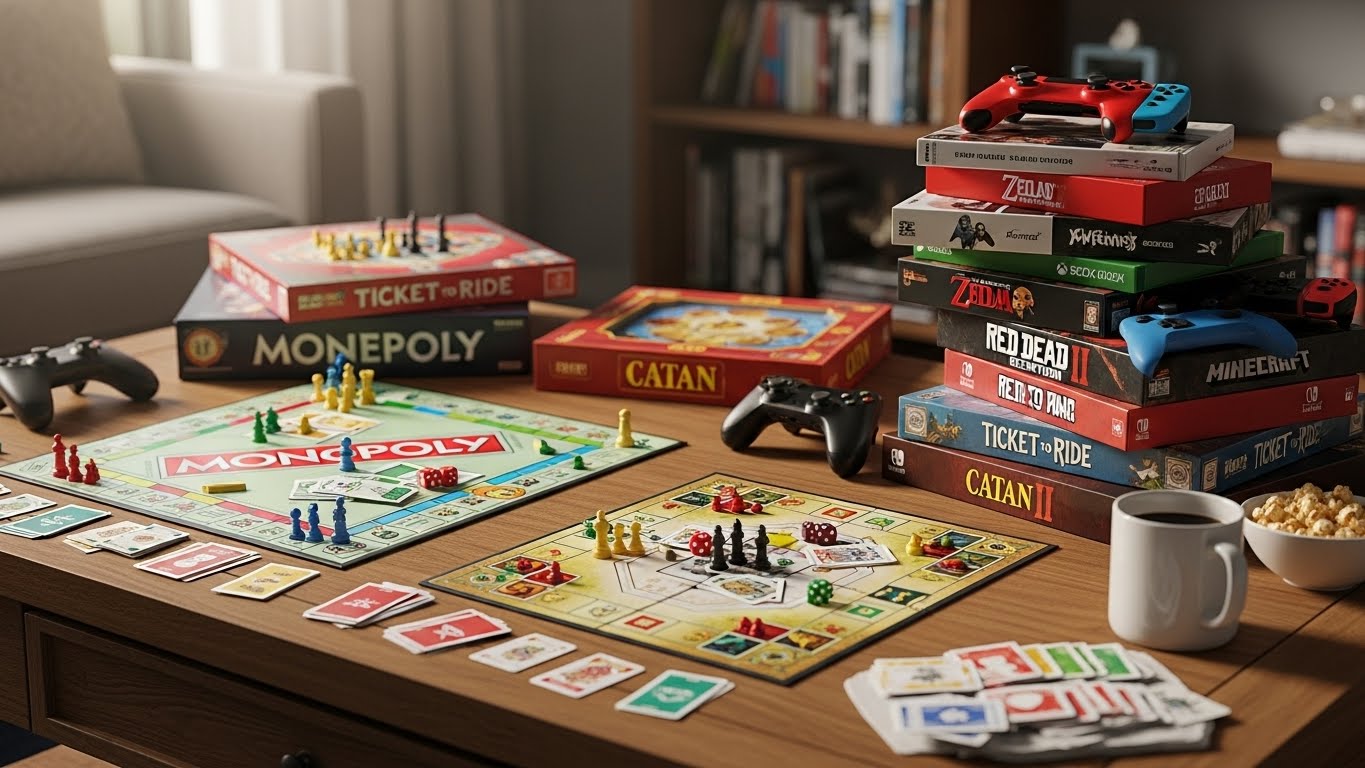
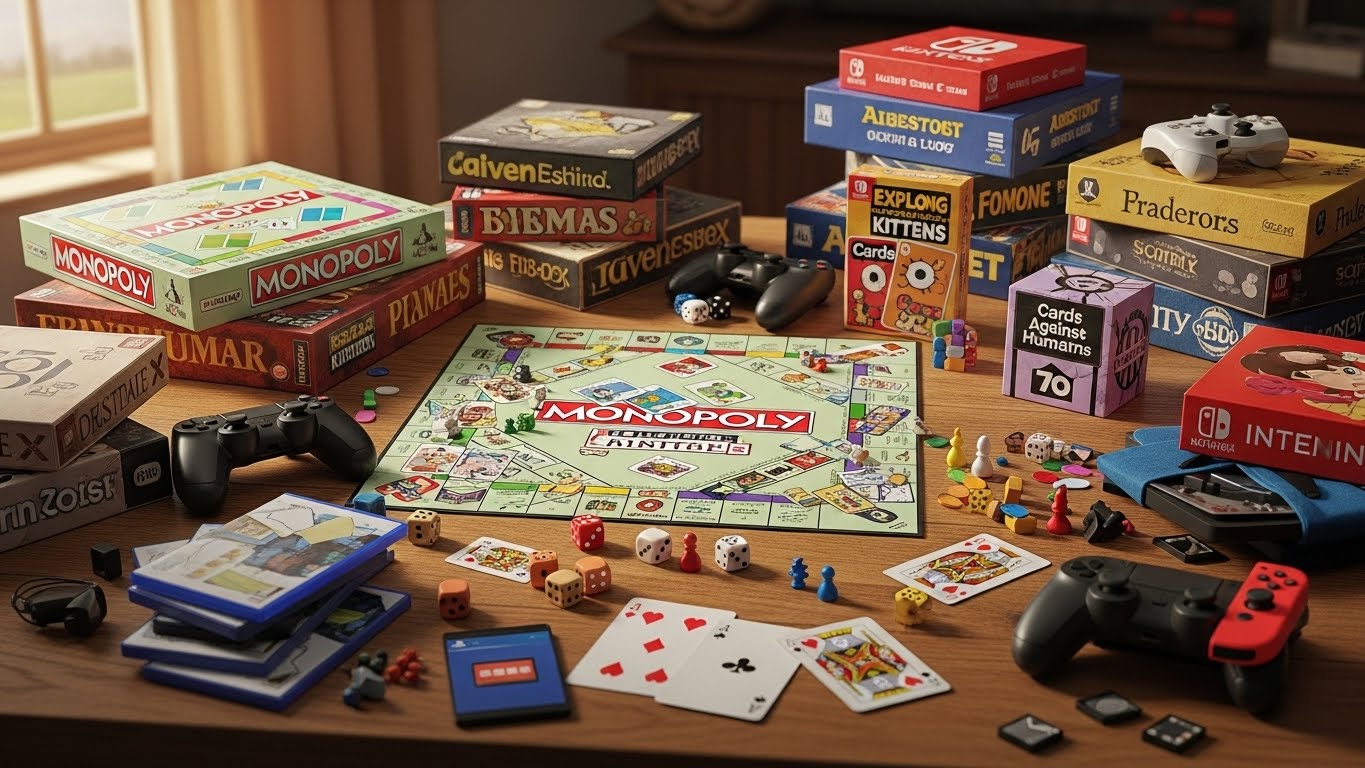
Games have existed for thousands of years in various forms. Ancient civilizations played board games and physical contests that reflected their values and social structures. Over time, games adapted to technological progress. The introduction of computers and consoles transformed games into digital experiences, opening doors to limitless imagination. Modern games now feature realistic graphics, complex narratives, and interactive worlds. This evolution shows how games grow alongside society, constantly redefining what play means.
Games as Interactive Storytelling
One of the most unique aspects of games is their ability to tell stories through interaction. Unlike books or movies, games allow players to influence outcomes through their choices. Players do not just watch a hero’s journey; they become part of it. Decisions made during gameplay can shape characters, alter endings, and create personal experiences. This interactive storytelling builds a deeper emotional connection, making stories more memorable and meaningful.
The Role of Creativity in Game Design
Creativity lies at the heart of every great game. Game designers combine art, music, writing, and programming to craft engaging experiences. Each game world is carefully designed to feel alive and believable. From fantasy landscapes to futuristic cities, these environments inspire imagination. Creativity also appears in gameplay mechanics, where unique rules and challenges encourage players to think differently. Games often push creative boundaries, setting trends that influence other forms of media.
Games and Emotional Engagement
Games have the power to evoke strong emotions. Joy, excitement, tension, fear, and even sadness can all be experienced through gameplay. Emotional engagement occurs because players invest time and effort into overcoming challenges. When a difficult task is completed or a meaningful story moment unfolds, the emotional reward feels earned. This emotional depth helps games stand out as an art form capable of touching players on a personal level.
Learning Through Play
Games are powerful tools for learning. Many games encourage problem-solving, strategic thinking, and quick decision-making. Players often learn complex systems without realizing it because the learning process feels enjoyable. Educational games take this concept further by teaching subjects such as history, mathematics, and language through interactive experiences. Even entertainment-focused games can improve skills like teamwork, communication, and adaptability.
Social Connection in Gaming
Gaming is no longer a solitary activity. Multiplayer games connect people from different cultures and backgrounds. Through cooperation and competition, players build friendships and communities. Online gaming spaces allow individuals to communicate, collaborate, and share experiences. These connections often extend beyond the game itself, creating lasting social bonds. In many ways, games have become modern social spaces where people gather and interact.
Games as Cultural Mirrors
Games often reflect the values, concerns, and dreams of the societies that create them. Themes such as heroism, survival, identity, and morality appear frequently in games. By exploring these themes, games provide insight into cultural narratives and human behavior. Some games challenge players to question ethical choices or consider alternative perspectives. This reflective quality allows games to act as cultural mirrors, showing who we are and what we care about.
The Psychological Impact of Gaming
Gaming can have both positive and negative psychological effects, depending on how it is approached. On the positive side, games can reduce stress, provide a sense of achievement, and offer an escape from daily pressures. They can also boost confidence as players master new skills. However, balance is important. When played mindfully, games can enhance mental well-being and provide healthy enjoyment.
Immersion and the Sense of Presence
Immersion is a defining feature of modern games. High-quality visuals, sound design, and responsive controls create a sense of presence within the game world. Players feel as if they truly exist in the environment they are exploring. This immersion allows players to temporarily step away from reality and fully engage with the experience. The deeper the immersion, the stronger the emotional and psychological impact of the game.
The Rise of Competitive Gaming
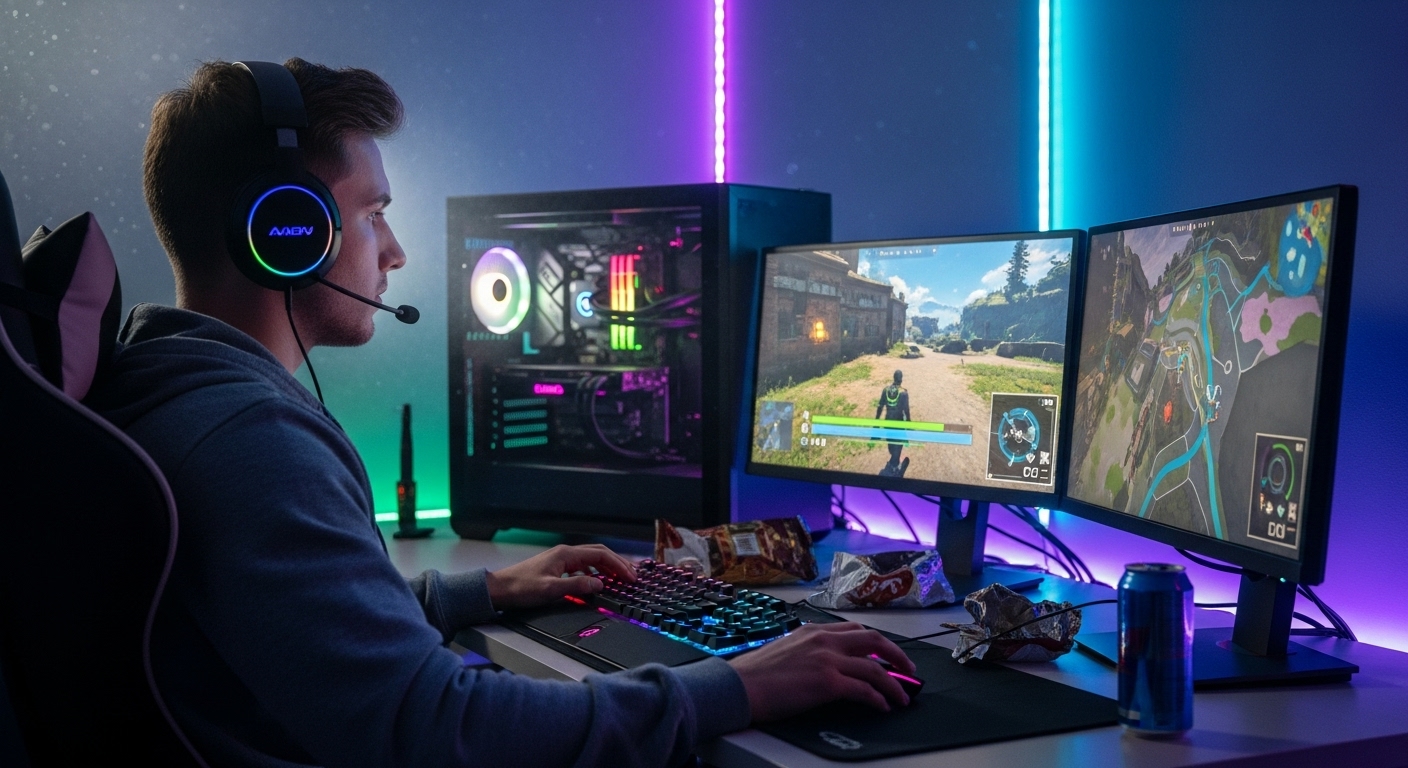
Competitive gaming has transformed play into performance. Players train, strategize, and compete at high levels, turning games into serious pursuits. Competitive environments encourage discipline, focus, and teamwork. Spectators also engage by watching matches, analyzing strategies, and supporting teams. This competitive aspect shows how games can inspire dedication and excellence, similar to traditional sports.
Games and Personal Identity
For many players, games play a role in shaping identity. Players express themselves through avatars, play styles, and choices within games. These digital identities allow experimentation and self-discovery. Games can provide a safe space to explore confidence, leadership, and creativity. Over time, these experiences can influence how players view themselves in the real world.
The Artistic Value of Games
Games are increasingly recognized as an art form. Visual design, music composition, and narrative structure come together to create cohesive experiences. Just like paintings or films, games can convey themes, emotions, and messages. Artistic games often focus on atmosphere and symbolism, encouraging reflection rather than competition. This artistic side of gaming demonstrates its potential for depth and expression.
Challenges and Responsibility in Gaming
With great influence comes responsibility. Game creators and players alike share responsibility for creating healthy gaming environments. Fair design, inclusive representation, and respectful communities are essential. Players must also manage their time and approach games with balance. When responsibility is embraced, gaming remains a positive force that enriches lives rather than overwhelming them.
The Future of Games
The future of gaming holds exciting possibilities. Advances in technology continue to expand what games can achieve. More immersive experiences, deeper stories, and greater accessibility are shaping the next generation of games. As games continue to evolve, their role in culture, education, and social interaction will likely grow even stronger.
Conclusion: Why Games Matter
Games matter because they bring people together, inspire creativity, and offer meaningful experiences. They are more than digital distractions; they are worlds where imagination thrives and connections form. Through storytelling, challenge, and interaction, games leave lasting impressions on players. As this medium continues to grow, its ability to entertain, educate, and inspire will remain one of its greatest strengths.