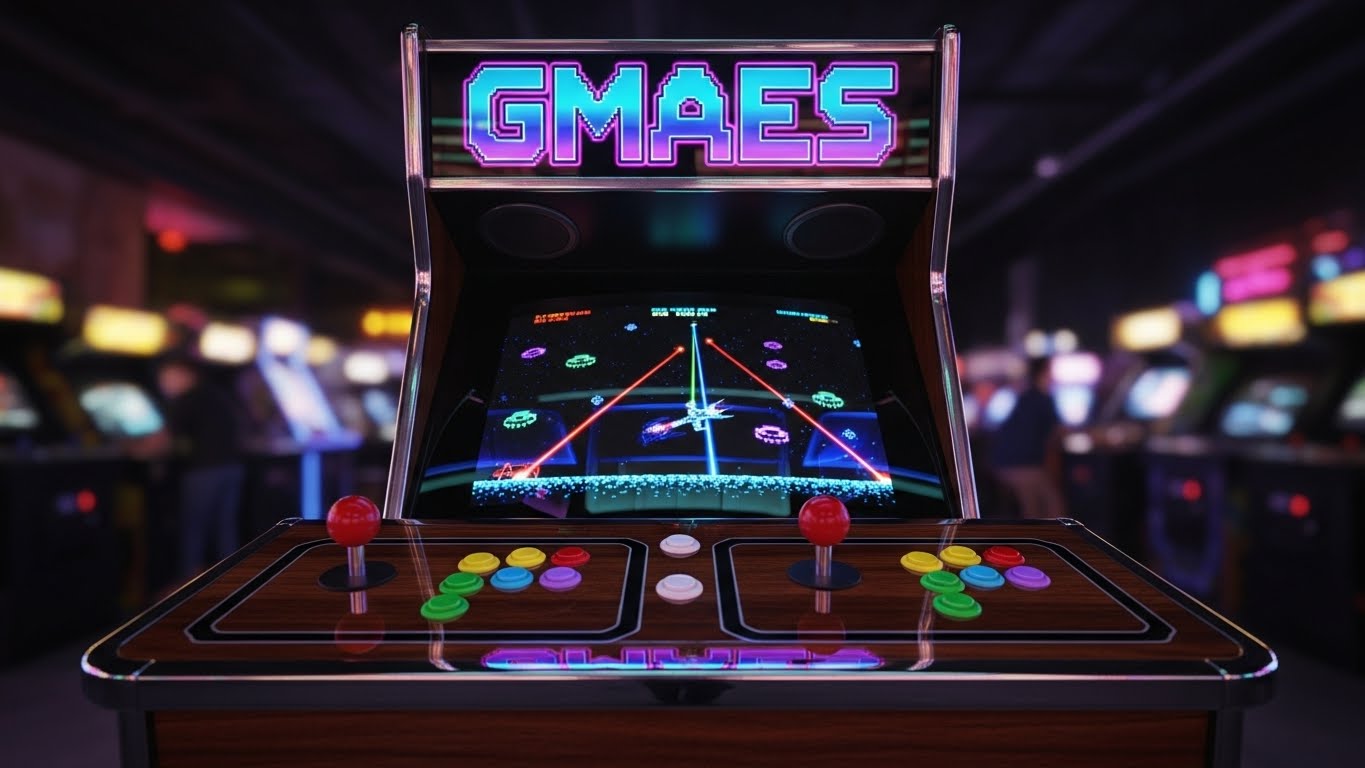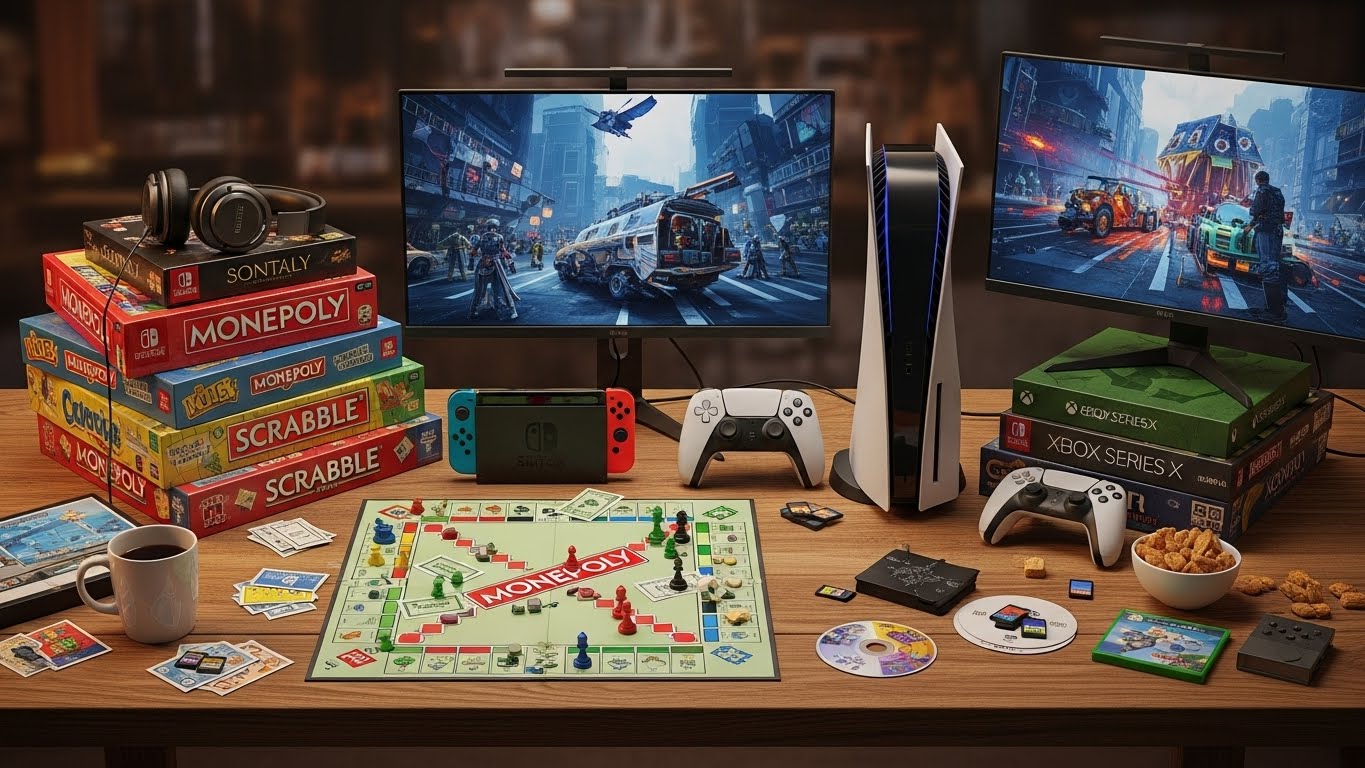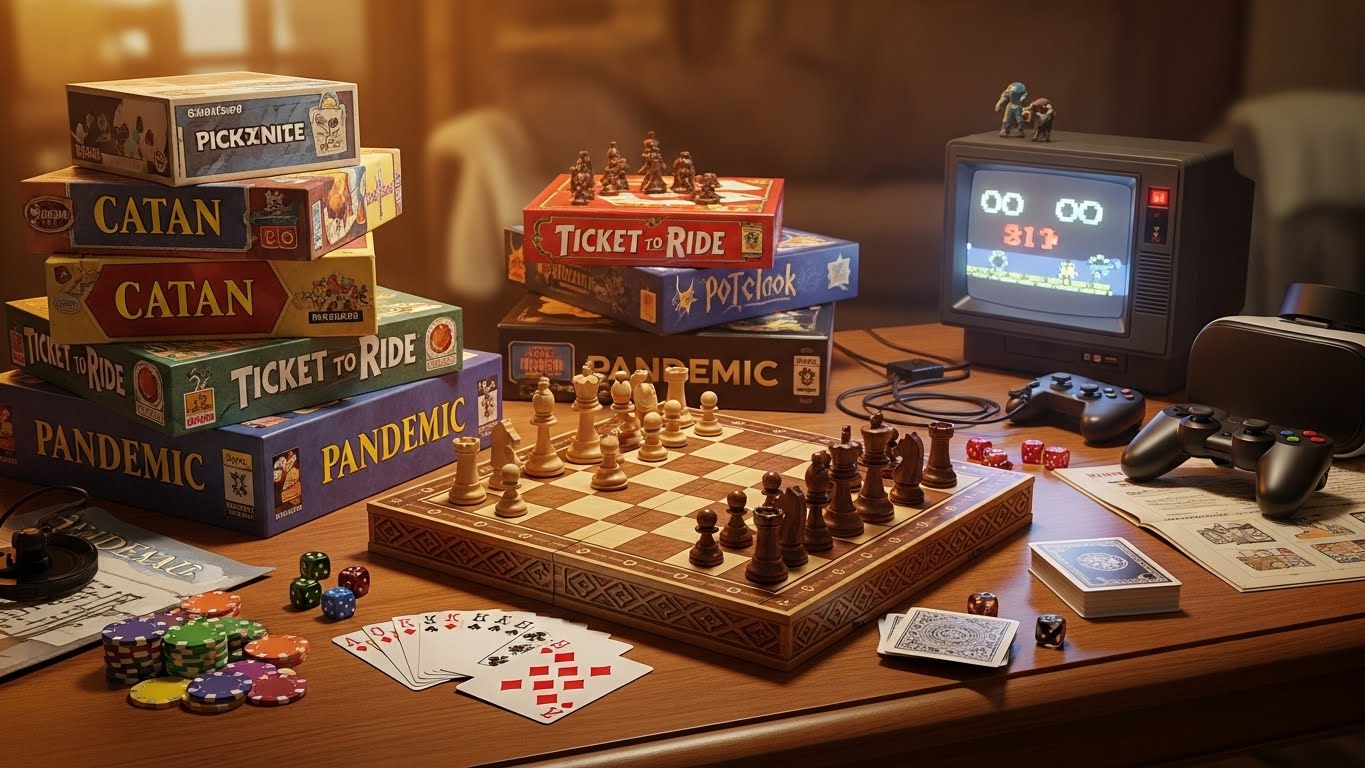

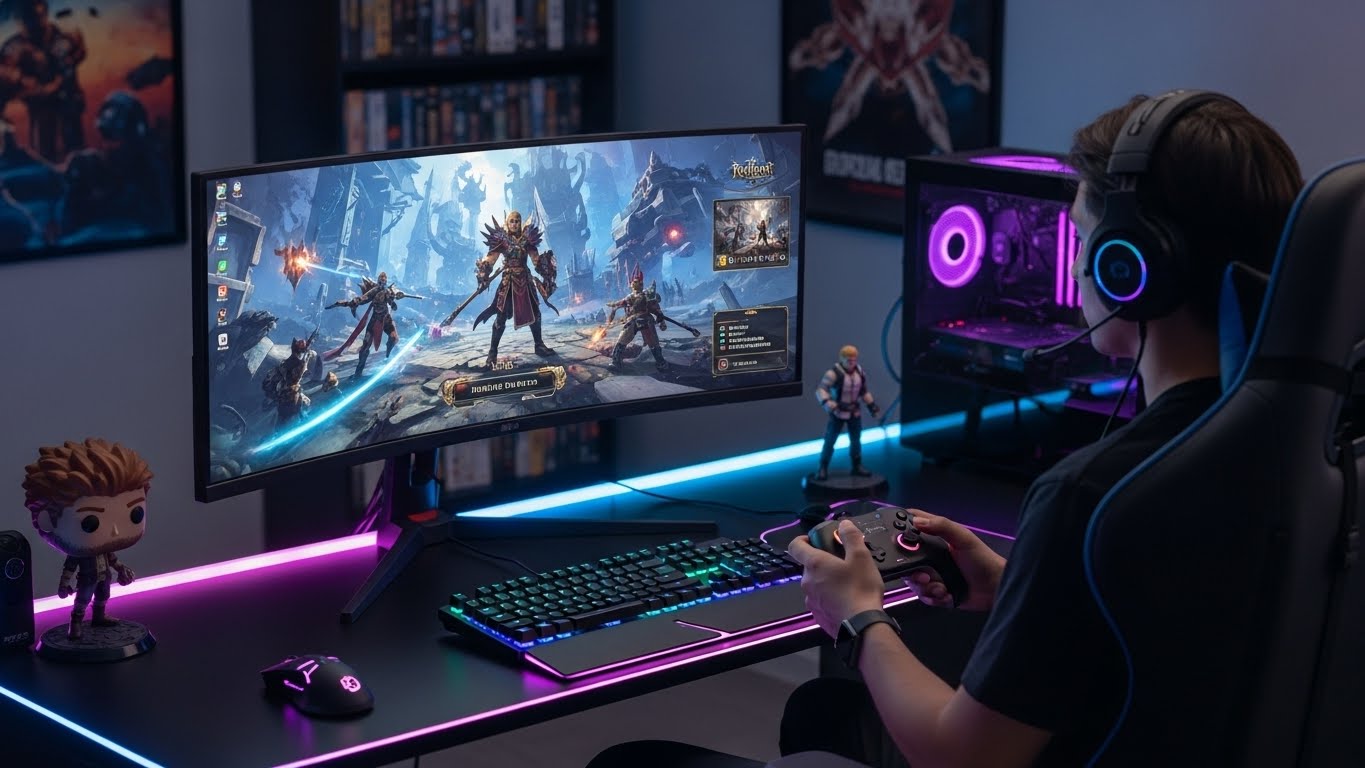
Games are deeply woven into the fabric of human life. Long before modern technology, people played games to learn, compete, bond, and find joy. Today, games exist in countless forms, from traditional board games to advanced digital experiences that span entire virtual worlds. While the tools and platforms have changed, the essence of games remains the same. They challenge our minds, spark our imagination, and bring people together. This blog explores the importance of games, their evolution, their impact on society, and their growing role in the modern world.
The Meaning of Games in Human Life
At their core, games are structured forms of play. They involve rules, goals, challenges, and outcomes that create engagement and excitement. Games allow people to test their skills, experience competition, and enjoy moments of victory and defeat in a safe environment. Beyond entertainment, games help individuals develop patience, discipline, and problem-solving abilities. They teach us how to follow rules, adapt to change, and handle success and failure. This makes games valuable not only for fun but also for personal growth and learning.
Ancient Games and Early Civilization
Games have existed for thousands of years. Ancient civilizations created games that reflected their values and lifestyles. Board games were often used to teach strategy and foresight, while physical games helped build strength and coordination. In many cultures, games were part of religious rituals, royal courts, and community gatherings. These early games strengthened social bonds and passed knowledge from one generation to the next. The presence of games in ancient societies shows that play has always been essential to human development and connection.
The Role of Traditional Games
Traditional games such as chess, cards, and outdoor team games have stood the test of time. These games emphasize strategy, teamwork, and communication. They are often played face to face, encouraging direct social interaction and emotional connection. Traditional games bring families and friends together, creating shared memories and strengthening relationships. Even in today’s digital age, these games continue to thrive because they offer something irreplaceable: human connection without screens.
The Digital Transformation of Games
The introduction of digital technology changed games forever. Video games introduced interactive worlds where players could control characters, explore environments, and shape outcomes. Early digital games were simple, but they captured attention through challenge and competition. Over time, advancements in technology allowed developers to create complex worlds with detailed graphics, sound, and storytelling. Modern games can simulate real-life experiences or create entirely new realities, offering players freedom and immersion on an unprecedented scale.
Games as a Form of Interactive Storytelling
One of the most powerful aspects of modern games is their ability to tell stories. Unlike books or films, games allow players to actively participate in the narrative. Players make choices that influence characters, events, and endings. This level of interaction creates emotional investment and deeper engagement. Through storytelling, games explore themes such as courage, loss, friendship, and identity. They allow players to see the world from different perspectives, encouraging empathy and reflection.
Social Connection Through Games
Games are no longer solitary experiences. Multiplayer games allow people from different countries and cultures to connect and collaborate. Players form teams, build communities, and communicate in real time. These interactions often extend beyond the game itself, leading to lasting friendships. Games provide a shared language that brings people together regardless of age or background. For many, games are a way to feel connected in an increasingly digital and fast-paced world.
Games and Mental Development
Games play a significant role in mental development. Puzzle and strategy games improve memory, concentration, and logical thinking. Action games enhance reaction time and coordination. Role-playing games encourage planning and decision-making. By presenting challenges that require focus and creativity, games keep the brain active and engaged. For children and adults alike, games can be effective tools for learning and cognitive growth when played in a balanced way.
Emotional Benefits of Playing Games
Games also offer emotional benefits. They provide an escape from stress and daily pressure, allowing players to relax and recharge. Completing challenges and achieving goals within games creates a sense of accomplishment. Games can also serve as emotional outlets, helping players process feelings such as frustration, excitement, or sadness. In difficult times, games can offer comfort and a sense of control, making them a valuable source of emotional support.
Competitive Games and Skill Development
Competition has always been a natural part of games. Competitive games encourage players to improve their skills, think strategically, and perform under pressure. Whether played casually or professionally, competitive gaming builds discipline and resilience. Players learn to analyze mistakes, adapt strategies, and work as part of a team. These skills often transfer to real-life situations, including education and professional environments.
The Rise of Gaming as a Career
In recent years, gaming has become a legitimate career path for many people. Professional players, content creators, designers, and developers are shaping the future of the gaming industry. Competitive gaming events attract massive audiences, while game development studios continue to grow worldwide. Gaming careers require dedication, creativity, and technical expertise, proving that games are no longer just hobbies but powerful professional opportunities.
Games in Education and Training
Games are increasingly used in education and training. Educational games make learning more engaging by turning lessons into interactive experiences. Students learn faster when they are actively involved rather than passively consuming information. Simulation games are also used in professional training to prepare individuals for real-world scenarios. By combining learning with play, games make education more effective and enjoyable.
The Creative Power of Games
Games are a blend of art, technology, and imagination. Developers create detailed worlds, compelling characters, and innovative mechanics. Players often contribute creatively by customizing characters, building structures, or designing their own content. This collaboration between creators and players makes games living experiences that evolve over time. Creativity is at the heart of gaming, driving innovation and pushing boundaries.
Challenges and Responsible Gaming
Despite their many benefits, games must be played responsibly. Excessive gaming can affect physical health, social life, and productivity. It is important to maintain balance and ensure that games complement daily responsibilities rather than replace them. Encouraging healthy habits, setting limits, and choosing positive gaming environments help ensure that games remain enjoyable and beneficial.
The Future of Games
The future of games is filled with possibilities. Advances in technology will continue to make games more immersive and interactive. Virtual environments may become more realistic, and artificial intelligence may create smarter and more responsive game worlds. Games will continue to evolve as tools for entertainment, education, and social connection. As long as people seek challenge, creativity, and joy, games will remain a vital part of human culture.
Games as a Reflection of Society
Games reflect the values, struggles, and dreams of the societies that create them. They respond to cultural trends and technological changes, capturing moments in history through interactive experiences. As society evolves, games evolve with it, offering insight into how people think, feel, and connect with one another. This makes games not only entertaining but also culturally meaningful.
Conclusion: The Lasting Power of Games
Games are far more than simple entertainment. They are expressions of creativity, tools for learning, and bridges between people. From ancient pastimes to digital worlds, games have always played a crucial role in human life. They challenge us, inspire us, and bring us together. As technology advances and creativity expands, games will continue to shape how we learn, connect, and experience joy. In every era, games remind us of the importance of play and the endless possibilities it offers.