
Introduction: A World Built on Play
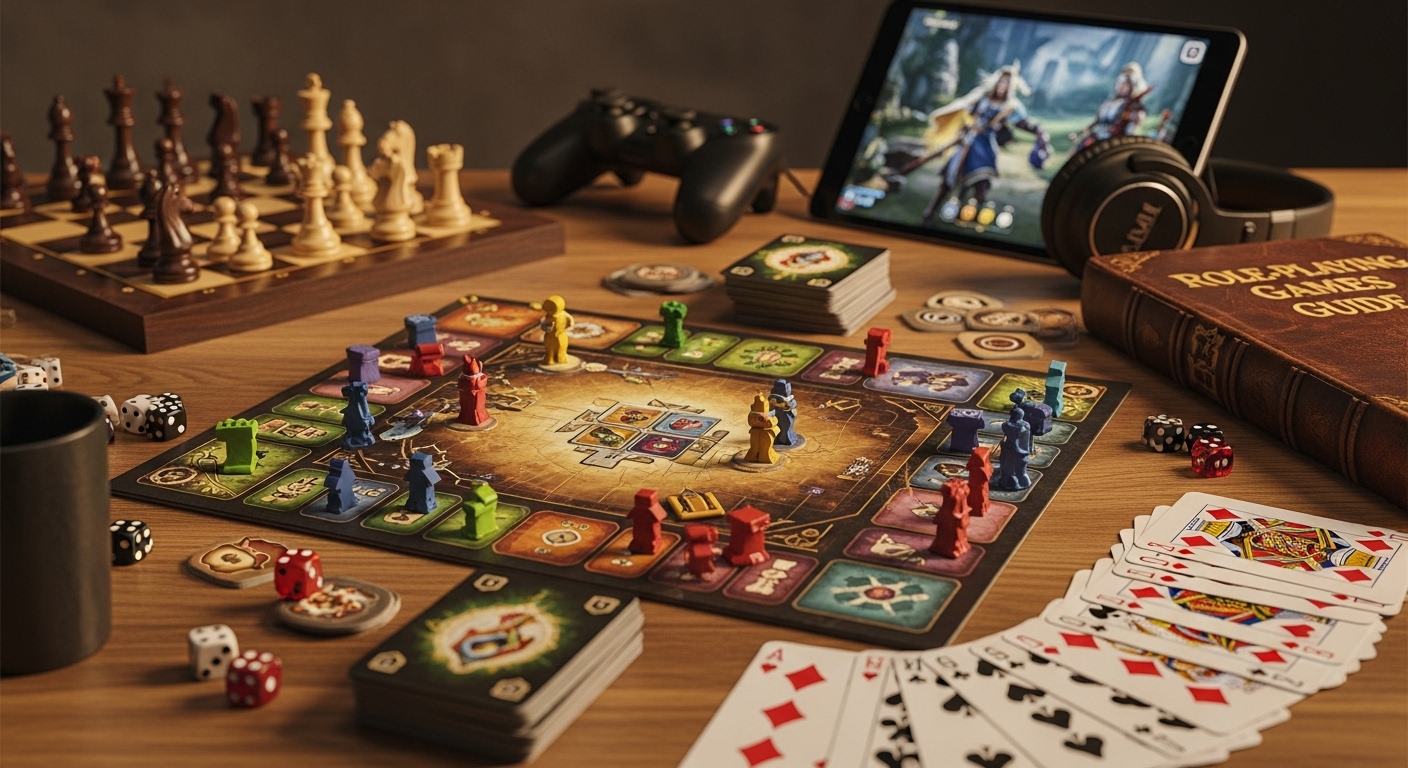
Games have been an essential part of human culture long before digital screens or modern consoles existed. From ancient board games carved into stone to the cutting-edge virtual adventures of today, humanity has always found joy, challenge, and meaning in play. Games are more than entertainment; they are tools for learning, storytelling, bonding, and exploring what the imagination can create. In the modern era, games have evolved into a global phenomenon that influences industries, communities, and even education. The world of games is vast, constantly evolving, and deeply woven into the fabric of our daily lives.
The Historical Roots of Games
Long before digital technology emerged, people played games to socialize, compete, and develop strategic thinking. Chess, for example, has been played for more than a thousand years and remains one of the most respected strategy games in the world. Traditional games like mancala, go, and backgammon demonstrate how ancient civilizations used play to develop mental skills and build social connections.
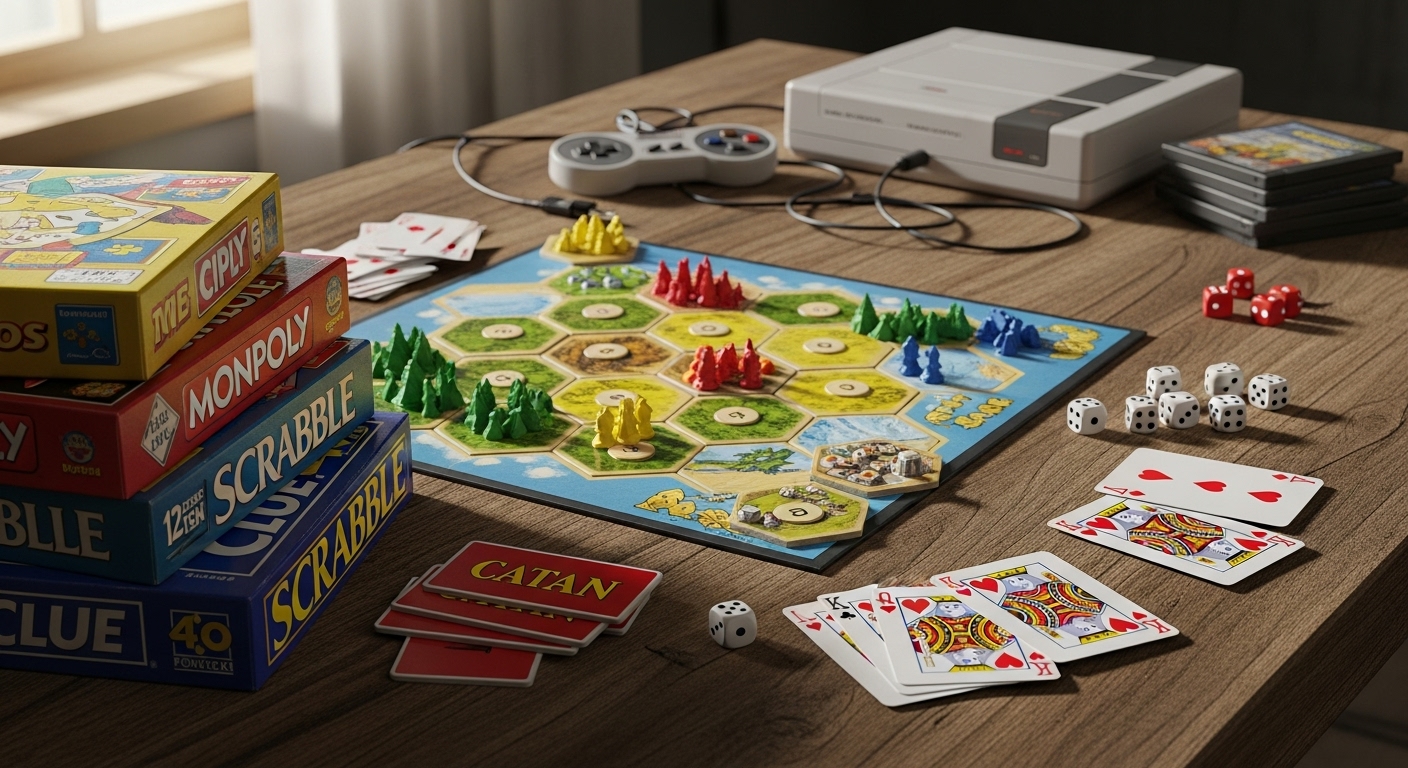
As societies evolved, so did their games. The industrial age brought card games and tabletop classics, allowing families and friends to gather around a shared activity. These historical foundations set the stage for the revolutionary shift that occurred with the birth of electronic gaming, sparking a new era that continues to expand today.
The Digital Revolution in Gaming
The introduction of digital technology transformed the gaming landscape entirely. Early video games like simple arcade classics opened the door to new forms of interactive entertainment. With each generation of consoles and computers, games grew more advanced, immersive, and complex.
Today’s games feature realistic graphics, deep storytelling, vast open worlds, and advanced artificial intelligence. Players can explore galaxies, build empires, solve mysteries, or compete in high-stakes battles from anywhere in the world. The digital revolution has turned games into an interactive art form, merging creativity, technology, and human experience in unprecedented ways.
Different Genres, Endless Adventures
One of the greatest strengths of games is their diversity. There is a genre for every type of player, each offering unique forms of engagement.
Action and Adventure Games
These games emphasize fast-paced gameplay, exploration, and storytelling. Players embark on heroic journeys, solve puzzles, and overcome obstacles that test both reflexes and strategy.
Strategy Games
Strategy games challenge players to think critically, plan ahead, and make difficult decisions. Whether managing resources, commanding armies, or building civilizations, these games develop problem-solving skills and patience.
Role-Playing Games
Role-playing games allow players to become characters in richly designed worlds. They make choices, shape their own stories, and experience emotional journeys that mirror cinematic storytelling.
Simulation Games
Simulations replicate real-life activities, from piloting aircraft to managing cities. These games blend realism with creativity, allowing players to experiment with real-world concepts in a safe environment.
Puzzle Games
Puzzle games stimulate the mind and enhance cognitive abilities. They encourage logical thinking, creativity, and persistence as players work to solve challenges of increasing difficulty.
Party and Casual Games
These games focus on social interaction and simple, accessible fun. They bring people together, whether at gatherings or through online play.
The variety of genres ensures that games appeal to all ages, interests, and skill levels, making them one of the most inclusive forms of entertainment.
The Social Power of Gaming
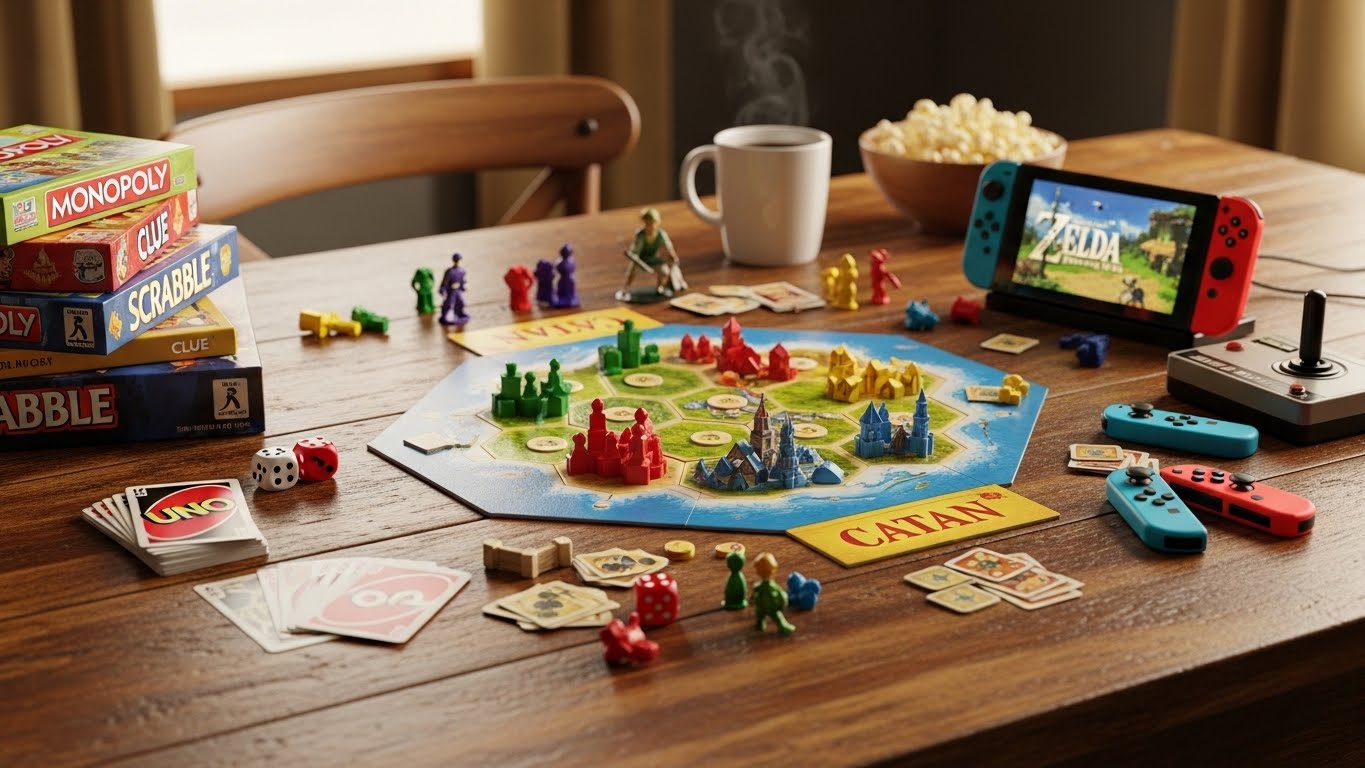
Games are often viewed as solitary activities, but they are increasingly becoming social experiences. Online multiplayer games connect millions of players across continents, creating global communities built around collaboration, competition, and shared passion. Gaming friendships often form across different cultures and languages, united by the common language of play.
Cooperative games encourage teamwork and communication, while competitive games teach resilience, quick thinking, and emotional control. For many people, gaming is a way to bond with family, reconnect with friends, or meet new people who share similar interests.
Games and Education: Learning Through Play
Modern educators recognize the power of games as learning tools. Educational games introduce concepts in a way that is interactive, engaging, and memorable. Even non-educational games can help develop valuable skills such as critical thinking, time management, creativity, and spatial awareness.
Gamification, the integration of game elements into learning or work environments, has become a popular technique for increasing motivation and productivity. Students often learn better when lessons feel like interactive experiences rather than traditional lectures.
Games have proven to be particularly effective for teaching subjects like math, science, history, and language. Their interactive nature helps students retain information and apply concepts actively rather than passively. This makes games a powerful bridge between entertainment and education.
The Psychological Benefits of Gaming
When played in moderation, games can offer numerous psychological benefits. They act as stress relievers, giving players an escape from daily pressures and allowing them to immerse themselves in different worlds or creative tasks. Games also enhance cognitive functions such as memory, decision-making, coordination, and problem-solving.
Many games involve overcoming obstacles or achieving goals, which reinforces a sense of accomplishment and confidence. Certain genres, such as puzzle or simulation games, promote mindfulness by encouraging players to focus deeply on the task at hand.
Additionally, story-driven games allow players to experience complex emotions, build empathy, and explore different perspectives. This emotional engagement can make games as meaningful as books or films.
The Economic Impact of the Gaming Industry
The gaming industry has grown into one of the largest entertainment sectors in the world. Its impact reaches far beyond entertainment, influencing technology, employment, and global markets. Video game developers, graphic designers, animators, writers, sound engineers, and countless other professionals contribute to the creation of modern games.
The industry drives innovation in fields like virtual reality, artificial intelligence, and computer graphics. It inspires new businesses, from streaming platforms to merchandise companies. As gaming continues to expand, its economic influence grows, opening new career paths and fostering technological breakthroughs.
The Community and Culture of Gaming
Video game communities are some of the most passionate and creative groups in modern culture. Fans create art, fan fiction, videos, forums, and entire online hubs dedicated to discussing their favorite games. Cosplay, where fans dress as characters from games, has become a global cultural phenomenon.
Esports, the competitive side of gaming, has elevated professional players into celebrities. Major tournaments attract huge audiences and demonstrate that gaming is not just a hobby but also a legitimate form of professional competition.
Gaming culture continues to shape fashion, music, entertainment, and even education. It influences how people communicate, collaborate, and express themselves creatively.
Challenges in the Gaming World
Despite its many benefits, the world of gaming faces challenges. Excessive gaming can lead to issues such as poor time management or neglect of responsibilities. Online communities sometimes struggle with toxic behavior, and developers must continually work to create safe, inclusive spaces for players.
Another challenge lies in ensuring accessibility so that people of all physical abilities can enjoy games. The industry is making progress by introducing customizable controls, visual aids, and adaptive devices, but more work remains to be done.
Balancing gaming with a healthy lifestyle is important, and communities, companies, and individuals must all contribute to creating a positive environment for players.
The Future of Games
The future of gaming is filled with limitless potential. Advances in technology will continue to shape immersive experiences, from virtual reality worlds to intelligent game systems that adapt to individual players. Games will become even more realistic, interactive, and emotionally engaging.
Cross-platform gaming will allow more players to connect without limitations. Artificial intelligence may enable characters to respond dynamically, creating unique experiences for every player. The boundaries between cinema, storytelling, and gaming will continue to blur, leading to entirely new forms of interactive art.
As society evolves, games will remain at the center of creativity, innovation, and cultural expression.
Conclusion: A Universe of Possibilities
Games are more than just entertainment; they are expressions of human imagination. They challenge, inspire, and unite us. They teach us to think, collaborate, and dream. From ancient board games to modern virtual adventures, games have always reflected our desire to explore the world and expand our minds.
As technology advances and creativity flourishes, the universe of games will continue to grow, offering new experiences, new stories, and new opportunities for players of all ages. The world of games is limitless, and its influence will continue shaping our culture, our learning, and our future.