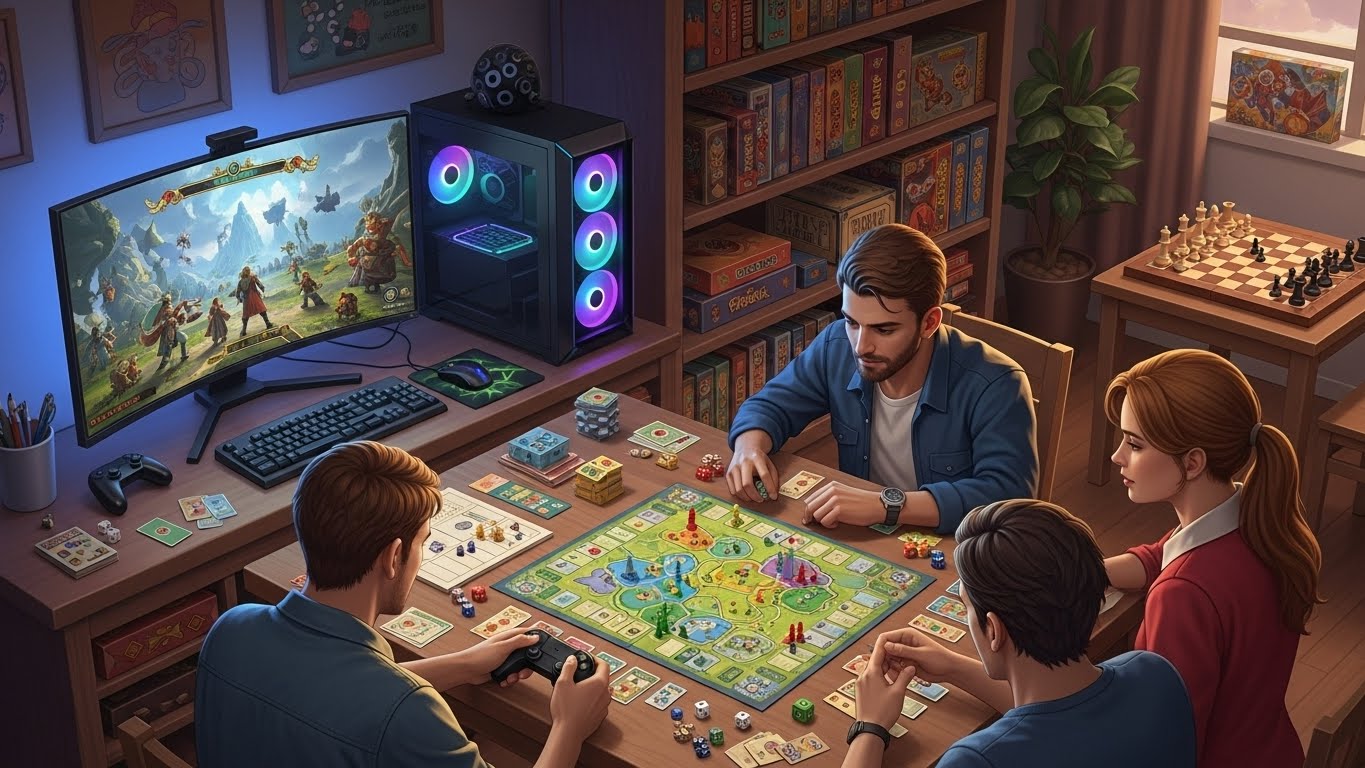


Games have been an integral part of human civilization for thousands of years. From simple board games played in ancient cultures to modern digital experiences, games entertain, challenge, educate, and connect people across the world. What began as a source of leisure has evolved into a dynamic and influential medium that touches nearly every aspect of life. In this blog, we will explore the evolution of games, their impact on individuals and society, and how they continue to redefine entertainment in the modern world.
The History and Evolution of Games
Games are as old as human culture itself. Archaeological evidence suggests that ancient civilizations enjoyed games for recreation, strategy, and social bonding. Early examples include board games like Senet in Egypt and Go in China. These games were not only for entertainment but also served as tools for strategic thinking and learning.
With the passage of time, games evolved alongside technology. Chess emerged as a game of skill and strategy in medieval Europe, while card games became popular social activities around the world. In the 20th century, tabletop games and board games became widespread household entertainment, fostering family bonding and social interaction.
The introduction of electronic games in the late 20th century revolutionized the gaming industry. From arcade machines to home consoles, games became more interactive and immersive. The digital revolution introduced video games with advanced graphics, expansive worlds, and sophisticated mechanics. Today, games exist across multiple platforms, including PCs, consoles, mobile devices, and cloud-based systems, making them accessible to nearly everyone.
Games as a Form of Entertainment
Games are a primary source of entertainment for millions worldwide. Unlike passive forms of entertainment such as watching television or reading, games are interactive. They engage players by requiring decision-making, strategy, and skill. The challenge of overcoming obstacles, solving puzzles, or competing with others provides satisfaction and enjoyment that is unique to gaming.
Video games, tabletop games, and mobile games all offer diverse experiences. Some games are designed for casual enjoyment, providing light-hearted challenges and short sessions of fun. Others are highly immersive, offering complex worlds, narratives, and long-term objectives that keep players engaged for hours, days, or even years.
The entertainment value of games extends beyond gameplay. Many games include rich storytelling, memorable characters, and cinematic experiences that rival movies. Music, sound design, and visual aesthetics enhance immersion, making games a multi-sensory form of entertainment.
The Role of Games in Social Connection
Games are inherently social. From ancient board games to modern online multiplayer experiences, games have always brought people together. Playing games allows friends, family, and strangers to interact, collaborate, and compete in structured environments.
Online gaming has transformed social interaction by connecting people across the globe. Multiplayer games create communities where players work together, form teams, and strategize in real time. Esports tournaments draw massive audiences, fostering a sense of shared excitement and global connection.
Tabletop games and card games also encourage face-to-face interaction, improving communication skills and building relationships. These social aspects of gaming are essential, proving that games are more than just individual experiences—they are powerful tools for connection and collaboration.
Cognitive and Educational Benefits of Games
Games are not only fun—they are intellectually stimulating. Strategy games, puzzle games, and simulation games require critical thinking, problem-solving, and resource management. Players learn to analyze situations, make decisions under pressure, and adapt to evolving challenges.
Educational institutions have recognized the benefits of games in learning. Gamified education incorporates game mechanics to engage students, making subjects like mathematics, history, and science interactive and enjoyable. Simulation games teach concepts in real-world scenarios, helping players understand economics, management, and environmental science.
Beyond academic learning, games improve cognitive skills such as memory, attention, and spatial reasoning. Many games also promote perseverance, resilience, and patience, as players learn to overcome repeated challenges. These skills often transfer to real-life problem-solving and personal growth.
The Rise of Video Games and Digital Entertainment
The emergence of digital games transformed the landscape of entertainment. Video games offer interactive experiences that combine storytelling, mechanics, and player agency. Unlike passive forms of entertainment, players participate directly in shaping outcomes, making every session unique.
Modern games include genres such as action, adventure, role-playing, simulation, strategy, and sports. Open-world games allow players to explore vast digital environments, while competitive games encourage teamwork and skill mastery. Mobile games make gaming accessible on the go, while cloud gaming allows high-quality experiences on low-powered devices.
Digital games also foster creativity. Players can create content, design levels, and share experiences with communities worldwide. Platforms for streaming and social sharing allow gamers to showcase their skills and connect with fans, further blurring the line between entertainment and personal expression.
Games as a Storytelling Medium
Games have evolved into a powerful form of storytelling. Interactive narratives allow players to experience stories in ways that traditional media cannot replicate. Choices made by players influence outcomes, creating personalized and immersive experiences.
Role-playing and adventure games often explore complex themes such as morality, identity, heroism, and societal challenges. The interactive element makes the story resonate more deeply, as players feel responsible for the outcome of their actions.
Even casual games use storytelling to engage players, providing context and motivation for gameplay. Storytelling in games not only entertains but also fosters empathy, critical thinking, and emotional connection.
Esports: Gaming as a Professional Arena
Competitive gaming, or esports, has transformed games into professional arenas. Players dedicate hours to mastering mechanics, strategies, and teamwork to compete at elite levels. Tournaments attract millions of viewers globally, with prizes rivaling those of traditional sports.
Esports also creates opportunities beyond playing professionally. Commentators, analysts, coaches, event organizers, and content creators all contribute to the growing industry. Streaming platforms allow players to reach audiences worldwide, turning gaming skills and personality into careers.
The rise of esports has shifted public perception of games. No longer viewed solely as leisure, games are now recognized as a medium for skill development, professional growth, and global competition.
Psychological and Emotional Benefits of Games
Games provide mental and emotional benefits beyond entertainment. Playing games reduces stress, provides an outlet for relaxation, and boosts mood. The sense of achievement from completing challenges or winning competitions can improve self-esteem and confidence.
Games also encourage creativity. Players design strategies, build virtual worlds, and experiment with solutions in safe environments. The problem-solving skills and imaginative thinking developed in games often transfer to real-life situations.
Additionally, games teach resilience and patience. Overcoming repeated challenges fosters determination, adaptability, and the ability to manage setbacks effectively. These psychological benefits contribute to overall personal development.
Inclusivity and Accessibility in Games
The gaming industry has made significant progress in inclusivity and accessibility. Modern games feature diverse characters, narratives, and perspectives, reflecting the experiences of players worldwide. Inclusive design encourages empathy and representation while broadening the appeal of games.
Accessibility features such as customizable controls, visual aids, subtitles, and adaptive difficulty ensure that individuals with disabilities can participate fully. By prioritizing inclusivity, the gaming industry creates environments where everyone can enjoy and benefit from games.
Inclusivity in games also strengthens communities. Players from different backgrounds can connect, collaborate, and share experiences, fostering understanding and shared engagement.
The Cultural Impact of Games
Games influence culture in powerful ways. They shape fashion, music, language, and social trends. Iconic characters, memorable moments, and immersive worlds have become part of popular culture.
Streaming and content creation amplify the cultural reach of games. Gamers entertain, inspire, and influence audiences globally, contributing to a vibrant and dynamic community. Games serve as a lens through which society explores ideas, values, and creativity.
The cultural significance of games demonstrates that they are more than pastimes—they are mediums that reflect and shape human experience.
The Future of Games
The future of games is full of innovation and opportunity. Virtual reality and augmented reality will create even more immersive experiences. Artificial intelligence will enhance gameplay, making game worlds dynamic and responsive. Cloud technology will make high-quality gaming accessible to wider audiences.
Games will continue to integrate storytelling, education, and social interaction, creating richer experiences for players. Personalized and interactive games will adapt to individual preferences, offering unique and meaningful engagement.
As technology advances, the impact of games on entertainment, culture, education, and society will only grow. They will continue to challenge, inspire, and connect people in unprecedented ways.
Conclusion: Games as a Transformative Medium
Games have evolved from simple pastimes into complex, interactive, and influential experiences. They entertain, educate, and connect people across the globe. From cognitive benefits and emotional engagement to social connection and professional opportunities, games impact multiple aspects of life.
Whether playing casually, competing professionally, or exploring immersive narratives, games offer experiences that foster creativity, resilience, and personal growth. Their cultural and technological influence continues to expand, shaping society in ways that go far beyond entertainment.
Games are not merely a form of leisure—they are a transformative medium that inspires, challenges, and connects humanity. As the gaming industry evolves, the possibilities for innovation, creativity, and connection are limitless, making games one of the most dynamic forces in modern culture.