

Introduction
Games have always been a part of human culture, from the earliest board games carved in stone to the immersive digital adventures of today. Over time, gaming has evolved from a simple pastime into one of the most powerful forms of entertainment, education, and even social connection. What began as pixels on a screen has transformed into breathtaking virtual worlds where players can explore, compete, and create. The gaming industry is now larger than the film and music industries combined, reflecting its immense global influence. This evolution of games is not just about technology but also about imagination, creativity, and the universal human desire for play.
The Evolution of Gaming
The history of gaming is a story of constant innovation. The first computer games in the 1950s and 1960s were basic, often designed by scientists and programmers as experiments. Titles like Pong and Space Invaders in the 1970s introduced gaming to mainstream audiences, laying the foundation for what would become a multi-billion-dollar industry. The 1980s and 1990s marked the golden age of gaming, with consoles like the Nintendo Entertainment System, Sega Genesis, and PlayStation changing the landscape of home entertainment forever.
As technology advanced, games became more complex, visually stunning, and emotionally engaging. The early 2000s introduced 3D graphics, storytelling-driven adventures, and online multiplayer modes. These innovations transformed games from isolated experiences into interactive communities. Today, games are more than just about fun; they are platforms for expression, creativity, and global connection.
The Power of Storytelling in Games
Modern games have become a form of storytelling that rivals books and movies. Developers create narratives that allow players to experience emotions, make moral choices, and explore complex worlds. Story-driven games such as role-playing adventures and interactive dramas have blurred the line between entertainment and art. Players are no longer just observers; they are active participants shaping the outcome of the story.
What makes gaming storytelling unique is interactivity. Every decision a player makes can alter the course of the game, giving them agency and emotional investment in the narrative. This sense of participation creates a powerful connection between the player and the virtual world, turning games into unforgettable experiences that stay with players long after the screen fades to black.
Technological Advancements Transforming Games
The rapid evolution of technology has revolutionized gaming in unimaginable ways. High-definition graphics, motion sensors, virtual reality, and artificial intelligence have taken immersion to new heights. Players can now experience lifelike environments, realistic physics, and dynamic weather systems that respond to their actions.
Cloud gaming has also transformed accessibility, allowing people to play high-end games without powerful hardware. Artificial intelligence has enhanced the behavior of non-player characters, making them more realistic and challenging. Meanwhile, virtual reality and augmented reality have introduced entirely new ways to play, placing players directly inside the game world. These innovations not only push the boundaries of entertainment but also open doors for new genres and creative possibilities.
The Rise of Online and Multiplayer Gaming
Online multiplayer gaming has turned play into a global social activity. Instead of competing against computer-generated opponents, players now face real people from around the world. Games such as battle royales, team-based shooters, and strategy titles have created massive online communities. These platforms encourage teamwork, communication, and competition, fostering friendships that span across continents.
Online gaming has also given rise to new subcultures and trends. Streamers and content creators share their experiences with millions of viewers, transforming gaming into a spectator sport. Multiplayer platforms offer events, tournaments, and live challenges that bring players together in shared excitement. The sense of community that arises from online gaming is one of its greatest strengths, demonstrating that play can unite people despite language, geography, or culture.
Mobile Gaming: Play Anytime, Anywhere
The introduction of smartphones has made gaming more accessible than ever. Mobile gaming has brought entertainment to the fingertips of billions, allowing people to play on the go. Whether it is puzzle games, strategy titles, or massive multiplayer experiences, mobile platforms have made gaming an everyday habit for people of all ages.
The simplicity of mobile games combined with their convenience has expanded the gaming audience beyond traditional players. Casual games appeal to those who play for relaxation, while competitive mobile titles attract dedicated players who invest hours mastering their skills. This blend of accessibility and depth has made mobile gaming one of the largest segments of the industry today.
Esports: The New Face of Competitive Gaming
Competitive gaming, or esports, has become a global sensation. What started as small local tournaments has grown into a professional industry with packed stadiums and millions of online viewers. Esports athletes train rigorously, competing in games that require reflexes, strategy, and teamwork. Titles such as shooters, battle arenas, and strategy games have become central to the esports ecosystem.
Esports has changed perceptions of gaming, proving that it is not just recreation but a legitimate competitive discipline. Major organizations sponsor teams, and universities offer scholarships to talented players. With lucrative prize pools and global recognition, esports represents the merging of skill, technology, and entertainment. It has also inspired a new generation of players to see gaming as a career rather than just a hobby.
Games as a Medium for Creativity and Expression
Beyond competition and entertainment, games have become powerful tools for creativity. Many modern titles allow players to build, design, and create within virtual worlds. Sandbox and simulation games give users the freedom to construct cities, design landscapes, or craft unique stories. Players are no longer just consumers but creators who shape their experiences.
Independent game developers have also contributed to this creative movement by exploring unconventional ideas and art styles. Indie games often focus on emotion, storytelling, or experimental gameplay, pushing the boundaries of what a game can be. This creative diversity has enriched the industry, proving that great games come not only from large studios but also from passionate individuals.
The Educational Value of Games
While gaming is often associated with entertainment, its educational potential is immense. Games can enhance cognitive skills, problem-solving abilities, and hand-eye coordination. Strategy games teach planning and decision-making, while puzzle games improve memory and concentration. Educational games designed for children make learning interactive and enjoyable, transforming complex concepts into engaging experiences.
Beyond formal education, games can also foster empathy and awareness. Story-driven titles addressing social issues encourage players to see the world from different perspectives. Historical games allow players to explore past events, while simulations teach critical thinking and collaboration. In this sense, gaming can be both entertaining and enlightening.
The Psychological Benefits of Gaming
Contrary to outdated stereotypes, gaming offers several mental health benefits when enjoyed responsibly. It provides an escape from stress, allowing players to unwind and recharge. Cooperative games promote teamwork and communication, while achievements and progress systems boost motivation and self-confidence.
Moreover, gaming communities provide social support and belonging. For many, online friendships formed through gaming are as meaningful as those in real life. Games also encourage perseverance by rewarding effort and strategy, teaching valuable lessons about persistence and adaptation. When balanced with other activities, gaming can contribute positively to overall well-being.
The Business and Economics of Gaming
The gaming industry has become a powerhouse in the global economy, generating billions of dollars annually. It creates jobs for developers, artists, writers, designers, and marketers, forming a vast ecosystem that thrives on innovation. The growth of digital distribution has made it easier for developers to reach players directly, reducing barriers to entry and fostering creativity.
Microtransactions, downloadable content, and subscription models have introduced new ways for companies to sustain their games over time. While these monetization strategies can be controversial, they also reflect the evolving nature of business in the digital age. The rise of cloud services and streaming platforms continues to redefine how games are distributed and consumed.
Virtual Reality and the Future of Gaming
The future of gaming is being shaped by emerging technologies such as virtual reality, augmented reality, and artificial intelligence. Virtual reality immerses players in 360-degree environments, making them feel physically present within the game world. Augmented reality, on the other hand, blends digital elements with the real world, creating interactive experiences that extend beyond the screen.
Artificial intelligence is also transforming game design. Adaptive difficulty levels, intelligent opponents, and personalized content make every session unique. As 5G networks expand, latency-free cloud gaming will allow seamless experiences across devices. These innovations promise a future where the boundary between reality and the digital world becomes increasingly blurred.
Cultural Impact of Gaming
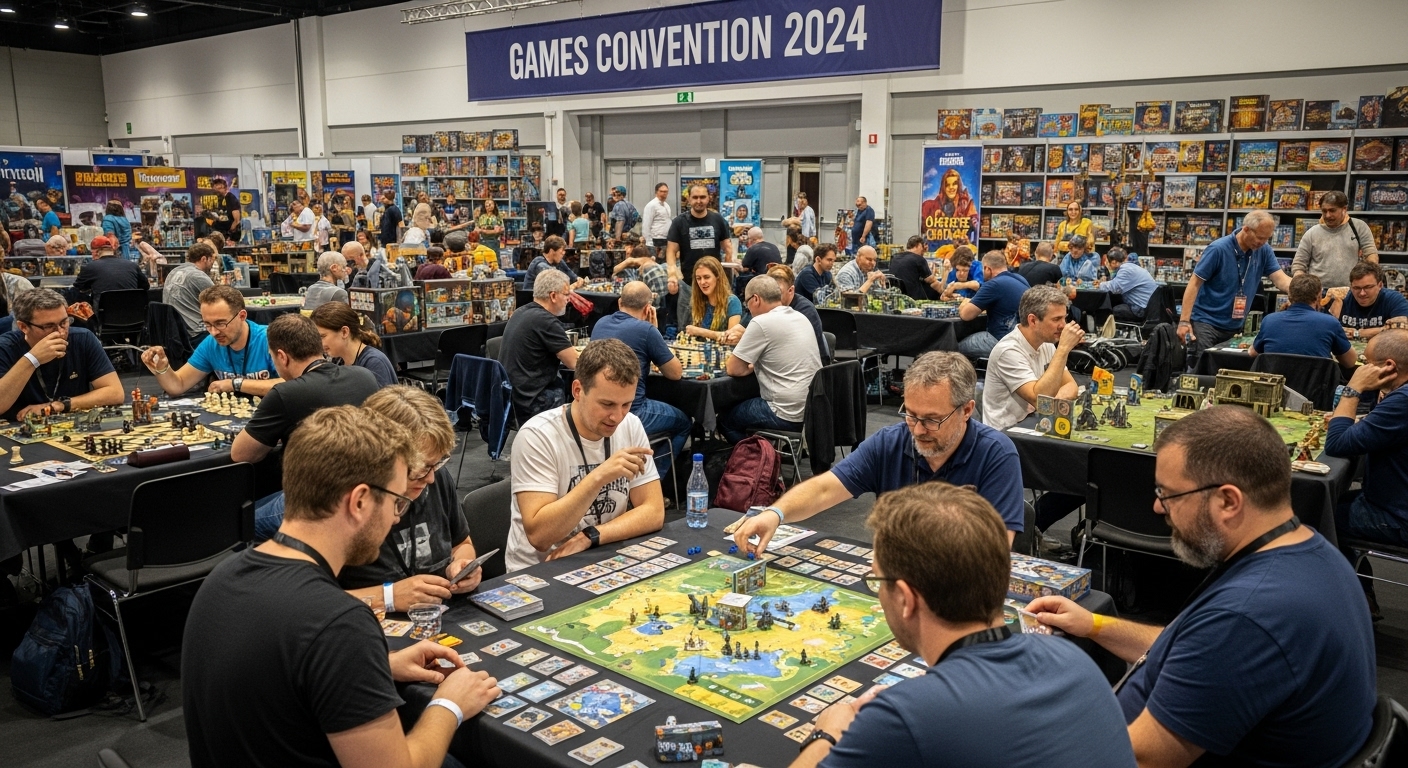
Games have become a defining part of global culture. They influence music, fashion, language, and art. Popular game characters and stories have become icons, inspiring movies, merchandise, and fan communities. Gaming conventions and events attract millions of attendees, celebrating creativity and innovation.
Gaming has also become a tool for connection, bridging cultural divides and uniting people through shared experiences. Whether through cooperative missions or competitive matches, games create bonds that transcend geography. This cultural influence underscores the power of play as a universal language that brings people together.
Challenges Facing the Gaming Industry
Despite its success, the gaming industry faces several challenges. Issues such as addiction, online toxicity, and data privacy require ongoing attention. Developers and communities must promote responsible gaming habits and create safe, inclusive spaces for all players.
Moreover, the pressure for constant innovation can lead to long working hours and burnout among developers. Addressing these concerns is essential for maintaining a healthy, sustainable industry. The future of gaming depends on balancing creativity, ethics, and the well-being of both players and creators.
Conclusion
Gaming has transcended its origins to become one of the most powerful forms of modern expression. It combines art, technology, and storytelling to create experiences that entertain, educate, and inspire. From casual mobile games to complex virtual worlds, gaming reflects humanity’s desire to explore, connect, and create.
As technology continues to advance, the possibilities for gaming are endless. It is not just about winning or losing but about the journey, the creativity, and the shared experiences that come with play. The world of games is a reflection of imagination without limits, and as it continues to evolve, it will shape the future of entertainment, culture, and digital interaction in ways we are only beginning to understand.