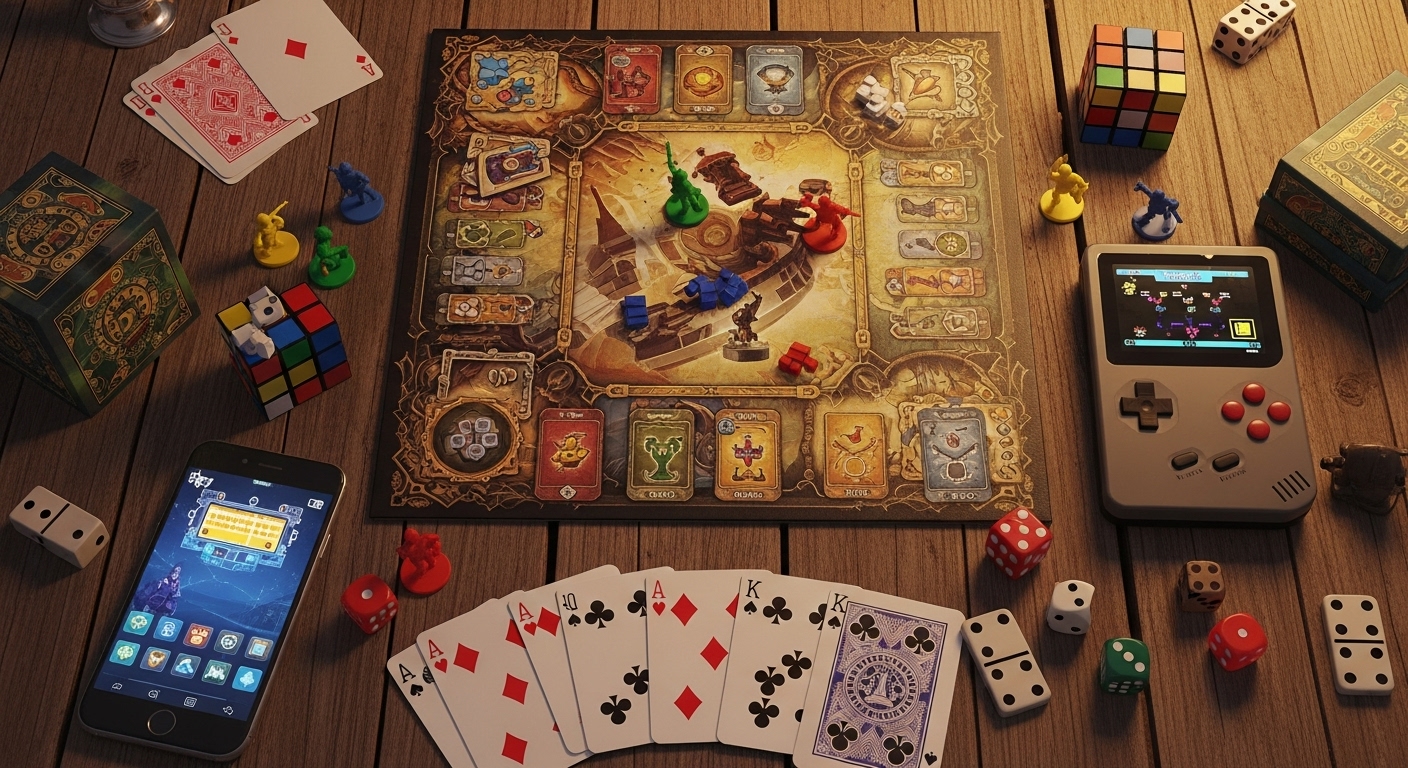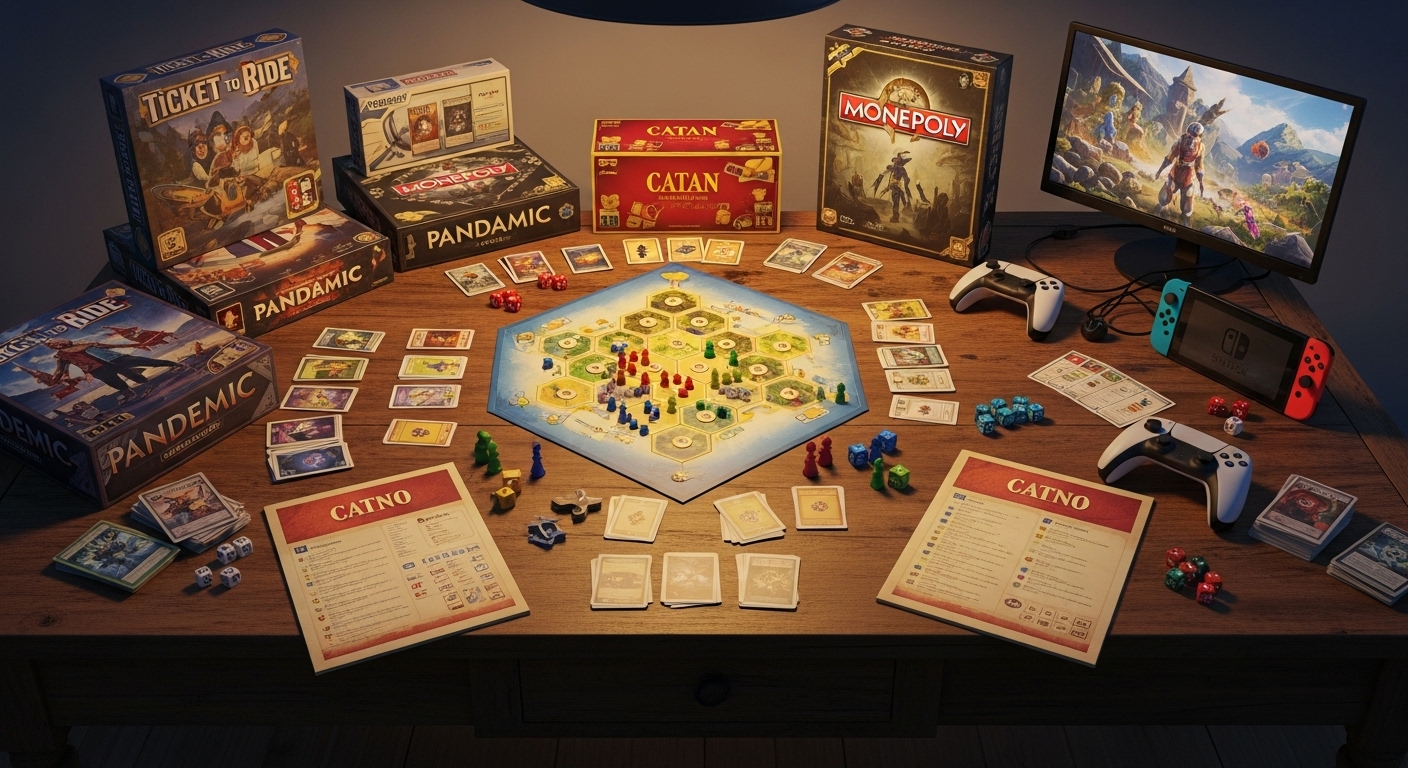

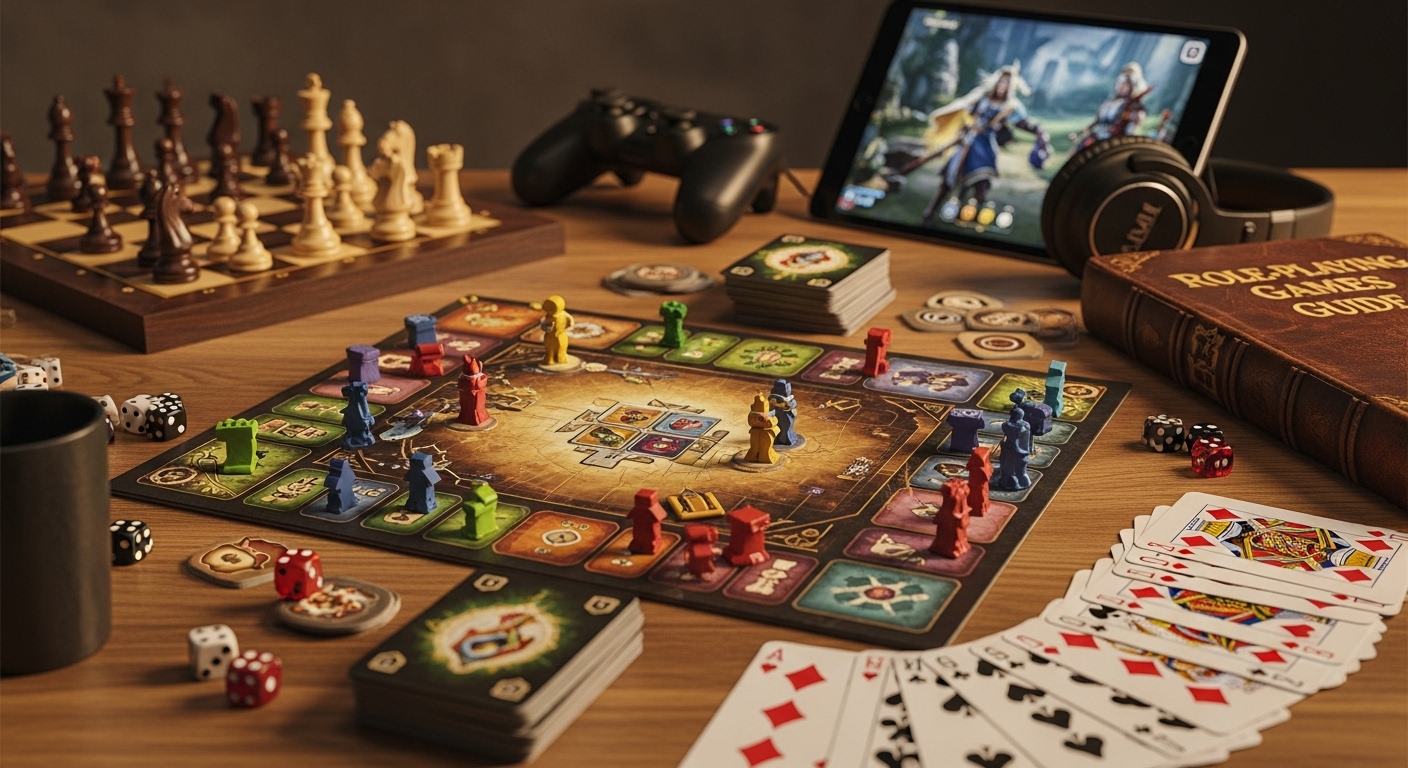
Games have been a part of human culture for millennia. From the ancient Egyptians playing Senet to the rise of modern video games that immerse players in expansive virtual worlds, games have evolved in both form and function. They bring people together, stimulate our minds, and, in many cases, provide an escape from reality. This blog explores the rich history, significance, and future of games, focusing on how they have shaped society and why they continue to captivate millions of people worldwide.
The Origins of Games: Early Entertainment and Social Interaction
The history of games stretches back to ancient times, and they have always been more than just a form of entertainment. Games have served as tools for learning, social interaction, and even as reflections of cultural values. In many ancient civilizations, games were deeply woven into the social fabric, playing roles in rituals, education, and social cohesion.
One of the oldest known games is Senet, an ancient Egyptian game that dates back to around 3100 BCE. It was not only a form of entertainment but also held symbolic meaning, reflecting the journey of the soul through the afterlife. The game’s strategic gameplay involved players moving pieces across a board, with the objective being to reach the end first—an analogy for navigating life’s challenges.
Similarly, the ancient Greeks and Romans played games such as dice, knucklebones, and board games, which served as both recreational activities and methods of fostering camaraderie. In the Middle Ages, games like chess became popular among royalty and intellectuals, reinforcing the idea that games were tools for mental exercise and strategic thinking.
These early games laid the groundwork for the evolution of more complex forms of play and entertainment, setting the stage for the creation of modern games we know today.
The Rise of Board Games and Card Games
Board games and card games represent two of the most enduring forms of play throughout history. By the 15th century, playing cards had spread across Europe, and games like poker, bridge, and rummy began to take shape. These card games not only entertained but also served as platforms for socializing and intellectual challenge.
Board games such as Monopoly, Scrabble, and Risk revolutionized family entertainment in the 20th century. These games became household staples, bringing families together around a table to share in the excitement of competition and strategy. Games like these are notable for their ability to create lasting memories, as well as their role in teaching valuable skills such as strategic thinking, probability, and social interaction.
The success of board games like Settlers of Catan in the late 1990s also demonstrated the growing popularity of games that were not solely based on luck but involved skill, negotiation, and interaction between players. The social aspect of these games—whether they were played with family members or strangers at a game night—cemented board games as an enduring form of social entertainment.
The Video Game Revolution: A New Era of Interactive Entertainment
While traditional games like board games and card games have remained popular, the biggest transformation in the world of games has been the rise of video games. In the 1970s, video games began to make their mark in arcades, with early titles like Pong and Space Invaders introducing the concept of interactive entertainment. These simple games were easy to pick up and play, but the sense of challenge and achievement they offered laid the foundation for the booming gaming industry that would follow.
In the 1980s and 1990s, home consoles such as the Nintendo Entertainment System (NES), Sega Genesis, and PlayStation brought gaming into living rooms across the globe. These platforms ushered in a new era of games that could be enjoyed alone or with friends, whether through competitive multiplayer titles like Super Mario Kart or immersive role-playing games (RPGs) like The Legend of Zelda and Final Fantasy. The advancement of graphics and sound technology allowed for deeper, more engaging worlds, drawing players into stories and universes like never before.
The evolution of video games also introduced entirely new genres, from fighting games such as Street Fighter to sports games like FIFA and Madden NFL. These games captured the excitement of real-world sports, giving players the ability to compete against one another digitally. The social aspect of multiplayer gaming grew rapidly, especially with the advent of online gaming in the late 1990s and early 2000s, allowing players from across the world to connect and compete in real-time.
The Growth of Mobile and Casual Gaming
The rise of mobile phones in the 2000s brought about another major shift in the gaming landscape. Mobile gaming, facilitated by the smartphone revolution, became a dominant force in the gaming industry. Games like Angry Birds and Candy Crush reached millions of casual players who may not have considered themselves “gamers” in the traditional sense.
Mobile games have played a critical role in democratizing gaming, making it accessible to people of all ages, backgrounds, and skill levels. The simplicity of many mobile games, combined with their availability on devices that people carry with them everywhere, has created a new era of gaming that is not limited by location or technical skill. These games are often easy to pick up and play, offering quick bursts of entertainment without requiring long hours of commitment.
The shift toward mobile gaming also led to the development of “freemium” models, where players can download and play games for free but can choose to make in-game purchases for enhancements, extra content, or cosmetics. This model has proven to be highly successful, contributing to the booming global gaming economy.
The Rise of Online Gaming and eSports
The 21st century has brought an exciting new dimension to the world of games: online gaming. With the rise of broadband internet, it became possible to connect players across vast distances, and multiplayer online games became the norm. Titles like World of Warcraft, League of Legends, and Fortnite allow millions of players to interact with one another in massive, persistent online worlds.
One of the most exciting developments in online gaming has been the growth of eSports—competitive gaming on a professional level. What began as small gatherings in college dorms or local arcades has evolved into a global industry with major tournaments, sponsorships, and millions of viewers. Games like Dota 2, Counter-Strike: Global Offensive, and Overwatch have become staples of eSports, offering players the chance to compete for large cash prizes and international fame.
eSports tournaments draw massive crowds, both in-person and through live-streaming platforms such as Twitch. The industry has grown so large that it now rivals traditional sports in terms of audience size and revenue. Additionally, eSports has created new opportunities for players, commentators, analysts, and game developers to build careers in the growing world of competitive gaming.
The Impact of Games on Society: Beyond Entertainment
Games have always served as more than just entertainment—they also reflect, influence, and even shape the societies that produce them. Video games, in particular, have become powerful storytelling mediums, with narratives that explore complex themes ranging from war and politics to identity and morality.
Games like The Last of Us and Red Dead Redemption offer cinematic storytelling that rivals Hollywood productions. These games tackle deep emotional and philosophical questions while providing players with the agency to explore and make choices that impact the narrative. The ability to immerse players in these complex, interactive worlds has made video games a legitimate art form.
Moreover, games have also been used to promote learning, cognitive development, and social change. Educational games, for instance, help children learn mathematics, history, and science in engaging ways. Simultaneously, games can foster collaboration, critical thinking, and problem-solving, making them valuable tools for developing skills that extend beyond the screen.
The Future of Games: Virtual Reality, Augmented Reality, and Beyond
Looking to the future, the world of games is poised for even more exciting transformations. Virtual Reality (VR) and Augmented Reality (AR) are set to take gaming to new heights, allowing players to experience immersive worlds in ways never before possible. VR headsets like the Oculus Rift and PlayStation VR are already providing gamers with an entirely new level of immersion, making the line between reality and virtual worlds blurrier than ever.
As these technologies advance, we may see games that allow players to physically move through environments, interact with objects, and even experience sensory feedback. Imagine exploring a medieval castle in VR, feeling the rush of wind in a racing game, or collaborating with others in an AR environment.
Additionally, artificial intelligence (AI) is likely to play an even larger role in shaping the future of games. AI could create more dynamic, responsive game worlds, where NPCs (non-player characters) react to players in real-time and adapt to their actions. This level of immersion could take interactive storytelling and world-building to unprecedented levels.
Conclusion: The Enduring Power of Games
Games have evolved from simple pastimes to complex, immersive experiences that engage millions of players worldwide. Whether they are played on a board, a console, a smartphone, or in a virtual reality environment, games have proven to be a timeless form of entertainment that crosses cultural, social, and generational boundaries.
As technology continues to advance, the future of games looks incredibly promising. New genres, innovations, and platforms will emerge, providing even more opportunities for people to connect, compete, and create. No matter how much the form of games changes, one thing is certain: they will continue to be a source of joy, challenge, and community for generations to come.