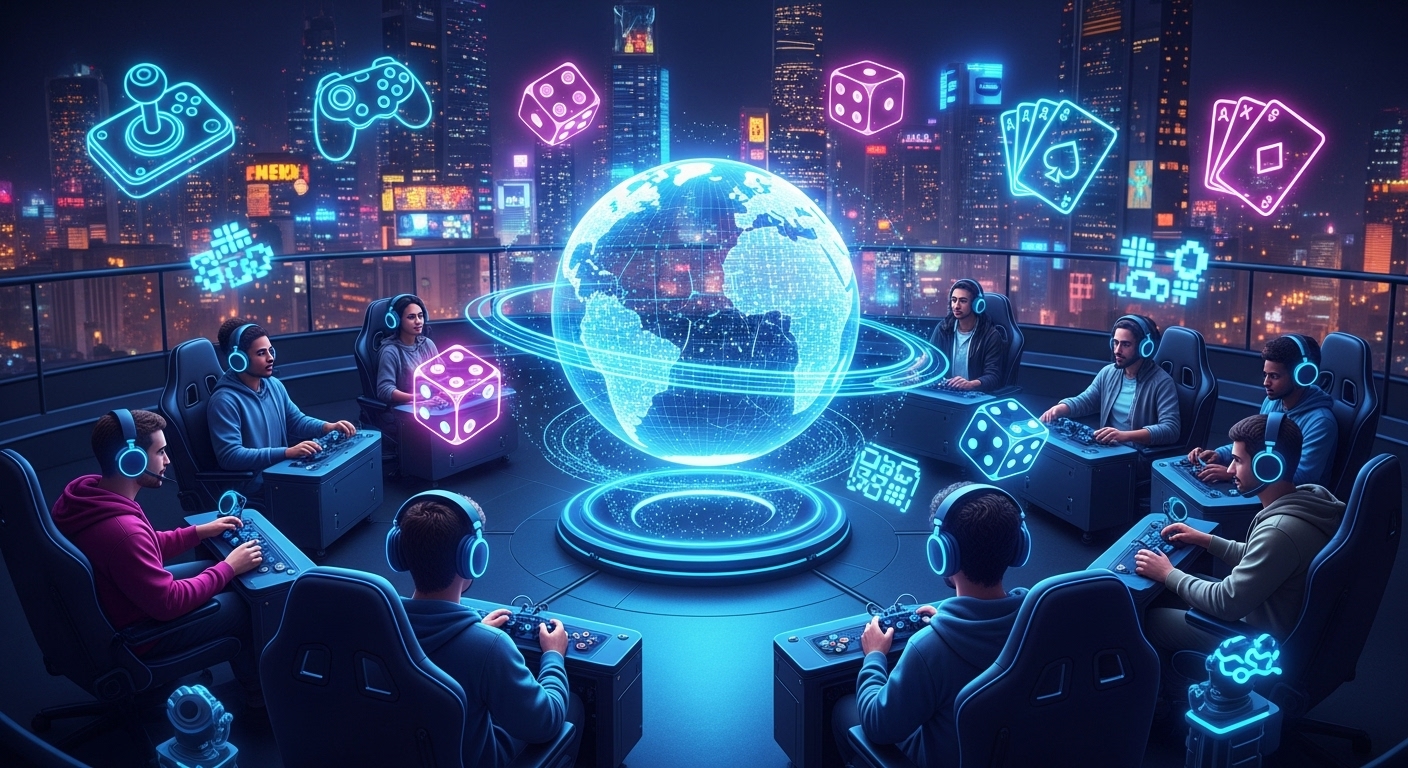


Introduction: The Allure of Games Across Time and Culture
Games have always held a special place in human culture. From ancient civilizations engaging in board games to modern-day digital experiences, they have served as a means of entertainment, social interaction, and intellectual stimulation. What makes games so appealing? Is it the thrill of competition, the satisfaction of achievement, or the sense of escapism? Today, games come in countless forms, spanning genres, platforms, and cultural boundaries. Whether played casually or competitively, games offer a universal language that connects people worldwide. This blog explores the journey of games, their impact on society, and what the future holds for this dynamic medium.
The Origins of Gaming: Simple Beginnings to Complex Designs
The history of games dates back thousands of years, with some of the earliest games designed to challenge the mind, test physical abilities, or provide social interaction. Games like Senet, found in ancient Egypt, and the royal game of Ur, dating back to Mesopotamia, are considered some of the first board games. These early games were not only a form of entertainment but also reflections of the cultures that created them. They were often symbolic, serving as tools for education, spiritual practices, or training for warfare.
As centuries passed, games evolved. The invention of chess in the 6th century AD marked the beginning of more strategic and intellectual games, laying the groundwork for modern game design. The shift from physical games to games involving technology began in the 20th century, with the advent of arcade games and the first home consoles. This evolution from simple board games to complex digital experiences has revolutionized the way people engage with games today.
The Rise of Video Games: A New Era of Entertainment
The introduction of video games in the 1950s and 1960s marked a transformative moment in entertainment. Early video games like Pong and Space Invaders brought the magic of gaming into arcades, where players could compete against each other for high scores. These early games were simple by today’s standards but offered a thrilling experience that resonated with players of all ages. As technology improved, the gaming industry expanded beyond arcades and into the home with the release of consoles like the Atari 2600 and the Nintendo Entertainment System (NES).
The 1990s witnessed the explosion of 3D graphics and the rise of iconic franchises like Super Mario, Sonic the Hedgehog, and The Legend of Zelda. These games introduced immersive worlds that players could explore and interact with, offering a level of engagement that was unparalleled at the time. Video games were no longer just a pastime; they had become an art form and a cultural phenomenon, with characters and storylines that left lasting impressions on players.
The Explosion of Mobile Gaming: Gaming on the Go
The rise of smartphones in the 2000s marked another pivotal moment in the history of gaming. Mobile phones, once used solely for communication, became powerful platforms for gaming. Casual games like Candy Crush, Angry Birds, and Pokémon Go brought gaming to a broader audience, including people who had never considered themselves gamers. The accessibility of mobile gaming allowed for short, quick sessions, making gaming a part of daily life for millions of people worldwide.
What made mobile gaming particularly appealing was its portability. Games could now be played anywhere, whether waiting in line, on public transportation, or during a break at work. Developers capitalized on this by creating games with simple mechanics, easy-to-learn controls, and addictive gameplay loops. Mobile gaming democratized access to games, breaking down the barriers between dedicated gamers and casual players.
The World of Competitive Gaming: eSports Takes the Spotlight
As gaming technology advanced, so too did the desire for competition. What started as friendly rivalries in arcades and home consoles grew into professional, organized competitions known as eSports. The eSports industry exploded in the early 2000s with games like StarCraft, Counter-Strike, and League of Legends, drawing large online audiences and huge prize pools. eSports has since become a global phenomenon, with tournaments broadcasted live on platforms like Twitch and YouTube.
Today, eSports is a multi-billion-dollar industry, with professional teams, coaches, analysts, and fans dedicated to competitive gaming. Major events like The International (Dota 2) and the League of Legends World Championship draw millions of viewers, rivaling traditional sports in terms of viewership and popularity. eSports has elevated gaming to a professional level, with players earning substantial salaries and sponsorships. The rise of eSports has proven that gaming is not just a casual hobby but a serious, competitive endeavor that can lead to career opportunities.
The Role of Technology in Shaping Gaming Experiences
The evolution of technology has been the driving force behind many of the advancements in gaming. Graphics, sound, and gameplay have all improved dramatically thanks to advancements in hardware and software. One of the most significant technological breakthroughs in gaming has been the development of virtual reality (VR) and augmented reality (AR). VR has created fully immersive worlds where players can interact with environments in ways that were previously unimaginable. Games like Beat Saber and Half-Life: Alyx have demonstrated the potential of VR, offering experiences that blur the line between the digital and physical worlds.
Meanwhile, AR has opened new possibilities for location-based gaming, as seen with Pokémon Go, which encouraged players to explore their surroundings while capturing virtual creatures. Cloud gaming, powered by services like Google Stadia and Xbox Cloud Gaming, is also shaping the future of gaming. Cloud gaming allows players to stream high-quality games without the need for expensive hardware, making gaming more accessible than ever before.
The Psychology of Gaming: Why We Play
At its core, gaming is about play—an activity that provides both enjoyment and challenge. Psychologically, games are incredibly engaging because they tap into several basic human desires. The sense of accomplishment gained from completing a challenge, whether it’s leveling up a character or solving a complex puzzle, activates the brain’s reward centers, releasing dopamine and creating a sense of pleasure. Games also provide a sense of progression, which can be highly motivating. Players can see tangible results from their efforts, such as gaining new skills or unlocking new content.
Additionally, gaming fosters a sense of social connection. Multiplayer games, whether cooperative or competitive, allow players to interact with others and build relationships. The community aspect of gaming is particularly powerful, as players from different cultures and backgrounds come together to share experiences. In a world where social isolation has become a significant issue, gaming provides a platform for people to connect, collaborate, and compete in a virtual space.
The Impact of Games on Culture and Society
Games are not just a form of entertainment—they are an integral part of culture and society. Throughout history, games have reflected the values, beliefs, and concerns of the societies that created them. For example, war-themed games like Call of Duty or Battlefield have explored the complexities of conflict and heroism, while games like Animal Crossing or Stardew Valley offer peaceful, pastoral escapes from the pressures of modern life.
In recent years, there has been a growing focus on diversity and representation in games. More developers are creating characters and stories that reflect the experiences of marginalized groups, allowing players to see themselves in the games they love. The success of games like The Last of Us, which features strong female and LGBTQ+ characters, has set a precedent for inclusive storytelling in the gaming industry.
Games also have the power to influence public opinion and raise awareness of important social issues. Titles like Papers, Please and This War of Mine explore the human cost of war, while others, such as Civilization and SimCity, challenge players to think critically about politics, economics, and the environment. Games, in many ways, serve as interactive forms of storytelling, encouraging players to engage with complex topics and explore alternative perspectives.
The Future of Gaming: Where Are We Headed?
As technology continues to advance, the future of gaming looks incredibly promising. Virtual reality and augmented reality will become more immersive, providing players with experiences that feel more lifelike than ever. Artificial intelligence will continue to improve, enabling games to adapt dynamically to player behavior and preferences. With the rise of cloud gaming, access to high-quality games will no longer be limited by hardware, opening up new opportunities for gamers worldwide.
The concept of the “metaverse” is also gaining traction, with companies like Facebook (now Meta) investing heavily in creating interconnected virtual worlds. In this vision of the future, players will be able to work, socialize, and play within a shared digital universe. The potential for cross-platform gaming will further blur the lines between traditional gaming devices, enabling players to interact seamlessly across different consoles, PCs, and mobile devices.
Conclusion: The Endless Possibilities of Gaming
From humble beginnings to cutting-edge technologies, games have come a long way. They have evolved from simple pastimes to complex, immersive experiences that engage players intellectually, emotionally, and socially. As gaming continues to grow and evolve, it will undoubtedly shape the way we interact with technology, culture, and each other. The future of gaming is filled with exciting possibilities, and the next chapter in this story is sure to be as innovative and transformative as the one we’ve just experienced.