
Introduction: The Timeless Joy of Games
Games have been a part of human culture since the beginning of civilization. From ancient board games played with stones and sticks to the latest virtual reality experiences, games have always held a special place in human life. They entertain, educate, challenge, and connect people in ways few other activities can. Today, games are not just a form of amusement; they are an integral part of social interaction, technological advancement, and creative expression. This evolution of games reflects the evolution of humanity itself—constantly adapting, improving, and finding new ways to engage the mind and soul.
The Historical Roots of Gaming
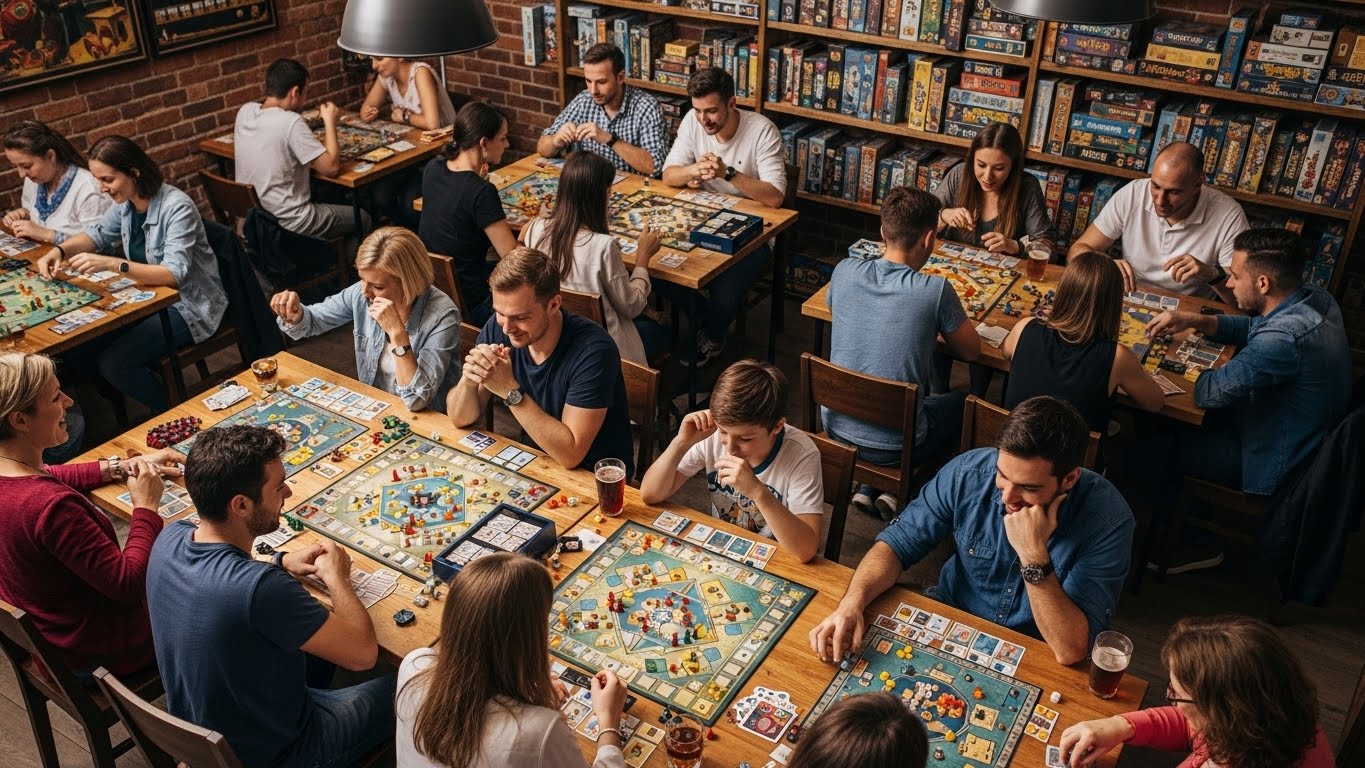
Long before digital screens and controllers existed, humans were inventing games to pass the time, test their wits, and strengthen community bonds. Archaeologists have found evidence of board games dating back over five thousand years. The Egyptians played Senet, the Chinese mastered Go, and the Indians developed Chaturanga, the early version of chess. These games were not only entertainment but also tools for strategy, discipline, and mental growth. They mirrored society’s values—teaching patience, foresight, and wisdom. Even in ancient times, people realized that play was essential to learning and creativity.
The Transformation into Modern Entertainment
The 20th century brought a new wave of games that changed the world forever. With the invention of cards, dice, and then mechanical devices, play became more accessible. However, the true revolution began when technology entered the scene. The rise of video games in the 1970s and 1980s transformed gaming into a digital art form. Titles like Pong, Space Invaders, and Pac-Man introduced the world to interactive entertainment. What started as simple graphics and sounds soon evolved into fully immersive experiences with storylines, characters, and emotional depth. This shift turned gaming into one of the most influential entertainment industries on the planet.
The Golden Age of Video Games
The late 1980s and 1990s are often referred to as the golden age of gaming. Companies like Nintendo, Sega, and later Sony introduced consoles that became household staples. Games such as Super Mario Bros, Sonic the Hedgehog, and The Legend of Zelda became symbols of a new generation. These games combined creativity, challenge, and storytelling in ways that captivated millions. The advancement in graphics, gameplay mechanics, and soundtracks transformed games into complete works of art. It was during this era that gaming became not just a pastime but a cultural identity for players around the world.
The Expansion of Gaming Platforms
As technology improved, so did the ways in which people could play games. The 2000s brought the rise of computers, handheld consoles, and eventually mobile devices. Suddenly, gaming was not restricted to one place—it was everywhere. Mobile gaming became a massive success, appealing to players of all ages. From puzzle games to large-scale adventures, smartphones made gaming more accessible and inclusive than ever before. Today, anyone can pick up a device and enter a world of imagination, strategy, and competition at any time.
The Power of Online Gaming and Global Communities
The introduction of the internet completely changed the meaning of gaming. No longer limited to solo play or local multiplayer, players could now connect with others across the globe. Online gaming gave rise to new friendships, rivalries, and communities that transcended borders. Titles like Counter-Strike, Fortnite, and League of Legends created digital worlds where millions of players interacted daily. Online gaming also introduced the concept of cooperative play, where teamwork became essential for success. This social aspect made gaming not just an individual experience but a shared journey filled with collaboration and competition.
Games as Tools of Learning and Development
Games are often misunderstood as distractions, but they have tremendous educational and developmental value. Many games enhance cognitive abilities, improve reflexes, and sharpen problem-solving skills. Strategy games like Civilization or chess require critical thinking and planning. Puzzle and simulation games improve focus and creativity. Even storytelling-based games teach empathy by allowing players to experience diverse perspectives. Educators have also begun to use games as teaching tools, recognizing that learning through play can be far more effective and engaging than traditional methods. Games are shaping the future of education by making learning an interactive experience.
The Emotional and Psychological Influence of Games
Games are not just mental challenges; they also evoke emotions and create deep connections. Story-driven games can make players laugh, cry, or reflect on life’s biggest questions. The narrative journeys in titles such as The Last of Us or Journey demonstrate how games can rival movies and novels in emotional depth. On a psychological level, gaming can serve as a stress reliever and mood booster. For many, it’s a way to unwind and escape reality for a moment. Of course, balance is important, but when enjoyed responsibly, gaming can have positive effects on emotional well-being.
The Rise of Esports: Gaming as a Profession
In the past, playing games was seen purely as recreation, but today it has become a legitimate profession. Esports—competitive gaming—has taken the world by storm. Millions of fans tune in to watch professional gamers compete for glory and huge prizes. These tournaments are broadcast worldwide, filling arenas just like traditional sports. Players train rigorously, strategize with teams, and display incredible skill. The rise of esports has opened career paths in gaming commentary, event management, and content creation. It has proven that passion and talent in gaming can lead to global recognition and financial success.
The Role of Technology in Shaping Games
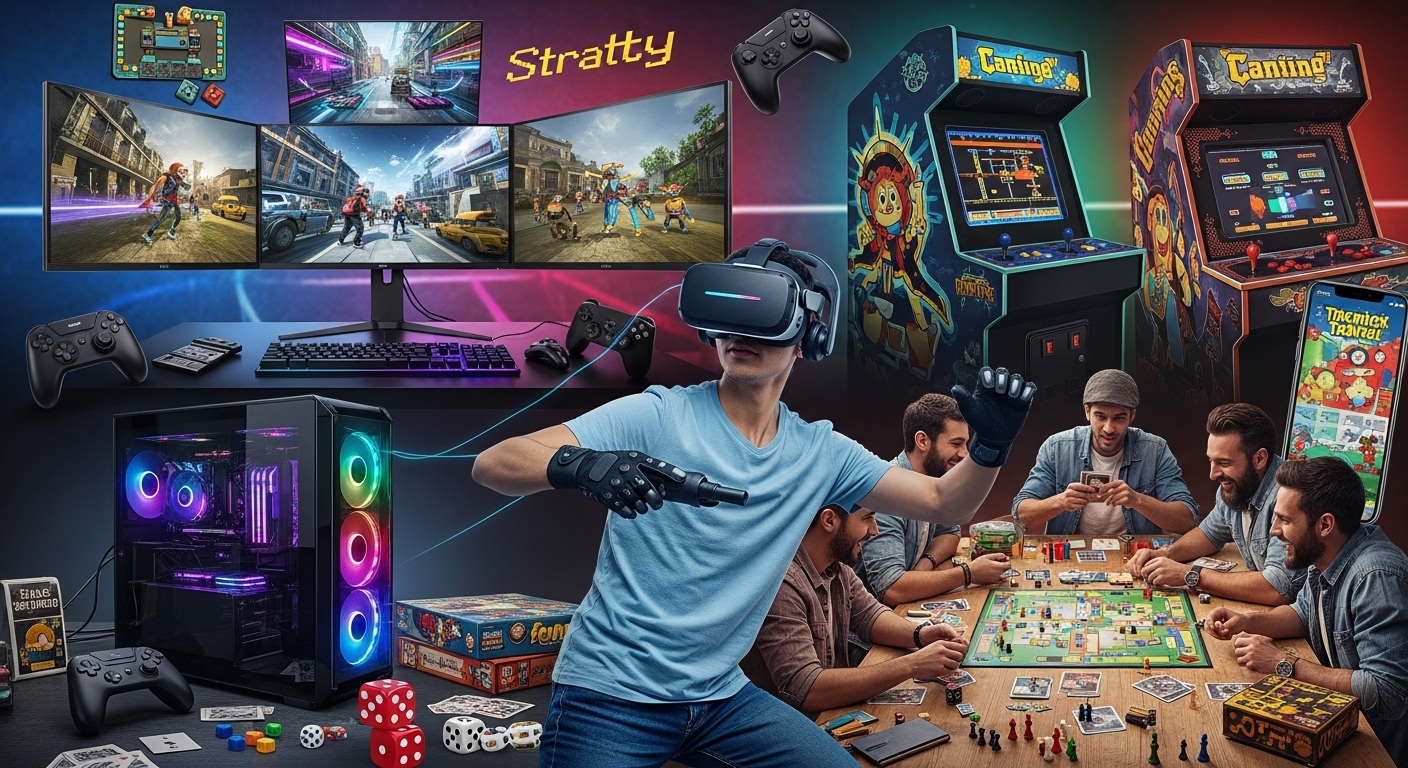
Technology is the heartbeat of modern gaming. Each innovation brings new possibilities. Advanced graphics processors create lifelike environments, while artificial intelligence makes in-game characters more realistic and responsive. Virtual reality allows players to step inside the game, experiencing it as if they are part of the world. Augmented reality, on the other hand, merges digital play with the real environment. Cloud gaming has made high-quality titles available without the need for expensive hardware. Every technological breakthrough expands the horizon of what games can be, turning imagination into reality.
Gaming and Social Change
Beyond entertainment, games are increasingly being used to inspire social awareness and change. Developers create titles that tackle important themes such as climate change, mental health, and equality. These games allow players to experience complex issues firsthand, fostering empathy and understanding. Through interactive storytelling, players can explore moral decisions and consequences in a way that books or films cannot replicate. In this sense, games have become not just a mirror of society but also a powerful tool for shaping it.
The Economic Power of the Gaming Industry
The global gaming industry has become one of the most profitable sectors in the world. It surpasses film and music combined in revenue, contributing significantly to economies worldwide. The success of this industry has created countless opportunities in design, programming, marketing, and media. Independent developers can now share their creations with the world through digital marketplaces, empowering small studios to compete with giants. This democratization of game development has led to a surge of creativity, as players and creators continue to push the boundaries of what gaming can achieve.
Inclusivity and Representation in Games
Modern gaming is more inclusive than ever. Developers are working to ensure that players from all backgrounds feel represented. Games now feature diverse characters, cultures, and stories, reflecting the variety of human experience. Accessibility has also become a priority, with features designed for people with disabilities, allowing everyone to enjoy the magic of play. This inclusivity strengthens gaming communities and reinforces the idea that games are for everyone, regardless of gender, age, or ability.
The Future of Games: Innovation Without Limits
The future of gaming promises even greater innovation. As technology continues to evolve, so too will the experiences games offer. Artificial intelligence may soon create personalized adventures tailored to each player’s emotions and decisions. Virtual reality will become more immersive, with tactile sensations and lifelike environments. Cloud gaming will eliminate barriers, allowing seamless access across devices. Even the boundary between reality and digital play will blur as games integrate with daily life, education, and social platforms. The only limit to the future of gaming is the imagination of those who create it.
Conclusion: The Eternal Magic of Play
Games are far more than entertainment—they are a reflection of the human spirit. They challenge our minds, nurture creativity, and connect us across continents. Whether it’s a child playing a board game, an adult exploring a virtual world, or a professional competing in an esports arena, the joy of play remains universal. Games continue to shape our world, teaching us patience, strategy, empathy, and resilience. As technology and creativity advance, the world of games will keep expanding, offering endless adventures for generations to come. The power of play is eternal, reminding us that in every stage of life, there is always room for imagination, challenge, and joy.