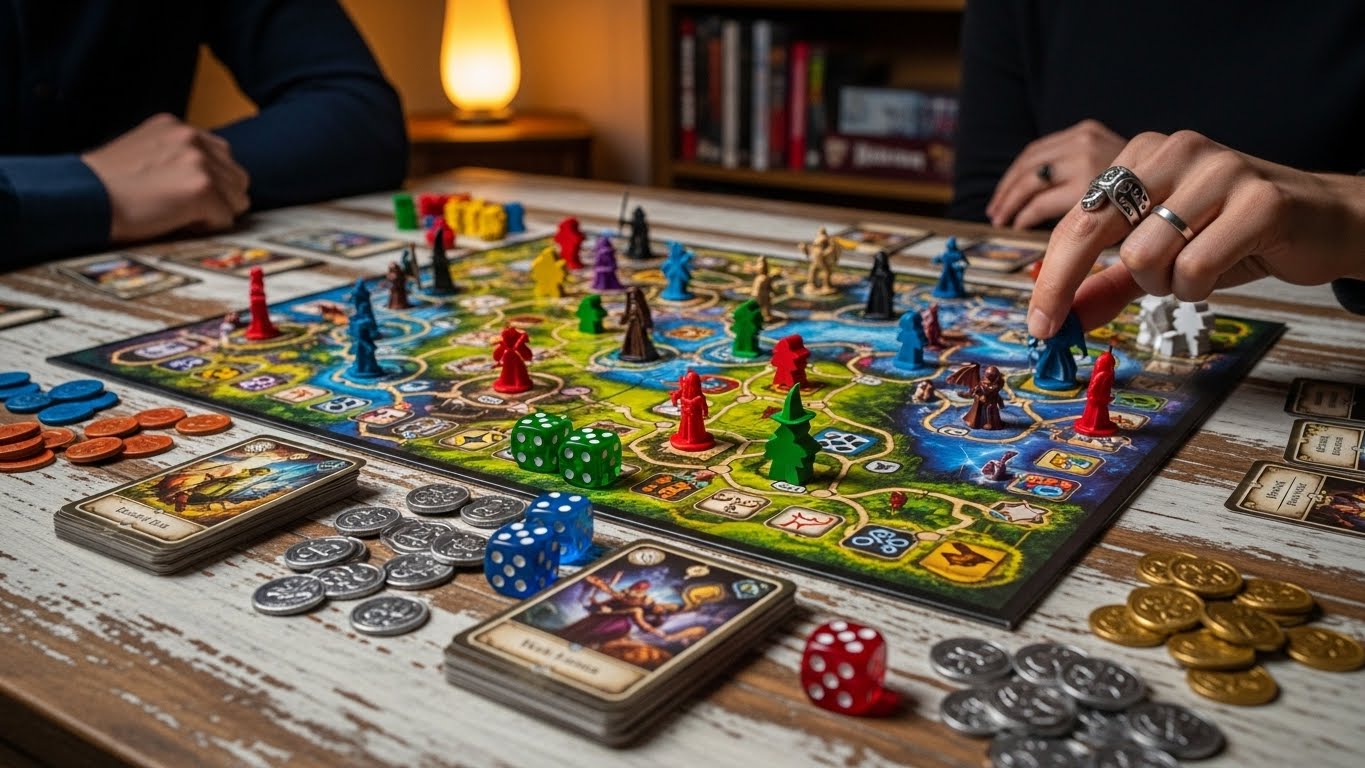


Video games have evolved from a simple form of entertainment to a complex, multifaceted medium that reaches millions worldwide. From childhood memories spent with a controller in hand to the rise of competitive gaming, video games have grown into a cultural phenomenon that shapes the way we connect, create, and experience stories. In this blog post, we will explore the journey of video games, their impact on culture, and how they have shaped the entertainment landscape as we know it.
The Early Days of Video Games: Simple Beginnings
The story of video games began with a few pixels on a screen, but those small beginnings would go on to change the world. In the late 1970s and early 1980s, arcade games like Pong, Space Invaders, and Pac-Man introduced millions to the world of interactive entertainment. These games were straightforward, offering a quick and addictive experience that players could easily grasp.
Pong, one of the first commercially successful video games, presented a simple concept of table tennis with two paddles. Despite its simplicity, it created a cultural shift, attracting people from all walks of life to arcades. These games may not have had the elaborate graphics or complex storylines we expect today, but they laid the groundwork for an industry that would continue to evolve and captivate players around the world.
The Rise of Home Consoles: Bringing Games to the Living Room
By the mid-1980s, video games were no longer confined to arcades. The launch of home consoles like the Nintendo Entertainment System (NES) and the Sega Genesis brought gaming directly into homes, allowing players to enjoy their favorite games on their own televisions. Titles such as Super Mario Bros., The Legend of Zelda, and Sonic the Hedgehog quickly became household names, and the gaming world expanded beyond arcade cabinets to an entirely new generation of gamers.
Super Mario Bros., in particular, revolutionized platform gaming, introducing players to the world of Mushroom Kingdom with its colorful environments and challenging yet accessible gameplay. The simple joy of jumping through levels and defeating enemies was a perfect introduction to gaming for many, and Mario quickly became an iconic character. This era marked the beginning of gaming as a mainstream entertainment medium, moving beyond niche circles and into the hearts of families everywhere.
The 3D Revolution: A Leap into New Worlds
The 1990s marked a dramatic shift in gaming with the introduction of 3D graphics. Consoles like the Sony PlayStation and Nintendo 64 pushed the boundaries of what video games could achieve, creating immersive worlds that players could explore in ways that were previously impossible.
Super Mario 64 became a landmark title in 3D gaming, providing players with the freedom to move Mario in all directions within a fully realized 3D environment. This open-world structure was revolutionary, allowing players to control the camera, navigate large environments, and interact with the game world like never before.
Alongside this, The Legend of Zelda: Ocarina of Time offered an expansive, story-driven adventure that captivated players with its detailed world, compelling characters, and deep gameplay mechanics. The 3D era allowed developers to create richer, more engaging experiences, turning video games into intricate works of art that rivaled other forms of entertainment like film and literature.
The Rise of Online Multiplayer: Connecting the World
As the internet became more widespread in the late 1990s and early 2000s, multiplayer gaming began to take off. Games like Halo 2, World of Warcraft, and Counter-Strike allowed players to connect with others around the world, creating new social spaces within digital environments.
Halo 2 helped popularize online first-person shooters, offering an immersive multiplayer experience that defined an entire generation of gamers. The game’s competitive modes, team-based gameplay, and online ranking systems turned it into a cultural sensation. Meanwhile, World of Warcraft ushered in the era of massively multiplayer online role-playing games (MMORPGs), allowing players to live out fantasy adventures with others in a persistent online world.
These games were more than just a way to kill time; they became spaces for people to form communities, build friendships, and even compete professionally. Online gaming opened up new opportunities for collaboration and competition, giving rise to the eSports industry and changing how people engage with games and each other.
Mobile and Indie Games: A New Frontier
In recent years, the rise of mobile gaming and indie game development has further expanded the world of gaming. Smartphones and tablets made games more accessible than ever, allowing people to play anywhere, anytime. Games like Angry Birds, Candy Crush, and Pokémon Go took the world by storm, proving that gaming doesn’t need to be confined to consoles or PCs.
At the same time, the indie game movement flourished, bringing creative, innovative experiences to a wide audience. Games like Undertale, Hollow Knight, and Celeste have proven that small, independent developers can make a huge impact with unique art styles, innovative gameplay mechanics, and emotionally resonant stories. These games have gained massive followings and helped redefine what it means to be a “successful” game in today’s market.
The indie gaming boom has also led to a resurgence of retro-inspired games, bringing back the nostalgia of 8-bit and 16-bit graphics while introducing modern twists and deeper gameplay experiences. Titles like Shovel Knight and Stardew Valley combine the best of old-school gaming with contemporary sensibilities, creating experiences that are both familiar and fresh.
The Cultural Impact: More Than Just Entertainment
Video games have long been more than just a source of entertainment; they have become a powerful cultural force. Games like The Last of Us, The Witcher 3, and Red Dead Redemption 2 have pushed the boundaries of storytelling, delivering emotional, narrative-driven experiences that rival the best films and novels. These games delve into complex themes like survival, loss, and morality, creating worlds where players are not just participants but active contributors to the story.
Beyond the narrative, video games have also influenced music, fashion, and even politics. Iconic soundtracks from games like Final Fantasy and Halo are instantly recognizable, and game-inspired fashion trends have made their way into mainstream clothing lines. In some cases, games have even played a role in raising awareness about social issues, with titles like This War of Mine and Papers, Please exploring themes of war, refugees, and human rights.
Moreover, gaming has become a platform for self-expression. Streamers and content creators on platforms like Twitch and YouTube have built careers by showcasing their gaming skills, creating communities, and influencing the broader gaming culture. Video games, once seen as a solitary activity, have evolved into a social experience that brings people together in ways traditional entertainment mediums never could.
The Future of Gaming: What’s Next?
The future of gaming is incredibly exciting, with new technologies on the horizon that promise to push the boundaries of what we thought possible. Virtual reality (VR) and augmented reality (AR) are already making waves, offering players immersive experiences that blend the digital and physical worlds. Games like Half-Life: Alyx and Beat Saber showcase the potential of VR, giving players the ability to move, interact, and experience game worlds in completely new ways.
Cloud gaming is also set to revolutionize the industry, allowing players to access their favorite games without the need for powerful hardware. Platforms like Google Stadia and Xbox Cloud Gaming are paving the way for gaming to become more accessible, enabling players to stream games on devices ranging from smartphones to low-end laptops.
Additionally, artificial intelligence (AI) is expected to play a more prominent role in future games. AI-driven characters and dynamic, reactive environments will create richer, more personalized experiences, allowing each player to have a unique journey through the game world.
Conclusion: Gaming’s Ongoing Legacy
Video games have come a long way since the days of simple arcade machines and pixelated screens. What started as a niche hobby has grown into a global cultural phenomenon that influences art, technology, and society. From immersive storytelling and intricate worlds to social experiences and competitive gaming, video games have proven that they are much more than just entertainment—they are a reflection of our creativity, our challenges, and our ability to connect with others.
As technology continues to advance and new generations of gamers take the stage, the future of gaming is full of limitless possibilities. Whether through new platforms, innovative gameplay, or groundbreaking storytelling, the world of gaming is just getting started, and it will continue to shape our entertainment landscape for years to come.